
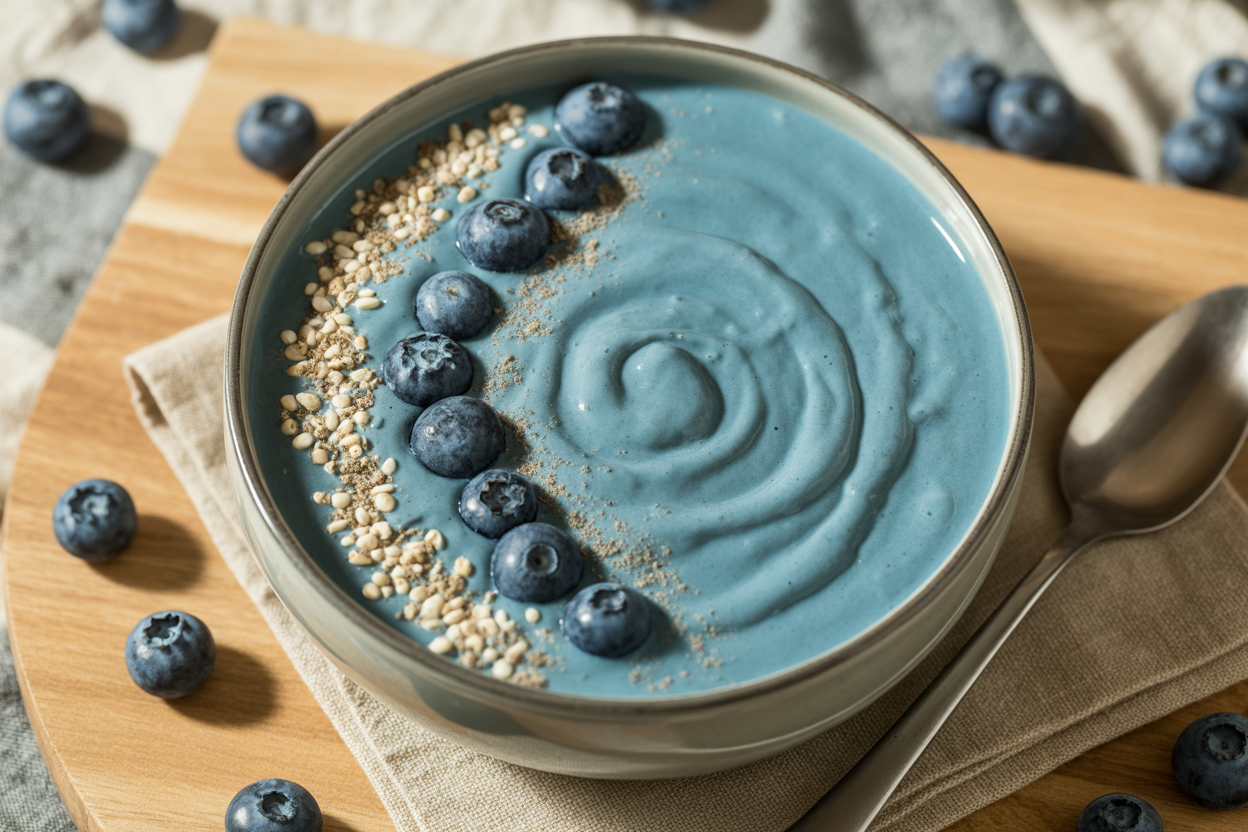
The brightest bowl on your feed doesn’t have to come from a bottle of neon dye. Meet the blue spirulina smoothie bowl: bold color, clean ingredients, and a vibe that says “I woke up like this” even if you, you know, didn’t. It’s simple, it’s fun, and it tastes like a beach vacation with benefits. Ready to blend something that looks like the sky and eats like dessert?
Why Blue Spirulina Wins the Breakfast Beauty Contest
Blue spirulina (aka phycocyanin) gives your bowl that electric sapphire hue without artificial colors. It comes from spirulina, a nutrient-dense algae loved by wellness nerds and smoothie lovers alike. No pond taste, no swamp vibes—just a mild flavor that lets your fruit do the talking.
Benefits worth bragging about:
- Antioxidant power: Phycocyanin helps fight oxidative stress—your skin and cells say thanks.
- Vegan-friendly protein: A tiny boost that supports a more satisfying bowl.
- Eye-catching color: The blue pops, especially with bright fruit and crunchy toppings.
FYI: Blue spirulina is not the same as regular green spirulina. The blue version isolates the pigment, so you get the color without the earthy flavor. IMO, that makes it the smoothie MVP.
The Blueprint: A Bowl That’s Bright but Natural
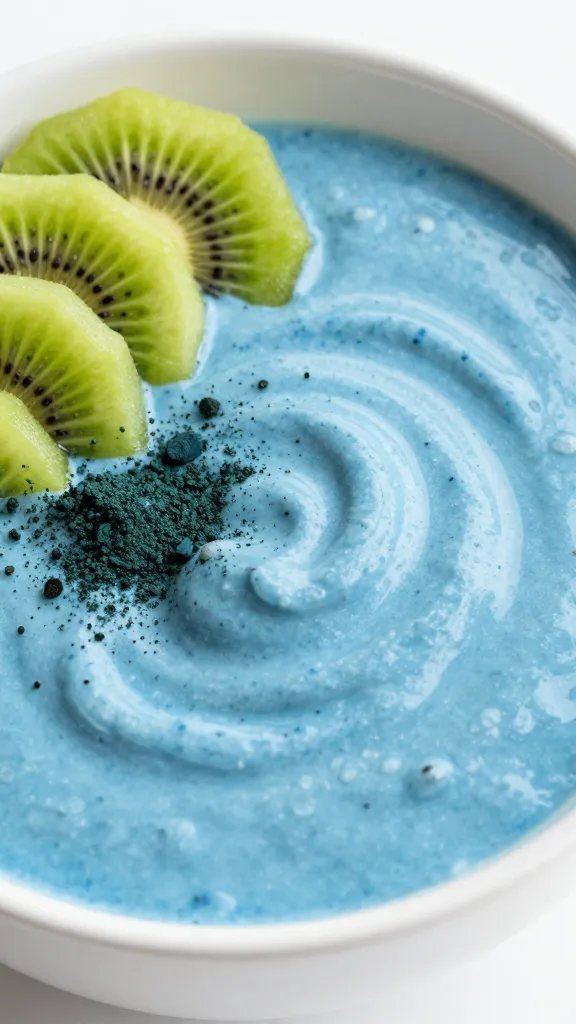
You want the sky-blue look without turning things gray. That means smart fruit choices and the right base. Think creamy whites and pale fruits that keep the color true.
Base rules for max blue:
- Skip dark berries in the blend. They’ll knock your blue into murky purple.
- Go creamy: Frozen banana, frozen mango, coconut yogurt, and light-colored plant milk work best.
- Texture matters: Use mostly frozen fruit for a thick, scoopable bowl.
My Go-To Blue Smoothie Bowl Recipe
Ingredients (1 large bowl or 2 small):
- 1 frozen banana, sliced
- 1 cup frozen mango or pineapple
- 1/2 cup coconut yogurt or Greek-style plant yogurt
- 1/3–1/2 cup unsweetened almond or coconut milk
- 1–2 teaspoons blue spirulina powder (start with 1 tsp and add more if needed)
- Optional: 1 tablespoon cashew butter for extra creaminess
- Optional: 1 teaspoon maple syrup or a soft date if you like it sweeter
Method:
- Add milk, yogurt, and nut butter to the blender first (so the blades catch).
- Layer in banana and mango. Blend on low, then increase speed.
- Sprinkle in blue spirulina and blend until the color looks even and bright.
- Adjust thickness with a splash more milk—just enough to keep it spoonable.
- Pour into a chilled bowl and top like you mean it.
Color Control: How to Nail That Perfect Blue
Let’s be honest—no one wants a bowl that looks like dishwater. Color chemistry matters, but don’t worry, we’ll keep it easy.
- Fruit choice: Yellow and white fruits keep the base light and vibrant. Save berries for toppings only.
- Acidity sweet spot: A squeeze of lemon can brighten flavor, but too much can dull the blue. Start tiny.
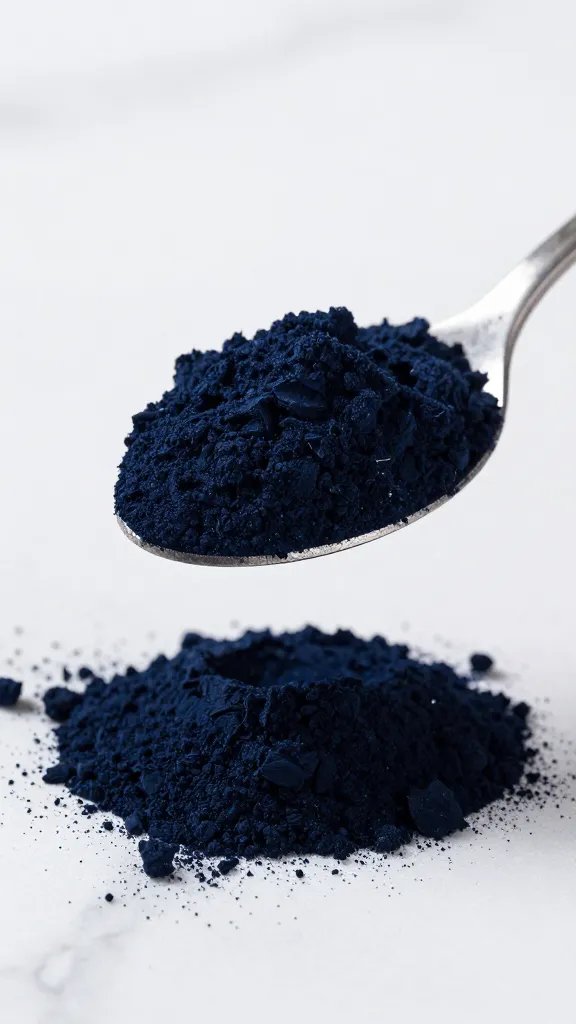
- Powder quality: Fresh, high-quality blue spirulina looks neon-sky. Old or low-grade powder turns faded or greenish.
- Add last: Blend your base first, then add spirulina and pulse. Overblending can sometimes mute the color.
What If Your Blue Looks Off?
- Too pale? Add another 1/2 teaspoon of spirulina and pulse.
- Too green? You probably used regular spirulina. Switch powders.
- Too gray? Dark fruit snuck in, or the powder’s old. Keep berries on top only.
Topping Combos That Make It Pop
The toppings sell the vibe. Texture and contrast turn a pretty bowl into a showstopper. Think bright fruit, creamy bits, and crunch.
Foolproof combos:
- Tropical sunrise: Kiwi slices, pineapple chunks, coconut flakes, and hemp seeds.
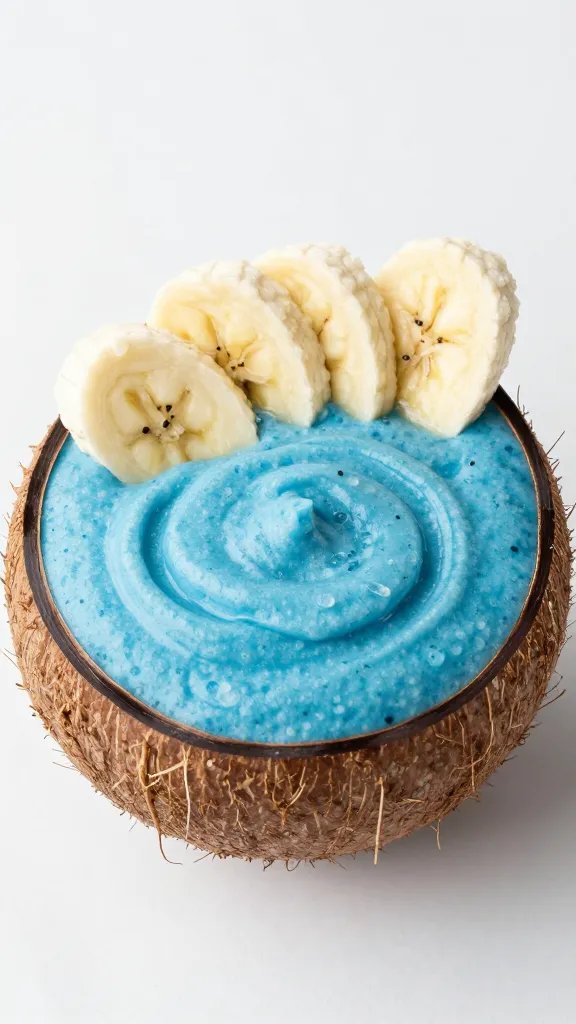
- Blue lagoon: Dragon fruit cubes (white-flesh), banana coins, chia seeds, and lime zest.
- Creamy crunch: Granola, cacao nibs, sliced almonds, and a drizzle of honey or date syrup.
- Glow-up special: Fresh mango roses (if you’re extra), toasted coconut, and passion fruit pulp.
Pro Tips for Texture
- Chill your bowl in the freezer for 10 minutes so the smoothie stays thick.
- Use a tamper or stop-and-scrape method to keep things creamy without adding too much liquid.
- Blend, then rest 1 minute before pouring. Air bubbles settle and the color looks smoother.
Ingredient Swaps and Add-Ins
Want more protein or fiber? You can level up without ruining the color or taste.
Easy add-ins:
- Plant protein powder: Use vanilla or unflavored. Add 1 scoop and a tad more milk.
- Fiber boosters: 1 tablespoon chia or ground flax. Blend well or sprinkle on top.
- Micronutrient extras: A small handful of spinach won’t wreck the color if you keep spirulina higher, but go light.
- Healthy fats: Avocado blends creamy with minimal color impact—use 1/4 of a small one.
Allergy-Friendly Tweaks
- Dairy-free: Use coconut or almond yogurt and plant milk.
- Nut-free: Swap almond milk for oat or coconut milk and use sunflower butter.
- Low sugar: Use less banana, more avocado, and skip added sweeteners.
Shopping Smarts: Choosing a Good Blue Spirulina
Not all blue spirulina powders blend equally. Pricey doesn’t always mean better, but quality shows up in the color and taste.
What to look for:
- Ingredients list: 100% phycocyanin or blue spirulina. No fillers, no sweeteners.
- Color: Bright electric blue powder equals fresh. Dull or greenish means skip.
- Packaging: Opaque, airtight bags or jars protect from light and moisture.
- Lab testing: Brands that share purity and heavy metal testing get a gold star, IMO.
Storage
- Keep it cool and dry—pantry or fridge works.
- Close tightly after every use. Moisture ruins texture and color fast.
- Use within 6–12 months for the best hue and potency.
Make It a Habit Without Getting Bored
You don’t need a new recipe every day—just rotate flavors. Keep the base blue, but switch the accents and toppings so it feels fresh.
Weekly rotation ideas:
- Lemon-coconut: Add lemon zest to the blend and top with toasted coconut.
- Mint-mango: Blend a few mint leaves and top with chopped mango and cacao nibs.
- Ginger-pineapple: Add 1/2 teaspoon grated ginger to the base and top with pineapple and hemp hearts.
- Vanilla cream: Use vanilla yogurt, add vanilla extract, and top with banana and granola.
FAQ
Does blue spirulina taste like algae?
Nope. Blue spirulina has a much milder flavor than regular spirulina. In a fruity smoothie base, you won’t notice it at all—especially with banana or mango.
Can I use regular green spirulina instead?
You can, but you’ll get a green bowl and a more earthy taste. Blue spirulina isolates the phycocyanin pigment, which gives the vibrant color with a neutral flavor. If color matters, go blue.
Is blue spirulina safe for kids?
Generally, yes, as part of a balanced diet. It’s a natural pigment from algae, not a synthetic dye. If your child has specific health conditions or allergies, check with a pediatrician first. Start with a small amount—1/2 teaspoon goes a long way.
How much blue spirulina should I use?
Start with 1 teaspoon for a light sky-blue. For that “wow” shade, go up to 2 teaspoons. More than that won’t improve the flavor—just your pigment budget.
Will citrus mess up the color?
A little lemon brightens the taste and keeps the flavor zippy. Too much acid can dull the blue toward gray. Keep it subtle—zest is safer than juice.
Can I meal prep these bowls?
You can blend and freeze in airtight containers, then thaw slightly before eating. The texture softens, but it still tastes great. For best results, prep smoothie packs (fruit + spirulina in a bag) and blend fresh in the morning.
Conclusion
You can absolutely have a jaw-dropping, naturally blue smoothie bowl without weird dyes or complicated steps. Keep your base pale, your spirulina fresh, and your toppings bold. Then grab a spoon and enjoy the edible ocean in a bowl—breakfast just got a serious glow-up, FYI.
Leave a Reply