Best Smoothie for Energy Without Coffee
Need energy, but don’t want to ride the coffee roller coaster again? Fair. If caffeine makes you jittery, crashes your mood by noon, or turns your stomach into a drama queen, a smart smoothie can do the job without the chaos. The trick is building one that gives you steady energy, not a quick sugar spike followed by regret.
What actually makes a smoothie energizing?
A lot of “energy smoothies” are basically dessert in a blender. They taste great for five minutes, then your brain starts buffering by 10 a.m. If you want real stamina, you need a mix of complex carbs, protein, healthy fats, and hydration.
Complex carbs give your body fuel it can use gradually. Protein helps keep you full and supports stable blood sugar. Healthy fats slow digestion in a good way, which means your energy doesn’t vanish like your motivation on a Monday morning.
Hydration matters too. Sometimes “I need coffee” is really “I forgot to drink water and now I feel like a raisin.”
The best smoothie for energy without coffee
If I had to pick one smoothie that works for most people, it would be this:
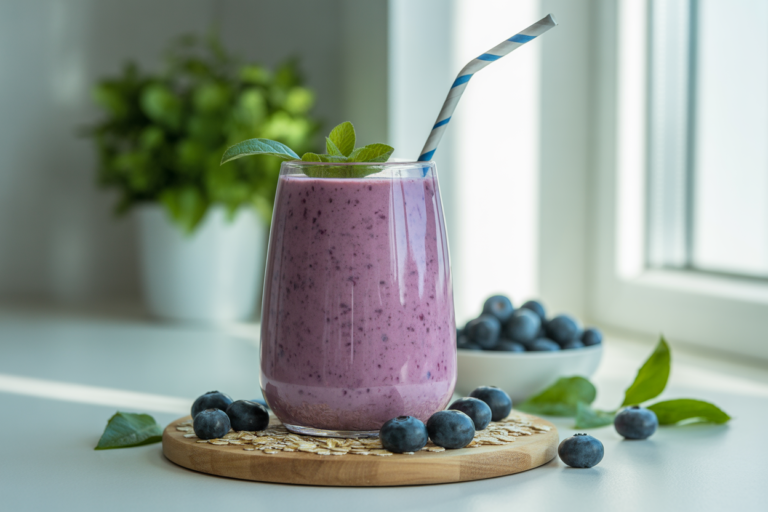
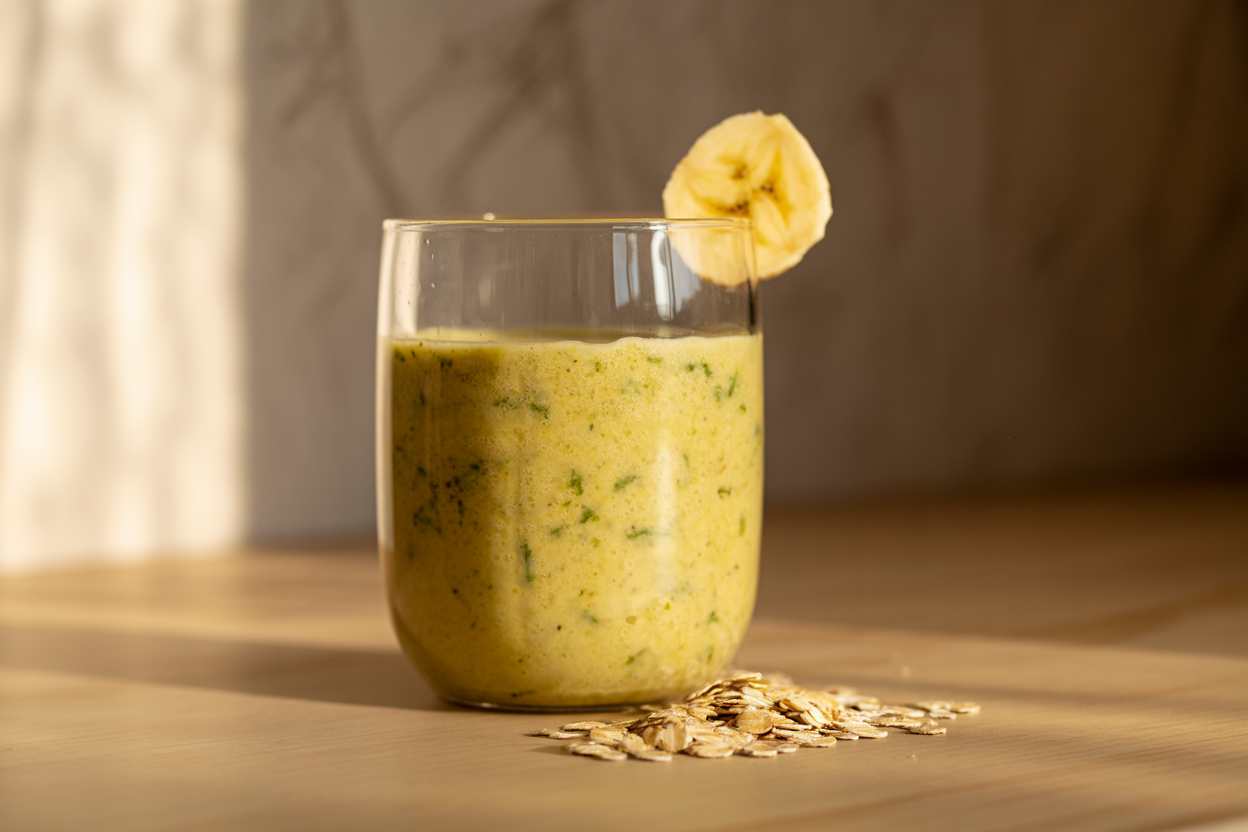
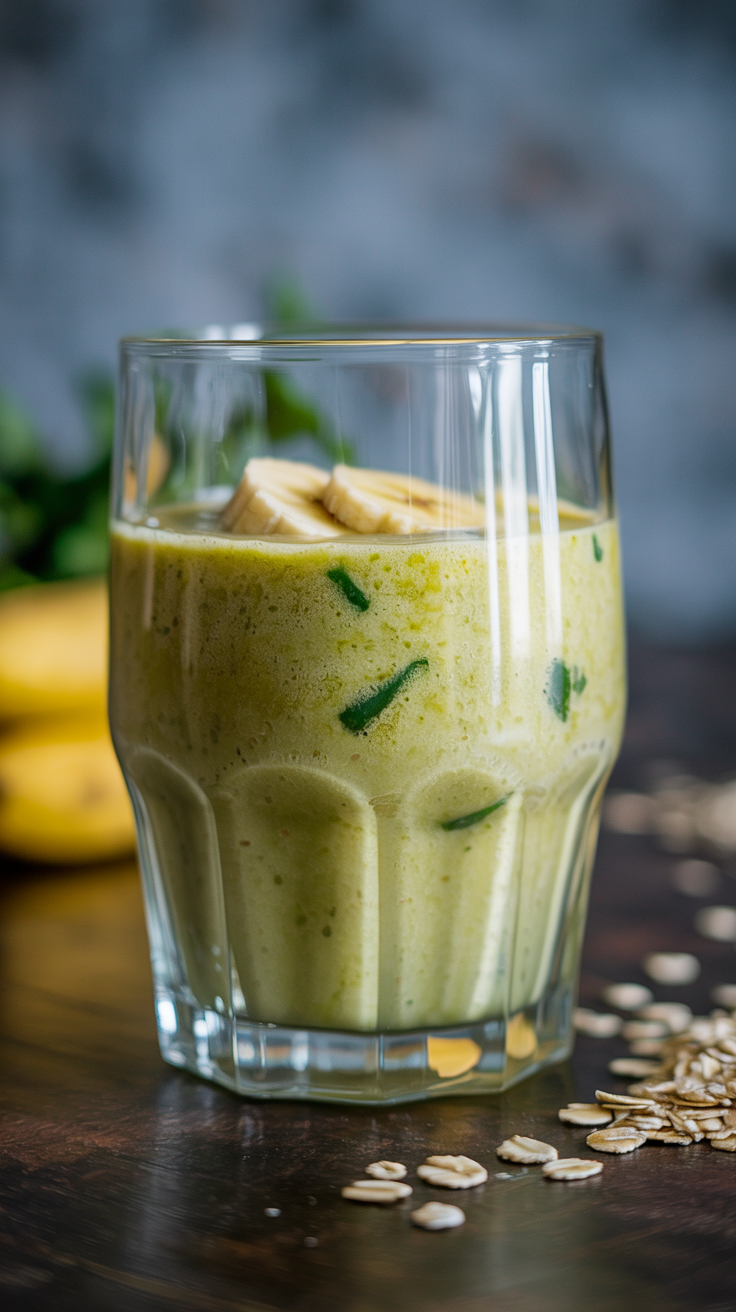
Banana Oat Energy Smoothie
Ingredients:
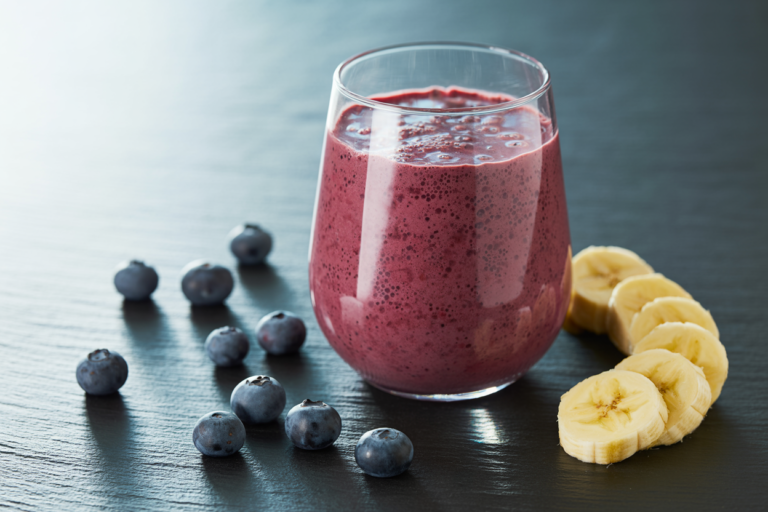
- 1 banana
- 1/2 cup rolled oats
- 1 tablespoon almond butter or peanut butter
- 3/4 cup Greek yogurt
- 1 cup milk or unsweetened almond milk
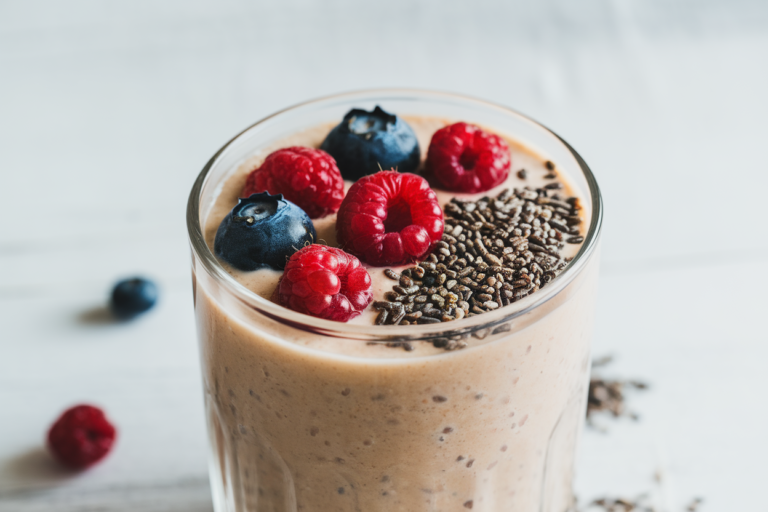
- 1 tablespoon chia seeds
- 1/2 teaspoon cinnamon
- A small handful of spinach
- 3 to 4 ice cubes
- Optional: 1 teaspoon honey if you want it sweeter
Why this one wins:
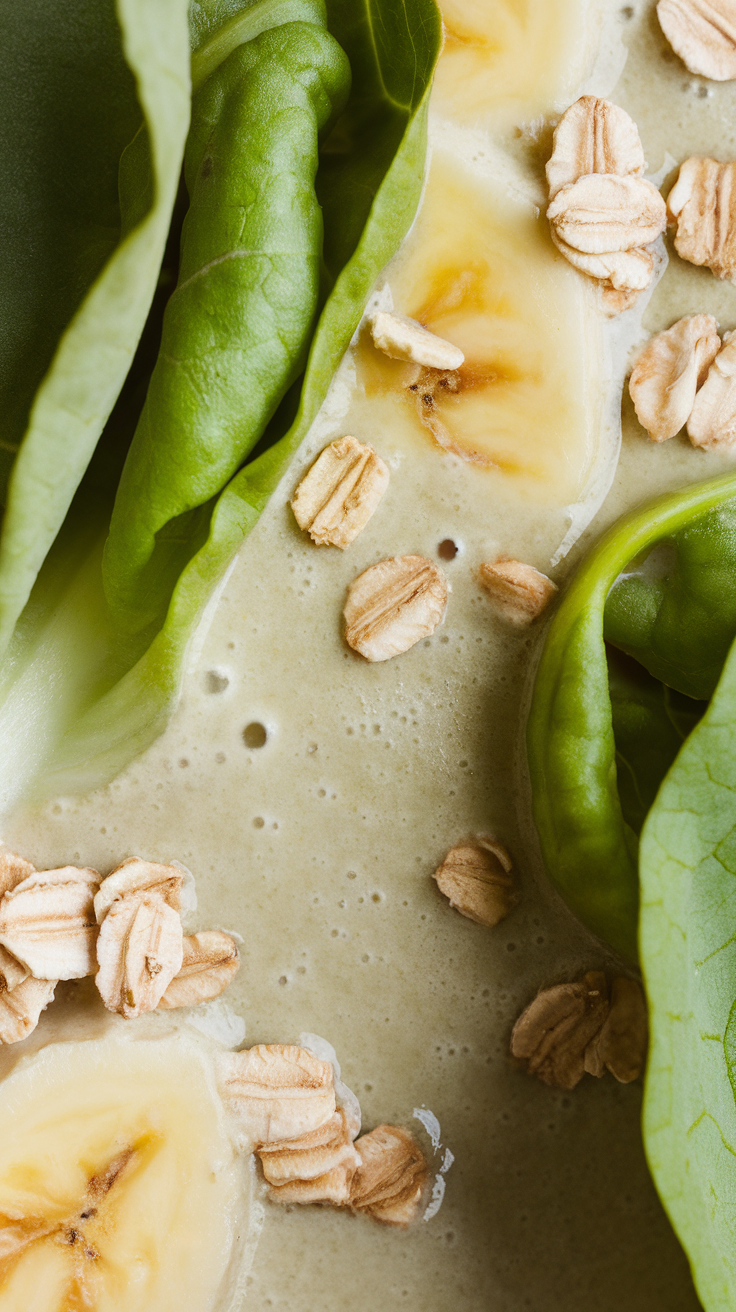
The banana gives you quick, usable carbs plus potassium. Oats bring slower-burning carbs and fiber, which is exactly what you want if you’re trying to stay awake without caffeine doing all the heavy lifting. Greek yogurt adds protein, and the nut butter plus chia seeds deliver healthy fats that help the smoothie stick with you.
Spinach is the quiet overachiever here. You won’t taste much of it, but it adds iron, folate, and other nutrients that support energy production. Cinnamon adds flavor and may help with blood sugar balance, which is never a bad thing.
Blend it all until smooth. Drink it in the morning or about 30 to 60 minutes before you need a mental or physical boost.
Why this works better than a sugary smoothie
A smoothie loaded with fruit juice, sweetened yogurt, and frozen mango sounds healthy-ish, but it can hit your system like liquid candy. You get a burst of energy, sure, but it doesn’t last. Then you’re hungry again, slightly annoyed, and somehow still tired.
This banana oat combo hits differently. It gives you fast fuel and slow fuel together, which is what makes it so reliable. IMO, that’s the sweet spot for anyone who wants to function like a person without clutching a coffee mug for survival.
Easy ways to customize it
Not everyone wants the same kind of energy. Some people need workout fuel. Others just need enough brainpower to reply to emails without staring into the void. Luckily, this smoothie is easy to tweak.
For longer-lasting fullness
Add another tablespoon of nut butter or a little extra chia. This works well if you’re drinking it as breakfast and won’t eat again for a few hours.
For a lighter version
Use less yogurt and skip the honey. You’ll still get good energy, just with a slightly lighter feel.
For post-workout recovery
Add a scoop of vanilla protein powder. That gives your muscles more support and makes the smoothie even more satisfying.
For extra greens
Toss in kale instead of spinach if that’s your thing. Personally, spinach blends more smoothly and tastes less like you’re chewing on a garden, but you do you.
Ingredients that help energy naturally
If you like experimenting, there are a few ingredients worth keeping in rotation.
Oats
They’re cheap, filling, and honestly underrated. Oats give slow-release carbs, which means your energy has a chance to act like an adult.
Bananas
Easy to digest and naturally sweet. They’re especially helpful if you need a quick lift but don’t want to rely on caffeine.
Greek yogurt
Protein matters more than people think in a smoothie. Without it, your drink can go from “energizing” to “snack that betrayed me” pretty fast.
Chia seeds
Tiny, but weirdly powerful. They add fiber, omega-3 fats, and help keep you full.
Nut butter
This adds richness, flavor, and staying power. Also, peanut butter makes almost everything taste more like a treat, which is a solid life strategy.
Spinach
It blends easily and adds nutrients without hijacking the flavor. That’s a rare kind of teamwork.
A few mistakes to avoid
One big mistake? Using too much fruit and no protein or fat. That’s basically a sugar rush in activewear.
Another one is making your smoothie too small. If it’s supposed to replace breakfast, it needs enough substance to actually do that. A few berries and almond milk are not a meal, FYI.
Also, watch the add-ins. Sweetened protein powders, flavored yogurts, and sugary granola can sneak in more sugar than you realize.
FAQ
What is the best smoothie ingredient for natural energy?
Oats are one of the best because they provide slow-burning carbs and help stabilize energy. Bananas and Greek yogurt are also excellent for a balanced boost.
Can a smoothie really replace coffee?
For a lot of people, yes. If your tiredness comes from low blood sugar, dehydration, or not eating enough, a balanced smoothie can help more than coffee.
Should I drink an energy smoothie in the morning or later?
Morning is great, especially if you usually skip breakfast. But it also works well as a pre-workout snack or mid-afternoon pick-me-up.
Will this smoothie keep me full?
Usually, yes. The mix of oats, protein, fat, and fiber makes it much more filling than a fruit-only smoothie.
Can I make it ahead of time?
Yes, but it tastes best fresh. If you need to prep ahead, blend it the night before and store it in the fridge. Give it a good shake before drinking.
Conclusion
If you want energy without coffee, go for a smoothie that actually has some structure. The best option isn’t the sweetest or trendiest one—it’s the one with balanced ingredients that fuel you steadily. A banana oat energy smoothie does exactly that, without the jitters, the crash, or the emotional dependency on caffeine.