
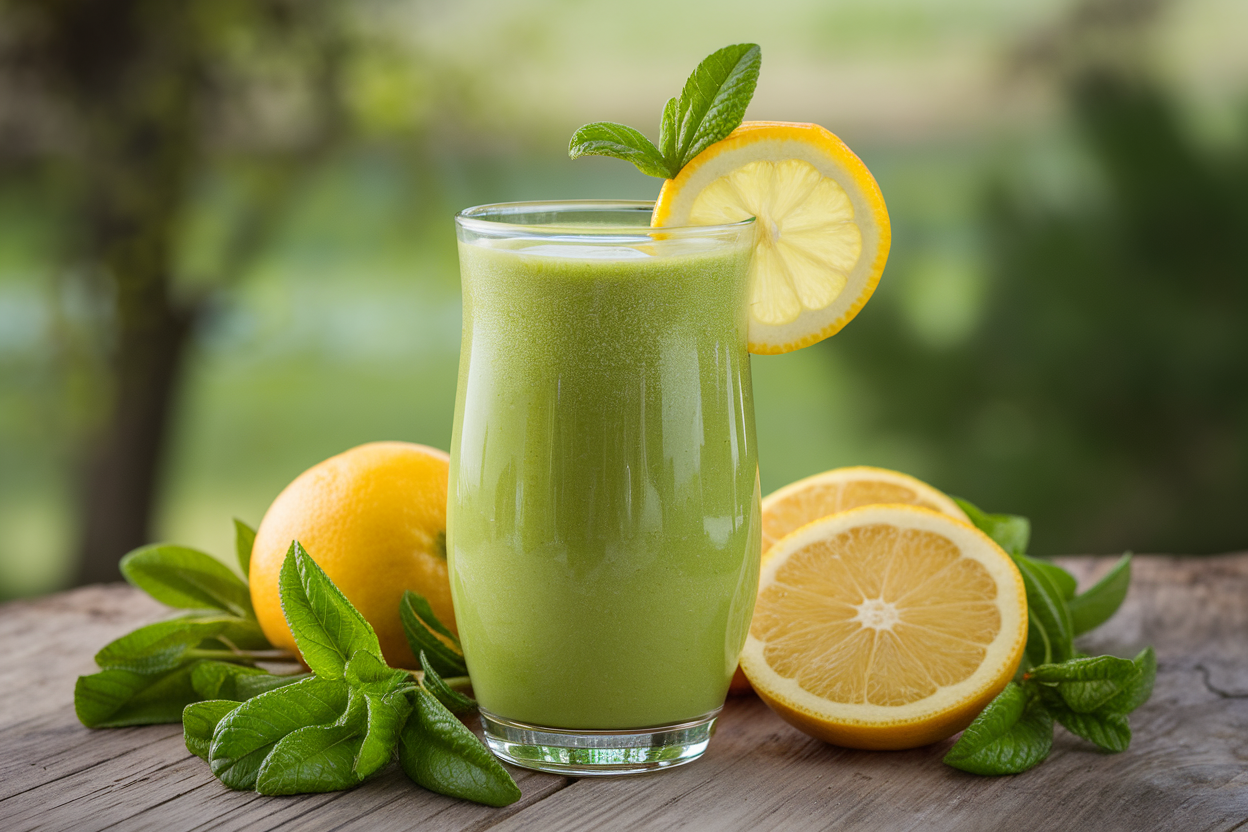
Green smoothies have a PR problem. The name alone makes some people picture a blender full of lawn clippings and regret. But a sweet green smoothie? That’s a completely different story—fresh, fruity, creamy, and way more friendly than it sounds.
If you’ve ever wanted to eat more greens without feeling like you’re chewing on a houseplant, this is your move. It’s the kind of drink that lets you sneak spinach into breakfast and still feel like you’re having a treat.
Why a sweet green smoothie works so well
The trick is simple: fruit does the heavy lifting.
A good sweet green smoothie doesn’t taste “green” in the aggressive, health-store-sample way people fear. It tastes like banana, pineapple, mango, apple, or whatever sweet fruit you use first. The greens hang out in the background, adding color, nutrients, and a tiny bit of freshness without hijacking the whole vibe.
That’s why these smoothies are such a solid gateway for people who swear they don’t like leafy greens. Spinach especially is basically the quiet introvert of the smoothie world. It blends in, doesn’t start drama, and lets the fruit take the spotlight.
The basic formula that keeps it delicious
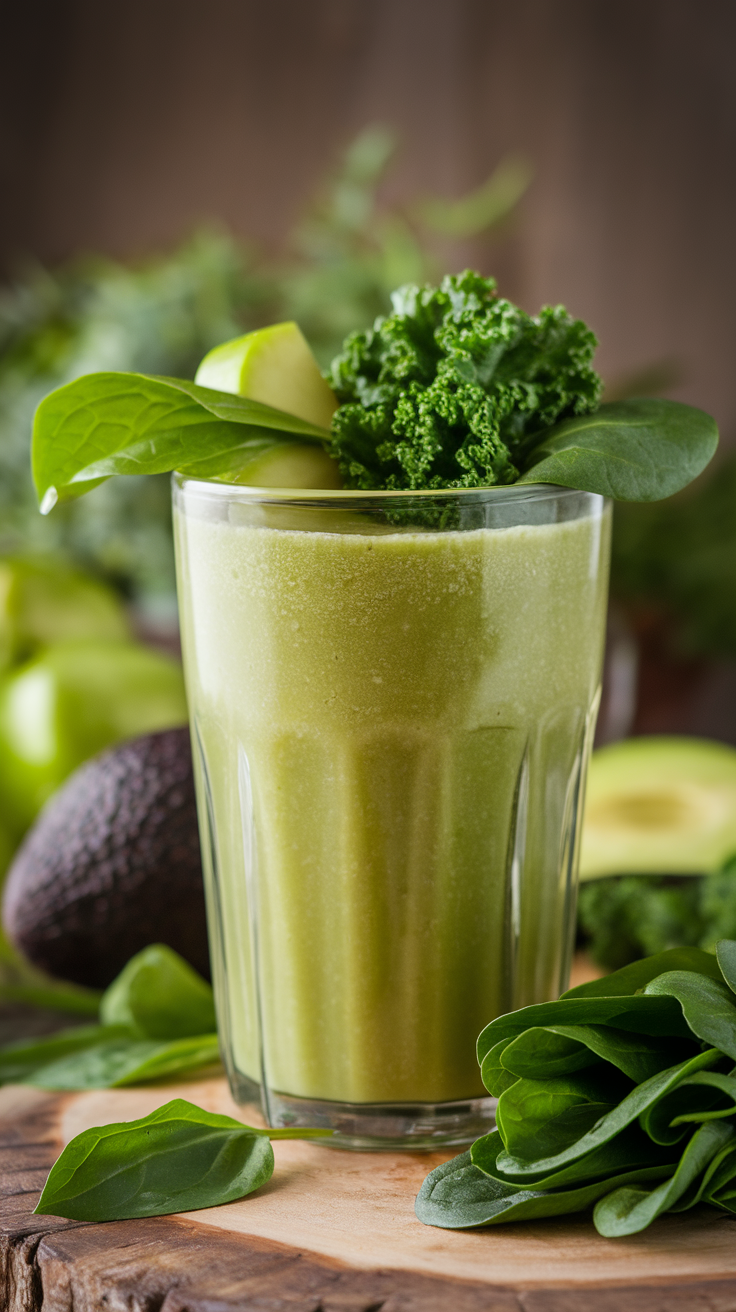
You really don’t need a complicated recipe with 14 “superfoods” and a powder that costs more than your lunch. IMO, the best green smoothies are simple.
Here’s the easy formula:
- 1 to 2 cups greens – baby spinach is the safest bet
- 1 to 2 cups sweet fruit – banana, mango, pineapple, peaches, or apple
- 1 liquid base – water, almond milk, oat milk, coconut water, or regular milk
- Something creamy, if you want – yogurt, avocado, or extra banana
- Optional add-ins – chia seeds, flax, honey, ginger, protein powder
That’s it. You’re not building a spaceship. You’re making breakfast.
The friendliest ingredients to start with
If you want a sweet green smoothie that tastes good right away, start with ingredients that are hard to mess up.
Spinach
Spinach is the MVP here. It has a mild flavor, blends easily, and turns your smoothie a cheerful green without making it taste like a salad. Kale can work too, but kale has opinions. If you’re new to this, spinach is kinder.
Banana
Banana makes everything smoother, sweeter, and more filling. It also covers a lot of green flavor. Frozen banana is especially good because it gives that thick, milkshake-like texture that makes the whole thing feel less “healthy obligation” and more “yes, I’d drink this again.”
Pineapple or mango
These fruits bring bright sweetness and a tropical flavor that plays really well with greens. Pineapple is especially useful because it’s bold enough to distract your taste buds from any leaf-related anxiety.
Apple or pear
If you want a lighter smoothie, apple or pear can add natural sweetness without making it too heavy. They’re great paired with spinach and a squeeze of lemon.
A go-to combo that almost always works
If you just want one reliable version, try this:
- 1 packed cup baby spinach
- 1 frozen banana
- 1/2 cup frozen mango
- 1/2 cup frozen pineapple
- 3/4 to 1 cup almond milk
- 1 spoonful of Greek yogurt, optional
Blend until smooth. Add more liquid if it’s too thick, or more frozen fruit if it’s too thin.
This one tastes fruity first, creamy second, and “green” barely at all. Which, let’s be honest, is exactly the point.
How to make it taste better, not just healthier
A lot of bad smoothies happen because people get ambitious. Suddenly they’re adding kale, celery, cucumber, parsley, protein powder, turmeric, and emotional suffering. Keep it chill.
A few things make a big difference:
- Use frozen fruit for a colder, thicker smoothie
- Blend the greens with liquid first if your blender is dramatic
- Add citrus like lemon or orange for brightness
- Don’t overload the greens at the beginning
- Taste before adding weird extras
Sweetness matters too. If your smoothie tastes flat, a date, a drizzle of honey, or extra ripe banana can fix it fast. FYI, there is no prize for making your smoothie taste like punishment.
Easy ways to switch it up
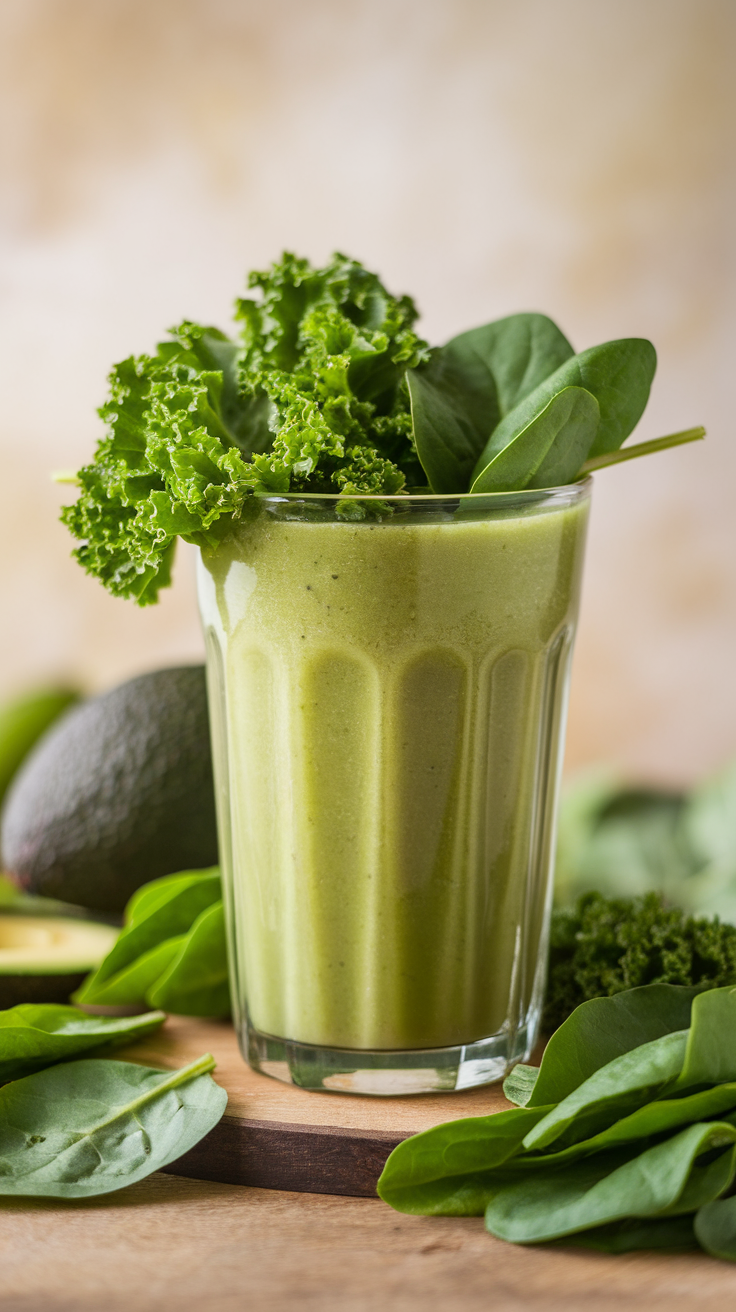
Once you’ve got the basic idea down, you can start playing around.
Try a banana-peach-spinach version if you like softer, mellow flavors. Go for pineapple-mango-coconut water-spinach if you want something tropical and refreshing. Want it dessert-ish? Blend banana, cocoa powder, spinach, milk, and peanut butter. Sounds suspicious, tastes great.
You can even make it more filling by adding oats, nut butter, or protein powder. At that point, it moves from “cute little smoothie” to “actually kept me full until lunch,” which is always nice.
When to drink one
Honestly, whenever.
They’re great for breakfast when you want something quick but not sad. They also work as an afternoon snack, a post-workout drink, or a “I should probably eat something green today” backup plan. If the alternative is skipping produce entirely, the smoothie wins.
FAQ
Do green smoothies actually taste good?
Yes—if you build them right. Use mild greens like spinach and pair them with sweet fruit. The fruit should lead, and the greens should support, not stage a takeover.
What’s the best green for beginners?
Spinach, hands down. It’s mild, easy to blend, and doesn’t bully the flavor of everything else.
Can I make one without banana?
Absolutely. Mango, peaches, pear, avocado, or yogurt can all add creaminess without banana. You may need a little extra sweetness depending on the fruit.
Is a sweet green smoothie still healthy if it has a lot of fruit?
Usually, yes. Whole fruit brings fiber, vitamins, and natural sweetness. Unless you’re pouring in a gallon of juice and calling it balance, you’re probably doing fine.
Can I make it ahead of time?
You can, but it’s best fresh. If you need to prep ahead, store it in the fridge in a sealed jar and drink it within 24 hours. A quick shake or stir helps because separation happens—it’s not glamorous, but it’s normal.
Do I need a fancy blender?
No, though a strong blender helps. If yours struggles, blend the liquid and greens first, then add softer ingredients, then frozen fruit last.
Conclusion
A sweet green smoothie is one of the easiest ways to make greens feel less intimidating and a lot more enjoyable. It doesn’t need to taste earthy, complicated, or like you’ve given up on joy. Keep it fruity, keep it simple, and let the spinach mind its business.
Leave a Reply