
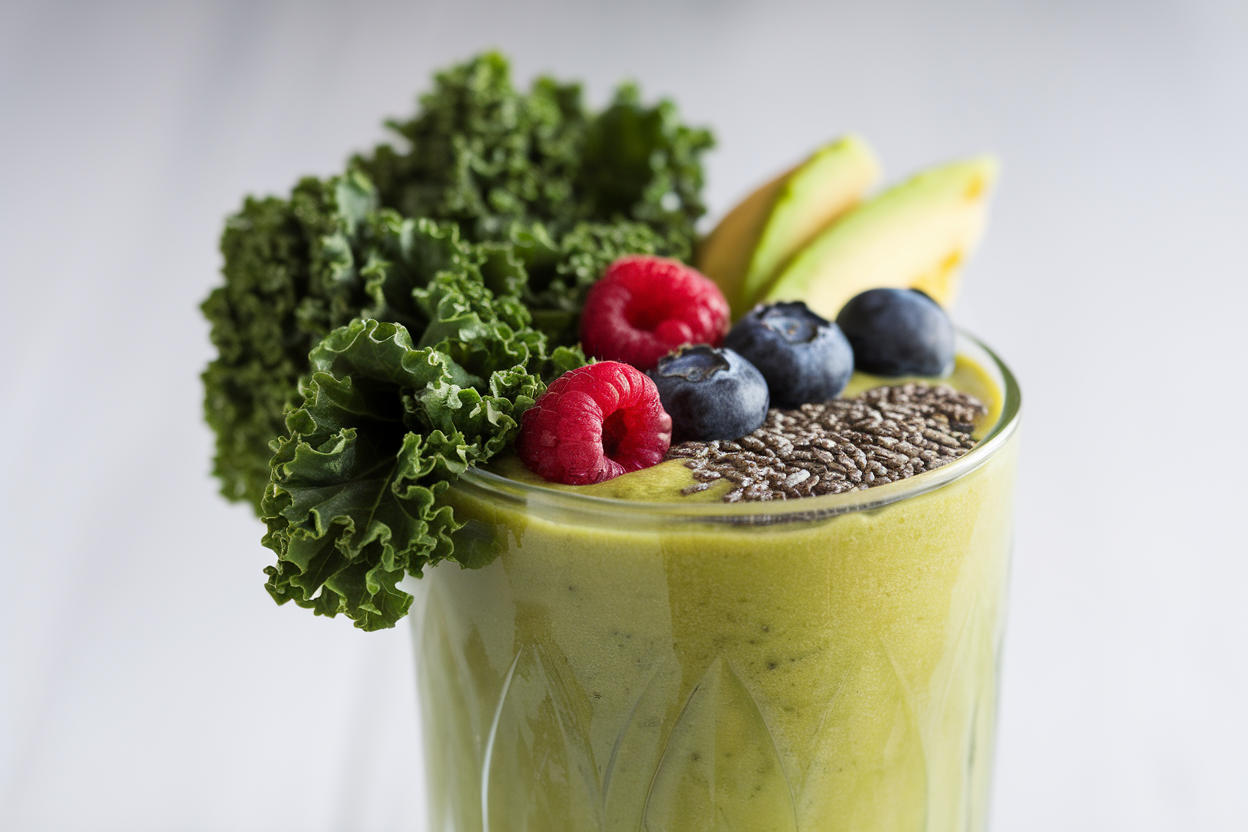
You don’t hate smoothies. You hate bad green smoothies—the grassy, swampy ones that taste like someone blended a lawn clipping with regret. Fair enough.
If you usually avoid anything emerald-colored in a glass, this is the green smoothie for you. It’s sweet, creamy, refreshing, and most importantly, it does not taste like you’re trying to impress a yoga instructor.
The green smoothie for people who don’t like green smoothies
Here’s the formula that works ridiculously well:
The actual smoothie
- 1 frozen banana
- 1 cup frozen mango
- 1/2 cup pineapple
- 1 small handful baby spinach
- 3/4 to 1 cup unsweetened almond milk
- 1/2 cup Greek yogurt
- 1 tablespoon peanut butter or almond butter
- 1 teaspoon honey or maple syrup, optional
- A few ice cubes, if you want it extra cold
Blend until smooth. That’s it. No chia lecture. No wheatgrass trauma. No “detox” nonsense.
This combo works because the fruit does the heavy lifting. Banana makes it creamy, mango brings that tropical sweetness, pineapple adds brightness, and spinach quietly minds its business in the background.
Why this one actually tastes good
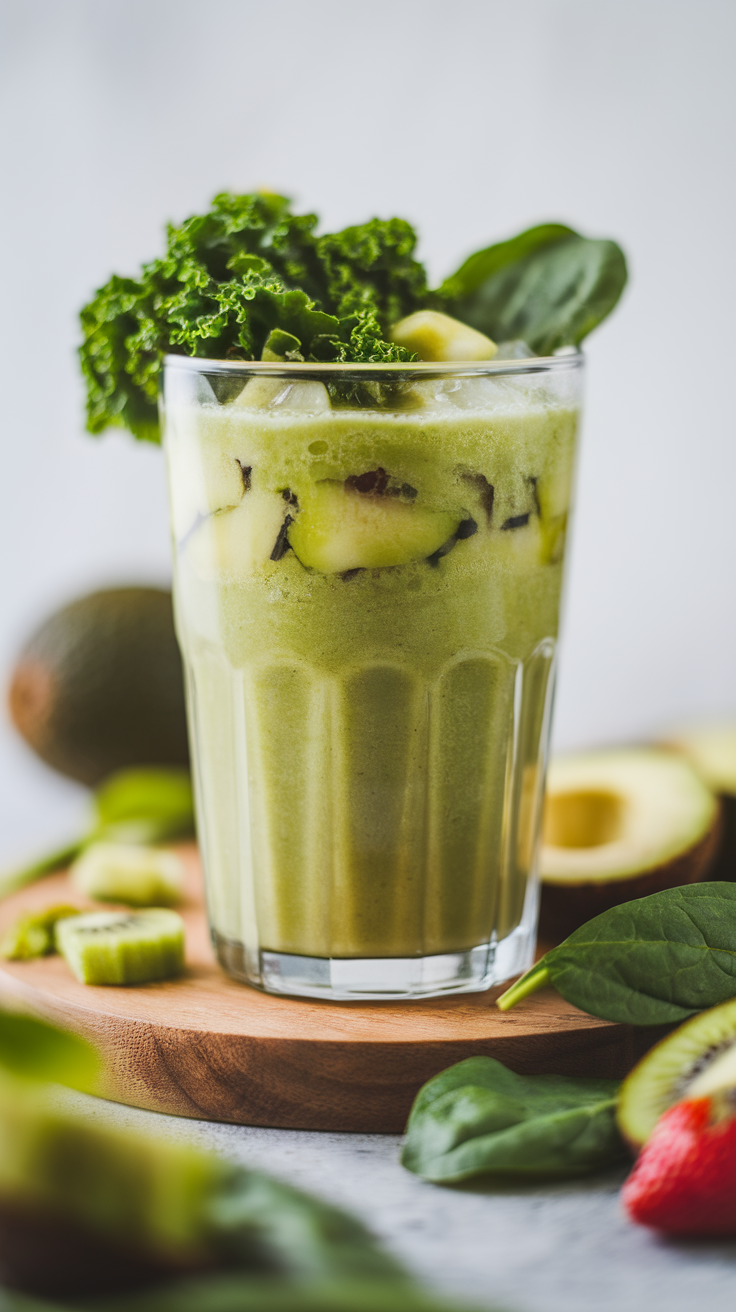
A lot of green smoothies fail because they try too hard to be healthy. They pile in kale, celery, cucumber, parsley, and whatever else is hanging around the produce drawer, then act shocked when it tastes like edible punishment.
This recipe avoids that mistake. It uses spinach, which is the least dramatic green in the smoothie world. Spinach blends smoothly and barely adds flavor, especially when paired with sweet fruit.
The yogurt and nut butter also help a lot. They round everything out so the smoothie tastes rich and satisfying instead of thin and weird. IMO, texture matters almost as much as flavor. If a smoothie feels like cold salad soup, nobody wins.
The secret rules for a non-gross green smoothie
If you’ve been burned before, these rules will save you.
1. Start with spinach, not kale
Kale has a stronger, earthier taste. Some people love that. Some people also enjoy black coffee with no sugar and 5 a.m. workouts. You do you.
If you’re green-smoothie skeptical, go with baby spinach first. It’s mild, soft, and much easier to hide behind fruit.
2. Use frozen fruit
Frozen banana and mango create that thick, milkshake-like texture people actually want. Fresh fruit can work, but frozen fruit makes the smoothie colder, creamier, and less “blended produce cup.”
3. Keep the greens portion small
You do not need three giant handfuls of spinach on day one. This is not a trust exercise.
Start with one small handful. Once you realize you can’t really taste it, you can add a little more next time if you want.
4. Add fat or protein
A little Greek yogurt, peanut butter, or almond butter makes the smoothie taste more substantial. It also helps balance the fruit so you don’t feel hungry 20 minutes later and start rage-snacking crackers.
5. Don’t skip sweetness if it needs it
If your fruit isn’t super ripe, add a little honey or maple syrup. There’s no prize for drinking a smoothie you don’t enjoy. FYI, the “healthy” version only works if you’ll actually make it again.
Easy swaps if you want to tweak it
One nice thing about this smoothie is that it’s flexible without becoming a science project.
Want it dairy-free? Use coconut yogurt or skip the yogurt and add more banana. Want more protein? Toss in a scoop of vanilla protein powder. Don’t like pineapple? Use more mango or a few strawberries instead. Want it thinner? Add more almond milk. Want it thicker? Use less liquid or more frozen fruit.
I’d avoid orange juice unless you really know what you’re doing. It can overpower everything fast and turn your nice creamy smoothie into acidic fruit chaos.
How to make it taste even less “green”
If you’re still suspicious, I respect that. Here are a few extra tricks.
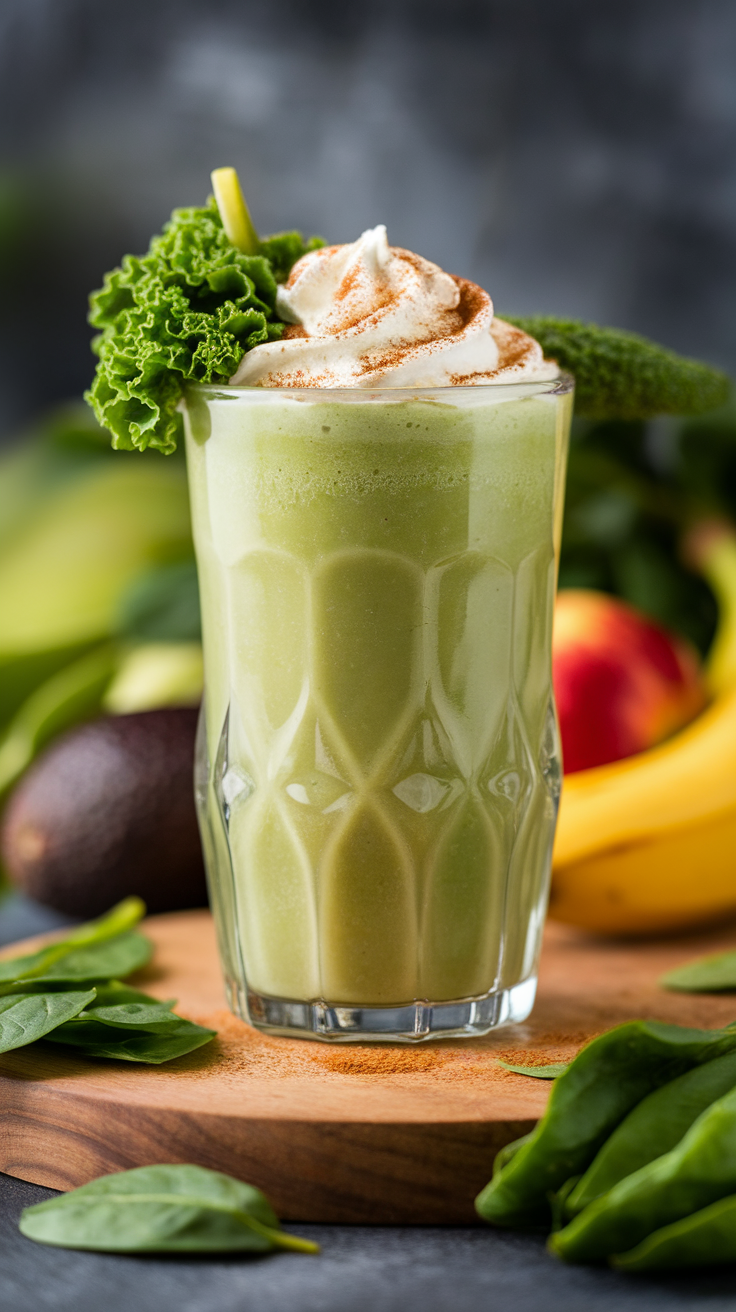
Add a tiny splash of vanilla extract. It makes the smoothie taste more dessert-like and less virtuous. Cinnamon can also help, especially if you use banana and peanut butter.
You can also serve it very cold. Cold smoothies mute flavors a bit, which is great when you’re trying to sneak greens past your own taste buds like a parent hiding vegetables in pasta sauce.
And use a decent blender if possible. Nobody wants random spinach confetti floating around. Texture can ruin an otherwise good smoothie faster than bad flavor.
When to drink it
This smoothie works best as a quick breakfast, post-workout snack, or lazy lunch add-on. It’s filling enough to keep you going without knocking you out.
If you’re replacing breakfast with it, keep the yogurt or nut butter in there. A fruit-only smoothie tastes nice for about eight minutes, then you’re staring into the pantry like it betrayed you.
FAQ
Is spinach really the best green for beginners?
Yes, absolutely. It has a mild flavor and blends easily. If you usually avoid green smoothies, spinach is your safest starting point by a mile.
Can I make this ahead of time?
You can, but it’s best fresh. If you need to prep ahead, blend it the night before and keep it in the fridge in a sealed jar. Shake it well before drinking because smoothies love to separate and get moody.
Will I actually taste the spinach?
Probably not, as long as you keep the amount modest and use sweet fruit. The mango, banana, and pineapple do a great job covering it up.
Can I use water instead of almond milk?
You can, but the smoothie will taste less creamy and a little flatter. Almond milk gives it a smoother texture without making it heavy.
What if I don’t like banana?
Use avocado for creaminess or more mango plus a little yogurt. Banana helps a lot with sweetness and texture, though, so if you only kind of dislike it, this may be the time to tolerate it.
Conclusion
If green smoothies usually make you feel like you’re chewing on a houseplant, start here. This version is fruity, creamy, and easy to like—even for people who usually run from anything green with a straw.
It’s not trying to be the healthiest smoothie ever made. It’s trying to be the one you’ll actually drink, which, honestly, is the whole point.
Leave a Reply