
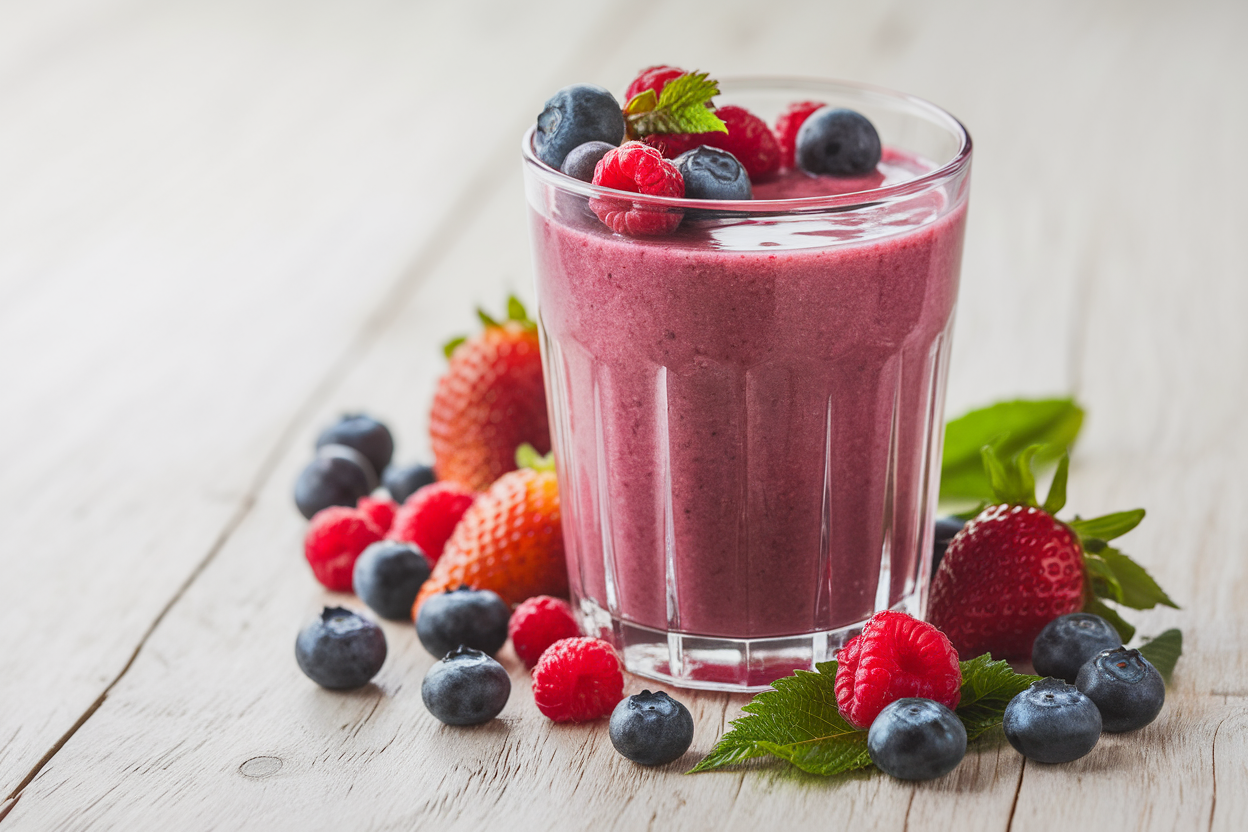
You know that ridiculously good berry smoothie from the café that somehow tastes brighter, creamier, and more expensive than anything you make at home? Yeah, this is how you get that vibe without leaving your kitchen or paying seven bucks for a cup of blended fruit. A fresh berry smoothie can absolutely taste like something you’d order out—you just need a few smart moves. And no, “throw random frozen fruit in a blender and hope for the best” is not one of them.
What makes a smoothie taste café-level?
The difference usually comes down to balance. A great smoothie isn’t just sweet fruit and ice crashing into each other. It has a creamy base, enough brightness to wake everything up, and a texture that feels smooth instead of weirdly foamy.
Most smoothie shop drinks also use a mix of berries, not just one. Strawberries bring sweetness, blueberries add depth, and raspberries or blackberries give that slightly tangy, “wow, this tastes fancy” note. It’s basically teamwork, but edible.
And then there’s the little stuff people forget. A pinch of salt? Game changer. A squeeze of lemon? Suddenly the whole thing tastes fresher. Tiny details, dramatic results.
The berry combo that actually works
If you want a smoothie that tastes layered instead of flat, use at least two or three berries. My favorite mix is strawberries, blueberries, and raspberries. It hits sweet, tart, and juicy without tasting like melted jam.
Fresh berries are fantastic when they’re in season and actually taste like something. If your berries are sad, pale, or suspiciously expensive, use frozen for part of the mix. Honestly, frozen berries are often the better move because they’re picked ripe and they make the smoothie colder and thicker.
A good starting point is:
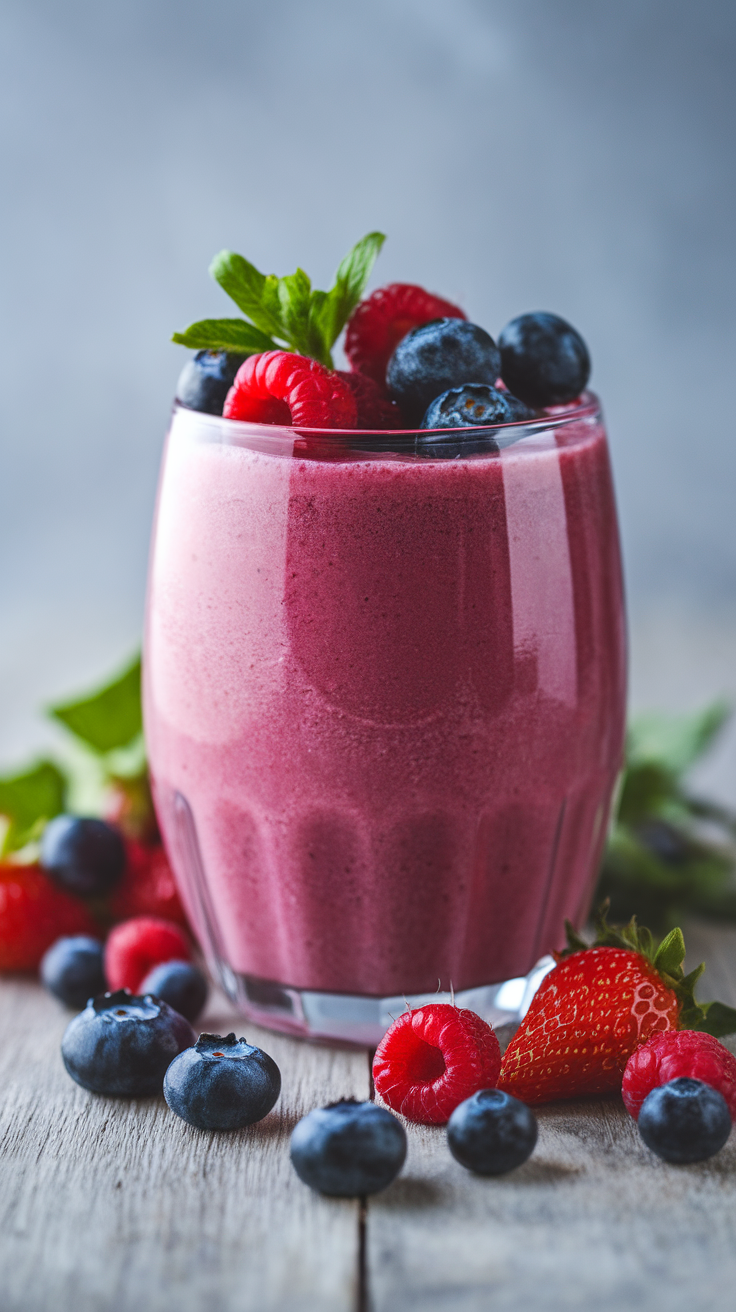
- 1 cup strawberries
- 1/2 cup blueberries
- 1/2 cup raspberries
- 1 frozen banana
- 3/4 cup Greek yogurt
- 1/2 to 3/4 cup milk of choice
- 1 teaspoon honey or maple syrup, if needed
- 1 teaspoon lemon juice
That blend gives you sweetness, body, and just enough tang to feel special.
The secret to that creamy texture
Let’s be honest: texture can make or break a smoothie. If it’s thin and icy, it feels homemade in the least flattering way possible. If it’s thick, silky, and spoonable-but-still-sippable, now we’re talking.
The easiest way to get there is with a frozen banana and Greek yogurt. The banana adds natural sweetness and body, while the yogurt brings creaminess and a subtle tartness that works really well with berries. It’s the kind of combo that makes people think you know what you’re doing.
If you don’t want banana, try avocado or a few tablespoons of oats. Avocado gives a rich texture without shouting “I am avocado.” Oats make the smoothie thicker and more filling, which is nice if you want breakfast and not just a fruity beverage that leaves you hungry 20 minutes later.
Flavor boosters that make it taste “ordered out”
This is where the magic happens. Not fake magic, just the kind that makes people ask, “Wait, what did you put in this?”
Try one or two of these:
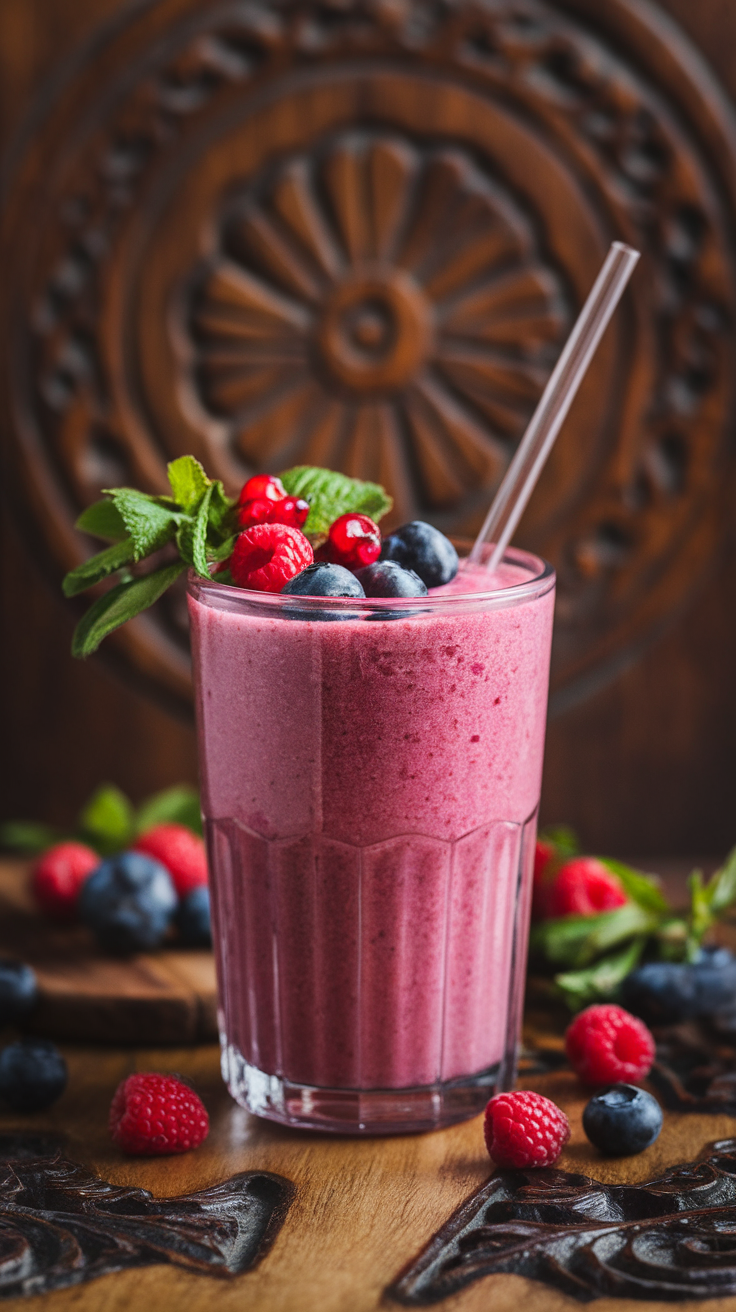
- A squeeze of lemon juice for brightness
- A tiny pinch of salt to sharpen the berry flavor
- A splash of vanilla extract for dessert-shop energy
- A spoonful of honey if your berries are tart
- A few mint leaves for a fresh finish
The key is restraint. You want the berries to stay the star, not get buried under ten “healthy add-ins” that make the smoothie taste like a wellness seminar.
IMO, vanilla is especially underrated here. It softens the tart edges and makes the smoothie taste rounder, almost like it came with a logo on the cup.
How to blend it so it comes out smooth, not tragic
Start with the liquid first. Always. Then add yogurt, soft ingredients, and fruit on top. This helps the blender actually do its job instead of sounding like it’s fighting for its life.
Blend on low for a few seconds, then increase to high. If it’s too thick, add a splash more milk. If it’s too thin, toss in more frozen fruit or a few ice cubes—but go easy with the ice, because too much turns your smoothie into a cold disappointment.
And if your blender leaves behind berry seeds? Strain it if you want the ultra-smooth café feel. Is it extra? Yes. Is it worth it sometimes? Also yes.
Easy ways to make it your own
Once you’ve got the base down, it’s easy to customize. Want more protein? Add a scoop of vanilla protein powder. Want it dairy-free? Use coconut yogurt and almond milk. Want it sweeter? A Medjool date works surprisingly well.
You can also lean more tropical with mango, or more indulgent with a little almond butter. Just don’t add everything at once unless your goal is “mystery smoothie.” FYI, not every ingredient needs to join the party.
FAQ
Can I use only fresh berries?
Absolutely. Fresh berries work great if they’re ripe and flavorful. If the smoothie isn’t cold or thick enough, add frozen banana or a handful of ice.
Why does my berry smoothie taste bland?
It usually needs one of three things: sweetness, acidity, or salt. Try a little honey, a squeeze of lemon, or a tiny pinch of salt and taste again.
What’s the best liquid to use?
Milk gives the creamiest result, but almond milk, oat milk, and even coconut water can work. If you want a richer, café-style smoothie, regular milk or oat milk tends to do the trick.
How do I make it thicker?
Use frozen fruit, especially banana, and cut back on the liquid. Greek yogurt also helps a lot, and so do oats if you don’t mind a slightly heartier texture.
Can I make it ahead of time?
You can, but smoothies are best right after blending. If you need to prep ahead, freeze the fruit in smoothie packs and blend when you’re ready.
A smoothie worth making on purpose
A fresh berry smoothie doesn’t need to be complicated to taste like something from your favorite café. You just need a smart berry mix, a creamy base, and a couple of flavor boosters that wake everything up. Once you nail that, you’ll start making smoothies that feel a little fancy, a lot delicious, and honestly better than half the overpriced ones out there.
Leave a Reply