
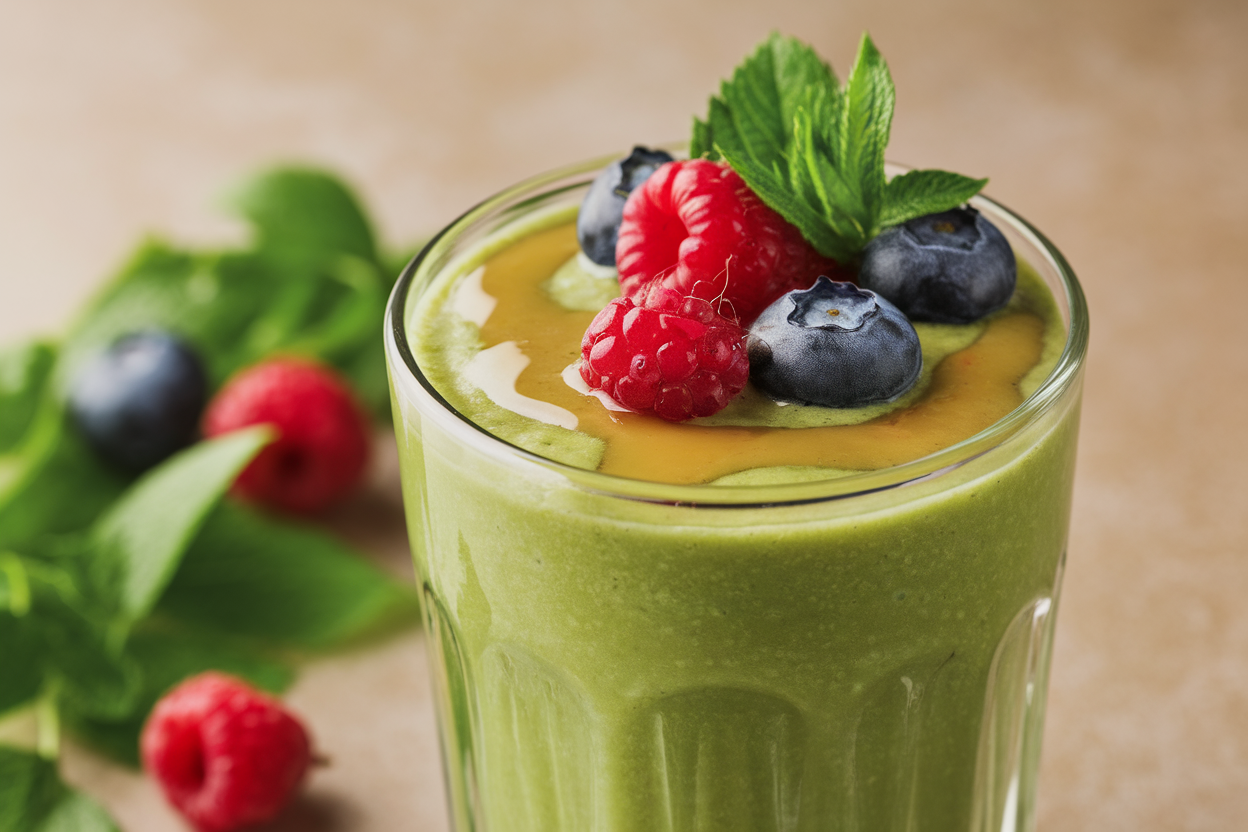
Clean eating gets a bad reputation for being all rules, no fun. But a good smoothie? That should feel like a reset button, not a punishment in a glass. If your idea of “healthy” has started to taste like blended kale regret, we need to fix that immediately.
The best clean eating smoothie is refreshing, satisfying, and easy enough to make when your brain is still buffering in the morning. It should wake you up, not make you feel like you’ve signed up for a wellness boot camp.
What “clean eating” actually means here
Let’s keep this simple. A clean eating smoothie is mostly about using real, minimally processed ingredients that still taste good. Think fruit, greens, yogurt, seeds, herbs, and liquids you can actually recognize without a chemistry degree.
It does not mean you have to ban bananas, fear carbs, or pretend cauliflower in a smoothie is always a good idea. Sometimes it works. Sometimes it tastes like you’re drinking chilled mashed potatoes. We move on.
The goal is balance. You want something naturally sweet, hydrating, and filling enough to hold you over without turning your blender into a supplement graveyard.
The secret: refreshing beats “super healthy” every time
Here’s where a lot of smoothies go wrong. People try to cram in every trendy ingredient they own, and suddenly the whole thing tastes muddy, thick, and weirdly exhausting. A refreshing smoothie keeps it light.
That usually means leaning into water-rich fruits like pineapple, berries, citrus, mango, or cucumber. It also helps to use a base that feels clean and bright, like coconut water, cold green tea, plain kefir, or just cold water with lemon.
Texture matters too. If your smoothie feels like spoonable wallpaper paste, it’s not refreshing. Frozen fruit gives it chill and body, but don’t overdo the heavy stuff like nut butters, oats, or half an avocado unless you want it more meal-like.
The easiest formula for a clean smoothie that actually tastes good
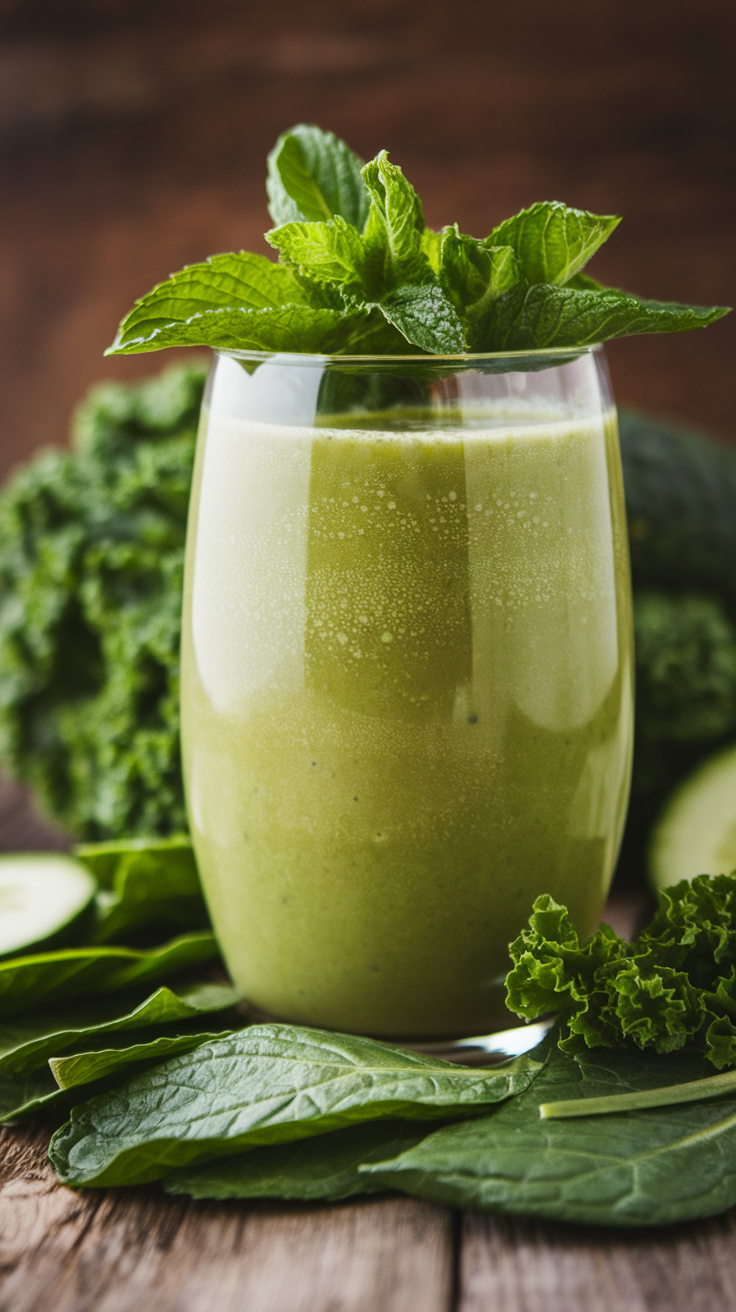
You do not need a complicated recipe. IMO, the best smoothies follow a simple mix-and-match formula:
- 1 to 2 cups fruit: frozen mango, berries, pineapple, peach, banana
- 1 handful greens or fresh herbs: spinach, romaine, mint, basil
- 1 protein or creamy element: Greek yogurt, kefir, silken tofu, chia seeds
- 1 liquid: coconut water, almond milk, cold water, green tea
- Optional flavor boost: lemon juice, ginger, cinnamon, vanilla
That’s it. Start there and adjust based on what you like. If it tastes flat, add citrus. If it tastes too tart, add a little banana or mango. If it’s too thick, more liquid. This is not high-stakes blender engineering.
A smoothie combo that nails the “refreshing, not restrictive” vibe
If you want one place to start, make this:
Pineapple Mint Green Smoothie
What you need:
- 1 cup frozen pineapple
- 1/2 frozen banana
- 1 big handful spinach
- 1/2 cucumber, peeled if you want
- 1/2 cup plain Greek yogurt
- 3/4 to 1 cup coconut water
- Juice of 1/2 lime
- A few fresh mint leaves
- Ice, if needed
How to make it: Blend everything until smooth. Taste it. Add more lime for extra brightness or more coconut water if it needs loosening up.
Why it works: pineapple and lime bring the zing, cucumber keeps it cool, and mint makes it taste fancy with almost no effort. The yogurt adds creaminess and protein, so you’re not hungry again 20 minutes later, staring into the pantry like it personally betrayed you.
Ingredients that help, not hijack
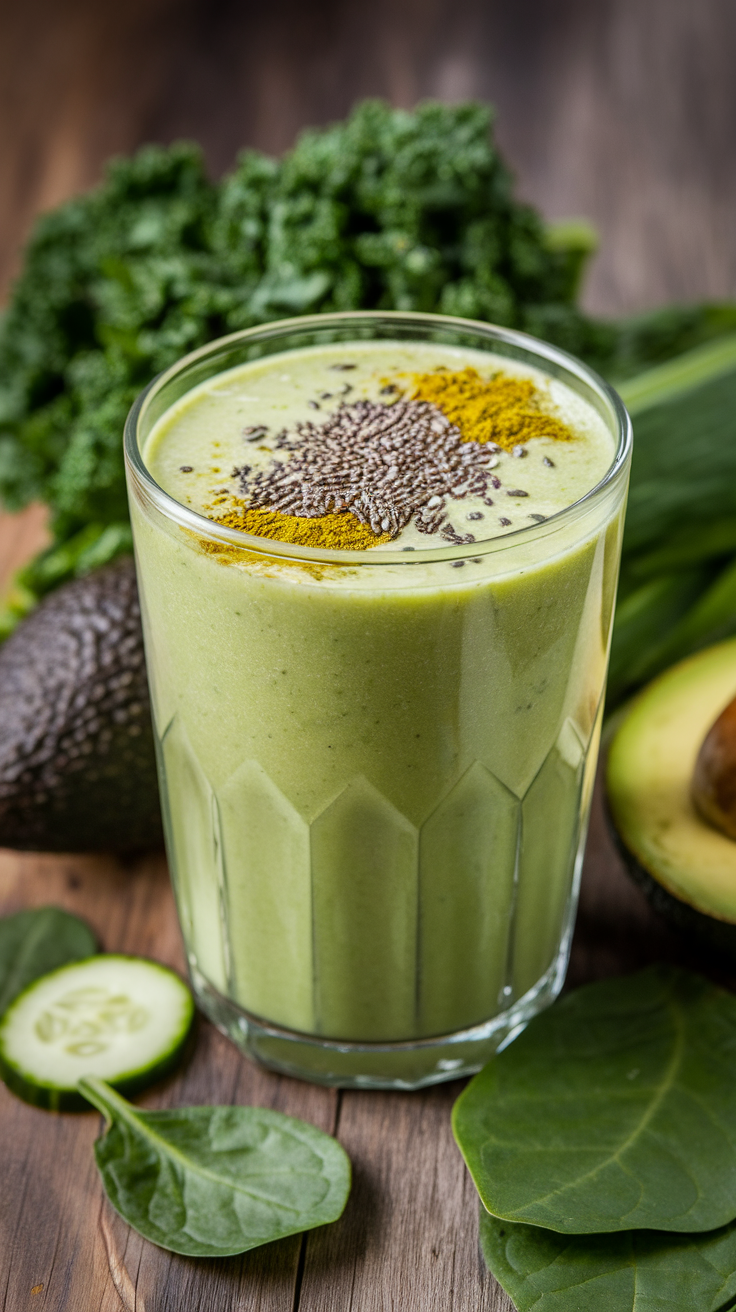
Some add-ins really do make a smoothie better. Others just make you feel smug for owning them. Here’s the difference.
Worth it
- Chia seeds: add fiber and a little staying power
- Fresh ginger: wakes everything up fast
- Lemon or lime juice: makes flavors pop
- Plain yogurt or kefir: protein plus tang
- Mint or basil: super fresh, very underrated
Proceed with caution
- Too much nut butter: delicious, but heavy
- Protein powder: useful, but some taste like chalk with ambition
- Dates and honey: fine in moderation, but fruit is often sweet enough already
- Raw cruciferous vegetables: maybe great for you, maybe not what you want at 8 a.m.
Clean eating works better when it feels doable. If your smoothie becomes a 14-ingredient performance piece, it’s probably not helping.
How to keep it satisfying without making it feel heavy
A refreshing smoothie shouldn’t leave you starving. The trick is adding a little protein and fiber without turning it into pudding.
Greek yogurt is probably the easiest win here. Chia seeds also help, and so does kefir if you like a tangier taste. Even a small amount of oats can work, but keep it modest if you still want that light, bright feel.
And yes, banana is allowed. Let’s stop acting like banana is the villain. It makes smoothies creamy, sweet, and way more enjoyable, which matters if you want this habit to last longer than three days.
A few common mistakes to skip
A classic mistake is using too many frozen ingredients and not enough liquid. That’s how you end up eating your smoothie with a spoon and pretending it was the plan all along.
Another one? Adding greens like they’re free. They are free-ish, sure, but there’s a limit. A handful of spinach disappears nicely. Three giant handfuls make your smoothie taste like lawn clippings.
Also, don’t chase perfection. If your smoothie includes real ingredients and makes you feel good, you’re doing it right. FYI, “clean” doesn’t mean joyless.
FAQ
What makes a smoothie “clean eating”?
Usually, it means the smoothie uses whole, minimally processed ingredients like fruit, greens, yogurt, seeds, and simple liquids. It’s less about strict rules and more about keeping things real and balanced.
Can a clean eating smoothie be filling enough for breakfast?
Yes, if you include protein and a little fiber. Greek yogurt, kefir, chia seeds, or even tofu can help make it more satisfying without making it overly heavy.
Do I need protein powder?
Nope. It’s optional. Plenty of smoothies work beautifully with yogurt, kefir, milk, or seeds instead.
Is fruit too high in sugar for a healthy smoothie?
Not in the way people love to panic about online. Whole fruit brings fiber, vitamins, and flavor, which makes your smoothie naturally sweet and actually enjoyable.
Can I prep smoothies ahead of time?
Yes. You can portion fruit, greens, and extras into freezer bags or containers, then blend with liquid when you’re ready. Freshly blended tastes best, but prep helps a lot.
What greens taste best in a refreshing smoothie?
Spinach is the easiest starter because it blends in with barely any drama. Romaine and fresh herbs like mint also work really well for a lighter, fresher taste.
Conclusion
A clean eating smoothie should feel like something you want, not something you’re forcing down while pretending it’s “good for you.” Keep it simple, bright, and balanced, and it’ll feel refreshing in the best way. Healthy can taste good, shockingly enough.
Leave a Reply