
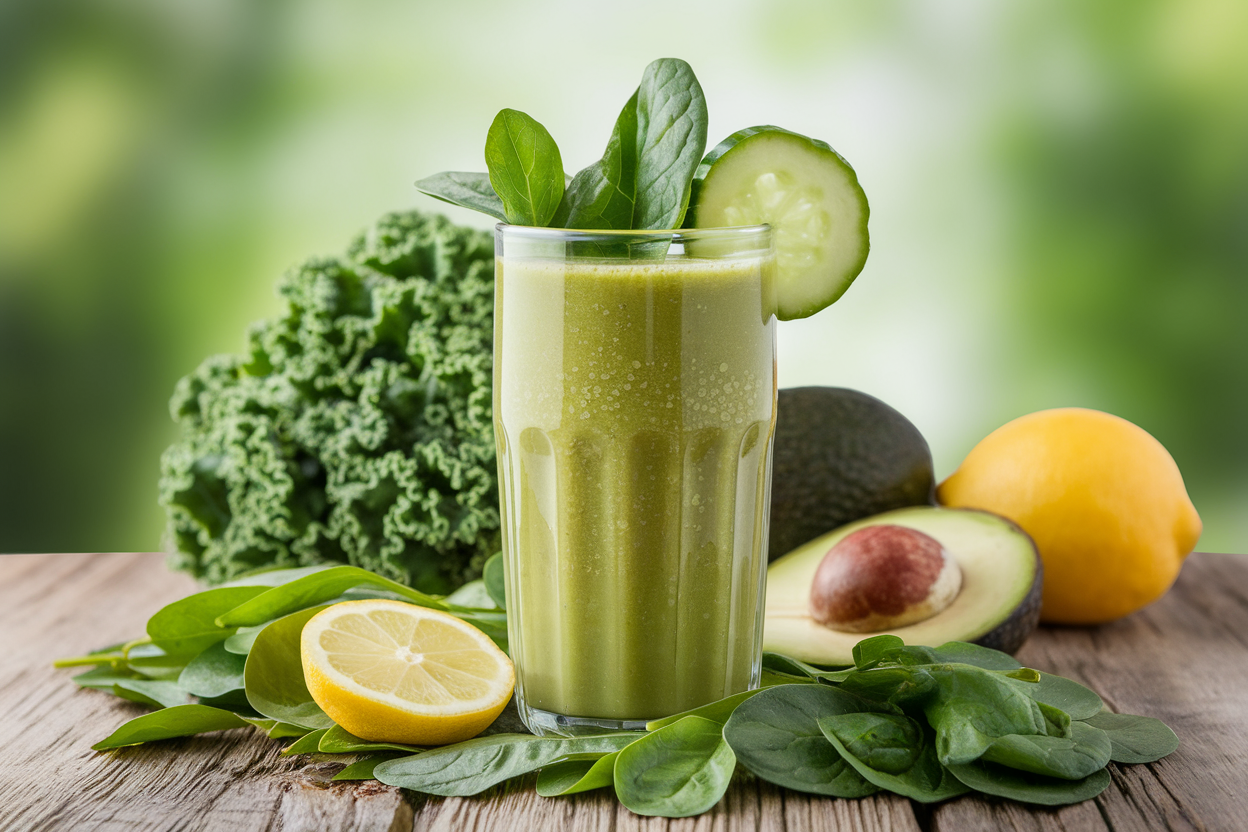
You know that feeling when a green smoothie looks healthy but tastes like lawn clippings and regret? Yeah, we’re not doing that here. A healthy green smoothie should feel easy, refreshing, and actually enjoyable to finish—not like a wellness punishment you have to power through with fake enthusiasm.
The good news: making one that tastes good is not complicated. It mostly comes down to balance, texture, and not dumping half the produce drawer into the blender and hoping for the best.
The real problem with most green smoothies
A lot of green smoothies fail for one simple reason: they go too hard on the “green” part and forget the “smoothie” part. If it tastes bitter, grassy, or weirdly chunky, your brain instantly files it under healthy but unpleasant. And once that happens, you’re basically negotiating with a cup of spinach.
The goal is not to hide vegetables under a mountain of sugar. The goal is to make the greens blend into something creamy, lightly sweet, and fresh. Think “breakfast café smoothie,” not “liquid salad.”
The formula that actually works
If you want a green smoothie that doesn’t feel like a chore, use this simple formula:
- 1 to 2 cups mild greens
- 1 frozen fruit for sweetness and texture
- 1 creamy ingredient
- 1 liquid
- Optional boost-ins
That’s it. No need to turn it into a chemistry experiment before 8 a.m.
Best greens to use
Start with mild greens. Baby spinach is the MVP here because it blends well and barely tastes like anything. Kale can work too, but it has stronger flavor and a slightly more “I’m making healthy choices” vibe.
Good options:
- Baby spinach
- Romaine
- Mixed greens with spinach
- A small amount of kale
If you’re new to green smoothies, go with spinach first. Build trust with your blender.
Fruit is doing a lot of heavy lifting
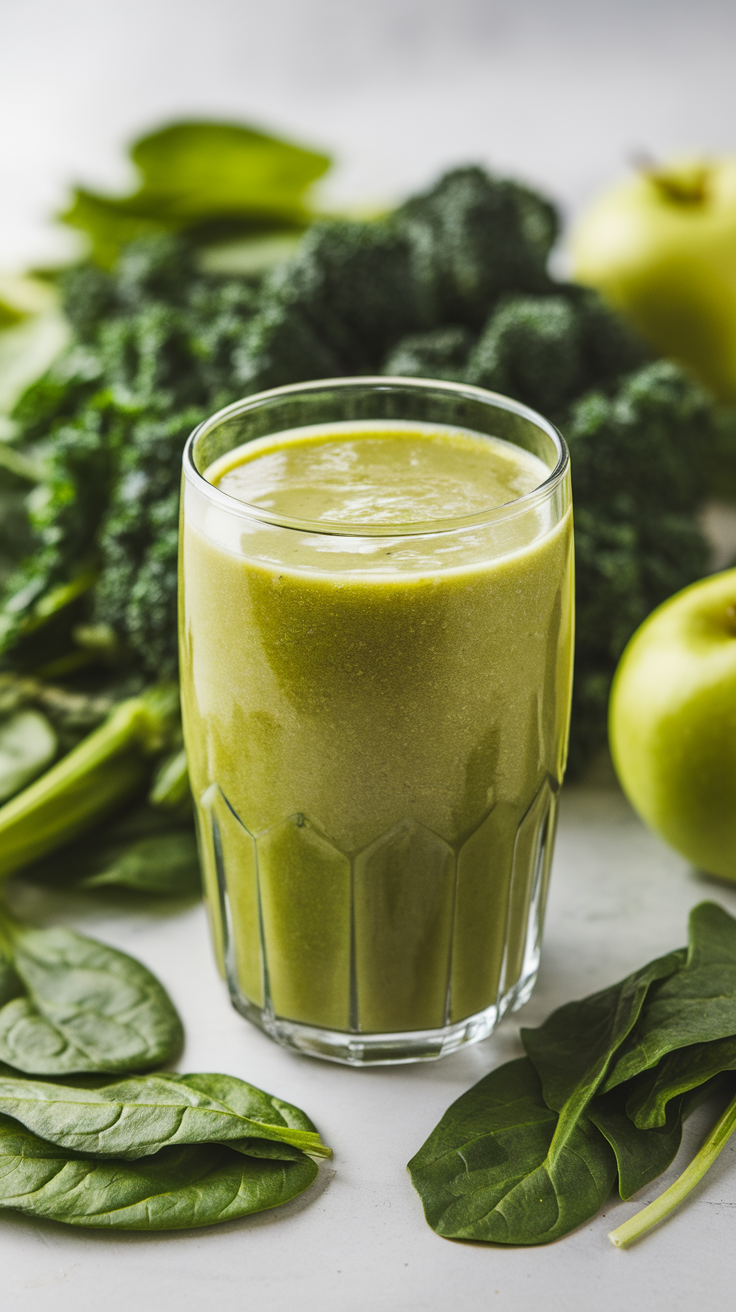
Frozen banana is the easiest way to make a smoothie taste creamy and naturally sweet. Mango and pineapple are also excellent because they bring brightness and cover up any bitter notes from greens.
Best fruits for a green smoothie:
- Banana
- Mango
- Pineapple
- Peach
- Pear
- Apple, if you want it lighter and less creamy
IMO, banana plus pineapple is one of the best combos. It tastes tropical enough that you almost forget there’s spinach in there plotting against you.
Don’t skip the creamy element
Creamy texture matters more than people think. If the smoothie is thin and watery, it feels less satisfying and way less enjoyable.
Good creamy add-ins:
- Greek yogurt
- Avocado
- Banana
- Chia seeds
- Nut butter in small amounts
Even a quarter of an avocado can make a huge difference without turning the flavor weird. Magic? Basically.
A green smoothie recipe that actually tastes good
Here’s a reliable go-to recipe that feels fresh, sweet, and balanced:
Everyday Green Smoothie
Ingredients:
- 1 packed cup baby spinach
- 1 frozen banana
- 1/2 cup frozen pineapple
- 1/2 cup Greek yogurt
- 3/4 to 1 cup unsweetened almond milk
- 1 teaspoon chia seeds
- A few ice cubes, if needed
How to make it: Add the liquid first, then yogurt, greens, fruit, and chia seeds. Blend until completely smooth. If it’s too thick, add a little more milk. If it’s too thin, toss in a few more frozen fruit pieces.
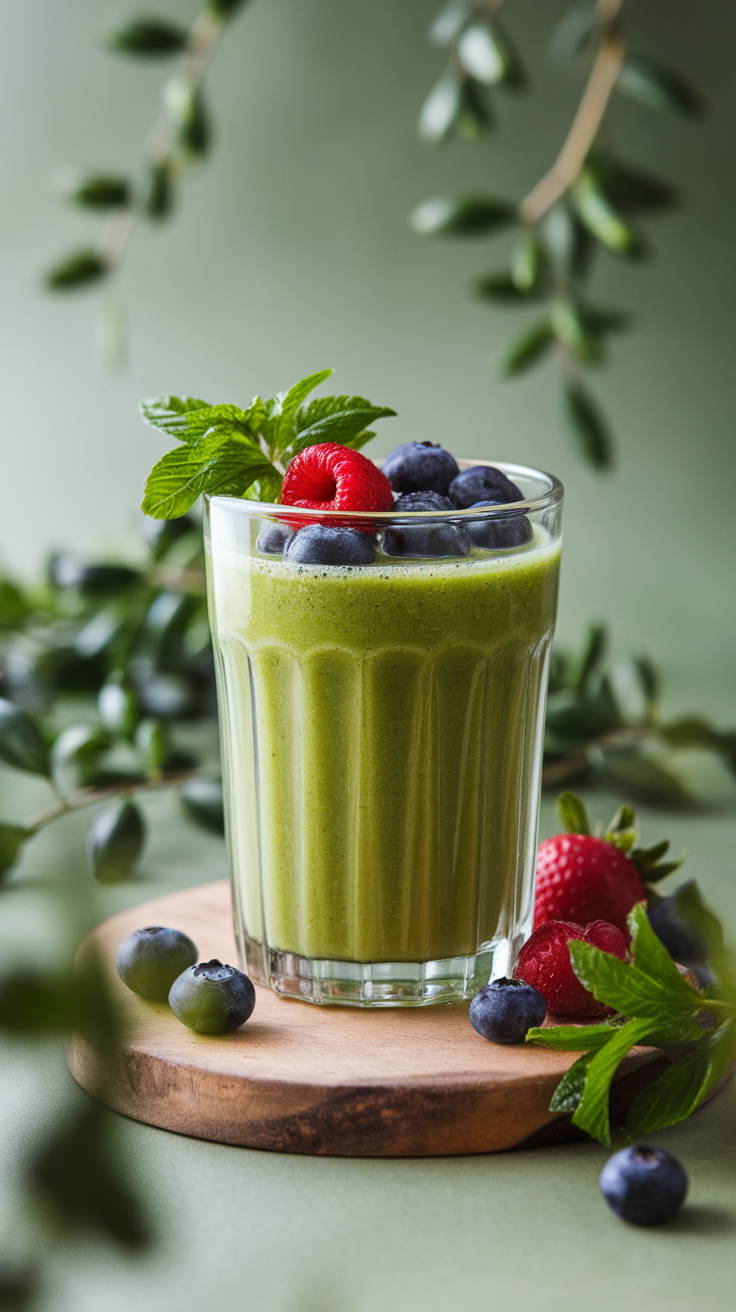
This one works because it has sweetness, creaminess, and just enough greens to feel healthy without making the whole thing taste like a hedge.
Tricks that make a big difference
Blend the greens with liquid first
This is one of those tiny details that makes you feel annoyingly competent. Blending greens and liquid first helps break them down fully, so you don’t end up chewing your smoothie. Not ideal.
Use frozen fruit, not just ice
Ice waters things down fast. Frozen fruit keeps the smoothie cold and thick while adding flavor. That’s a much better deal.
Keep bitterness in check
If your smoothie tastes too earthy or sharp, you probably used too much kale or not enough fruit. Add banana, pineapple, or a splash of orange juice to brighten it up.
Don’t overload it with “superfoods”
Listen, hemp seeds, spirulina, protein powder, flax, matcha, collagen, and bee pollen all have their fans. But if you throw all of them in at once, your smoothie starts tasting like a health food store carpet. Pick one or two extras, max.
Easy add-ins that won’t ruin the vibe
Want more nutrition without sacrificing taste? These are safe bets:
- Protein powder: Vanilla works best in green smoothies
- Chia seeds: Great for fiber and thickness
- Flaxseed: Mild and easy to blend in
- Avocado: Makes it extra creamy
- Fresh ginger: Adds a nice kick
- Lemon or lime juice: Brightens everything up
FYI, fresh mint is wildly underrated in green smoothies. A few leaves can make the whole thing taste cleaner and more refreshing.
FAQ
Can I make a green smoothie without banana?
Absolutely. Use mango, avocado, Greek yogurt, or even frozen cauliflower for creaminess. Banana is convenient, but it’s not the law.
Is kale healthier than spinach?
Kale is nutrient-dense, sure, but spinach is also packed with good stuff and tastes much milder. If spinach gets you to actually drink the smoothie, that’s the better choice.
How do I make it more filling?
Add protein and healthy fat. Greek yogurt, protein powder, nut butter, chia seeds, or avocado all help turn a snack smoothie into a real meal.
Can I make it ahead of time?
Yes, but it’s best fresh. If you make it ahead, store it in a sealed jar in the fridge and drink it within 24 hours. Give it a good shake first because separation happens. Drama, but normal.
Why does my green smoothie taste bitter?
Usually too many strong greens, not enough sweet fruit, or both. Cut back on kale, use spinach, and add pineapple or banana to balance it out.
A quick final word
A healthy green smoothie should taste like something you’d willingly make again, not a task you survive out of guilt. Keep the greens mild, the fruit frozen, and the texture creamy, and you’re already winning. Once you find your favorite combo, it becomes less “ugh, wellness” and more “actually, this is pretty good.”
Leave a Reply