
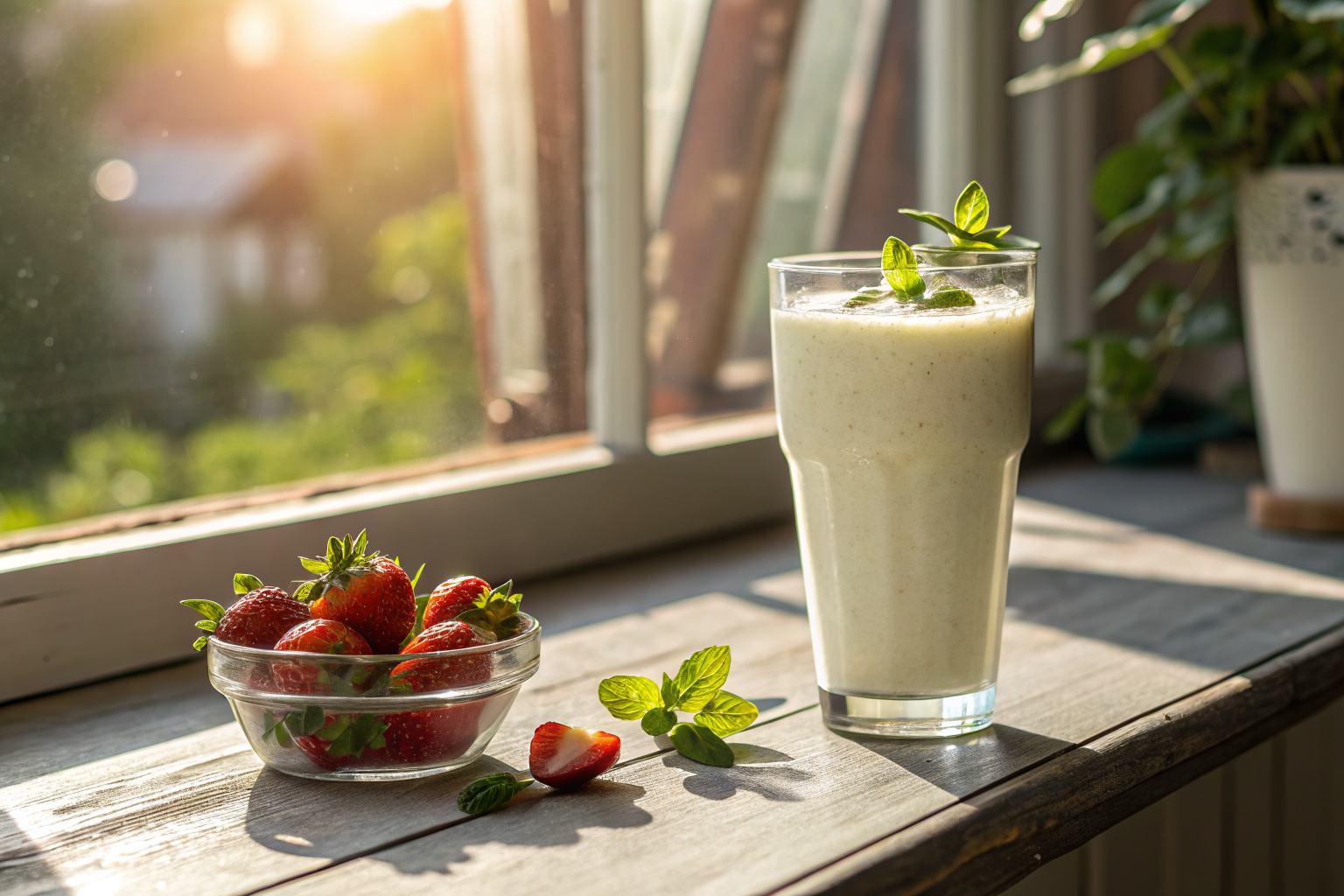
You don’t need a giant tub of vanilla dust to make a solid protein smoothie. If you’ve ever looked at protein powder ingredients and thought, “Why does this read like a chemistry pop quiz?”—same. The good news is you can blend up a smoothie that’s creamy, filling, and surprisingly protein-rich using regular foods from your kitchen.
Why skip the protein powder?
Protein powder is convenient, sure. But it’s not the only way to get protein into a smoothie, and honestly, it’s not always the tastiest either.
Some powders are chalky. Some are weirdly sweet. Some cost way too much for something that still somehow tastes like flavored drywall. If you’d rather keep things simple, whole-food ingredients can do the job while also bringing fiber, healthy fats, and better texture.
And let’s be real: using actual food feels a little more satisfying. You know what went in there, and your smoothie won’t taste like a melted supplement.
The whole-food ingredients that actually bring protein
If you want a smoothie without powder that still packs a punch, you need ingredients that pull their weight. Here are the MVPs.
Greek yogurt
This is probably the easiest protein boost. Plain Greek yogurt usually gives you around 15 to 20 grams of protein per serving, depending on the brand.
It also makes smoothies thick and creamy, which is a big win. If you like your smoothie feeling more like a milkshake and less like sad fruit water, Greek yogurt is your friend.
Cottage cheese
Yes, cottage cheese. Stay with me.
It sounds odd, but once blended, it gets smooth and almost disappears into the texture. It’s high in protein, mild in flavor, and honestly underrated. If you’ve never tried it in a smoothie, this is your sign to stop judging it by its lumpy appearance.
Milk or soy milk
Regular dairy milk adds a decent amount of protein. Soy milk is also a strong option if you want something plant-based, and it usually beats almond milk in the protein department by a mile.
Almond milk is fine if you like it, but protein-wise, it’s mostly there for vibes.
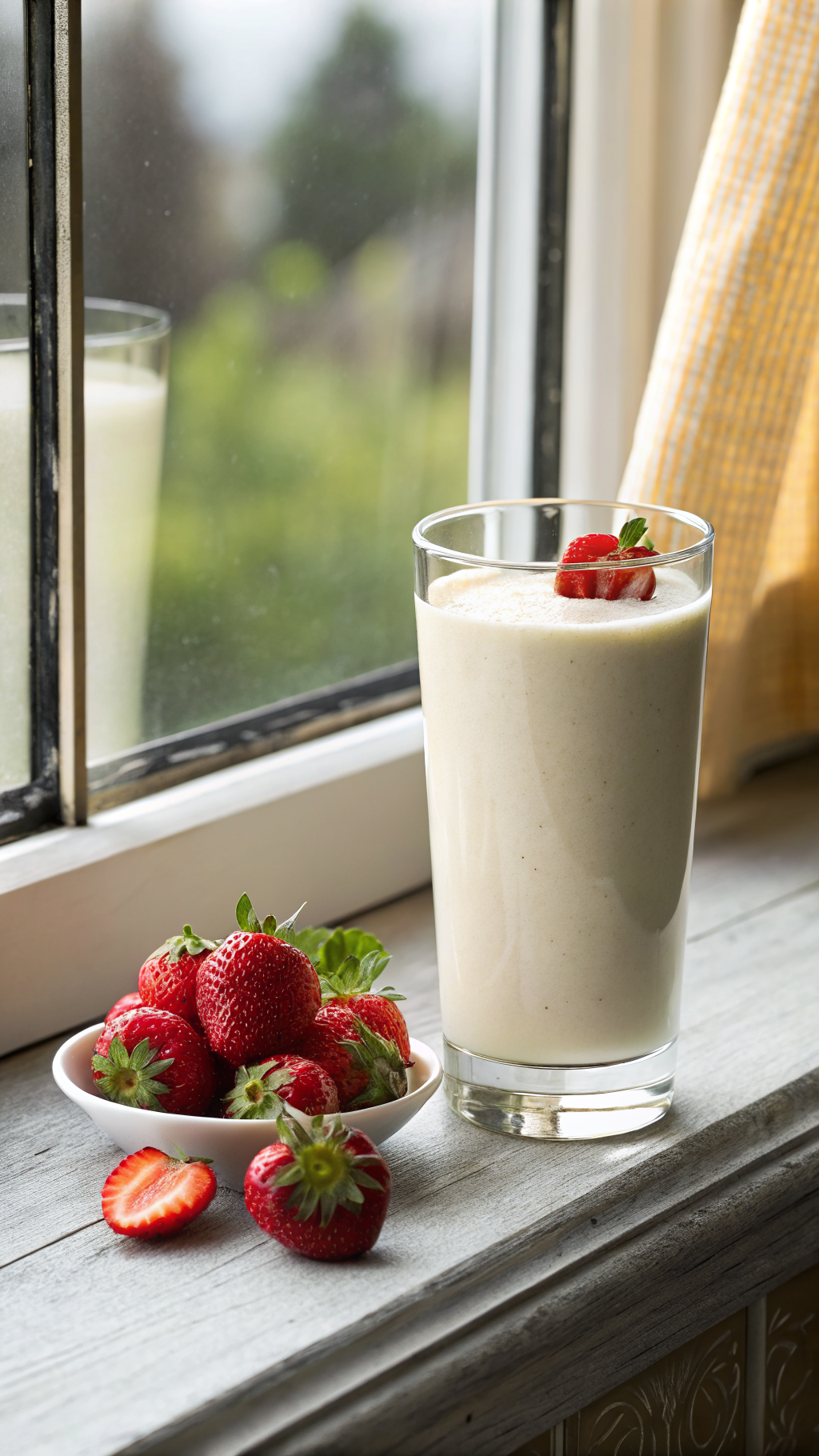
Nut butters
Peanut butter, almond butter, cashew butter—pick your fighter. These add some protein, plus healthy fats that help your smoothie keep you full longer.
Peanut butter is the classic move because it’s cheap, tasty, and works with banana like they were clearly meant to be together.
Hemp seeds, chia seeds, and flaxseed
These little guys are not just for people who own six mason jars and call snacks “energy bites.” Hemp seeds are especially useful because they add a nice protein bump without changing the flavor much.
Chia and flax bring fiber and healthy fats too, which makes your smoothie more balanced. Bonus: they make you feel like you have your life together.
Silken tofu
This one surprises people, but it works. Silken tofu blends beautifully and adds protein without making your smoothie taste like tofu stir-fry.
It’s perfect if you want a dairy-free smoothie that still feels rich and substantial.
Oats
Oats aren’t super high in protein on their own, but they help. More importantly, they add fiber and make the smoothie more filling.
Think of them as backup dancers. Not the star, but the performance would suffer without them.
How to build a smoothie that’s actually satisfying
A good smoothie needs more than just random healthy ingredients thrown in with hope. You want a mix of protein, carbs, and fat so it keeps you full and energized.
A simple formula works well:
- 1 protein-rich base
- 1 to 2 servings of fruit
- 1 healthy fat source
- 1 liquid
- Optional extras like oats, seeds, cinnamon, or cocoa
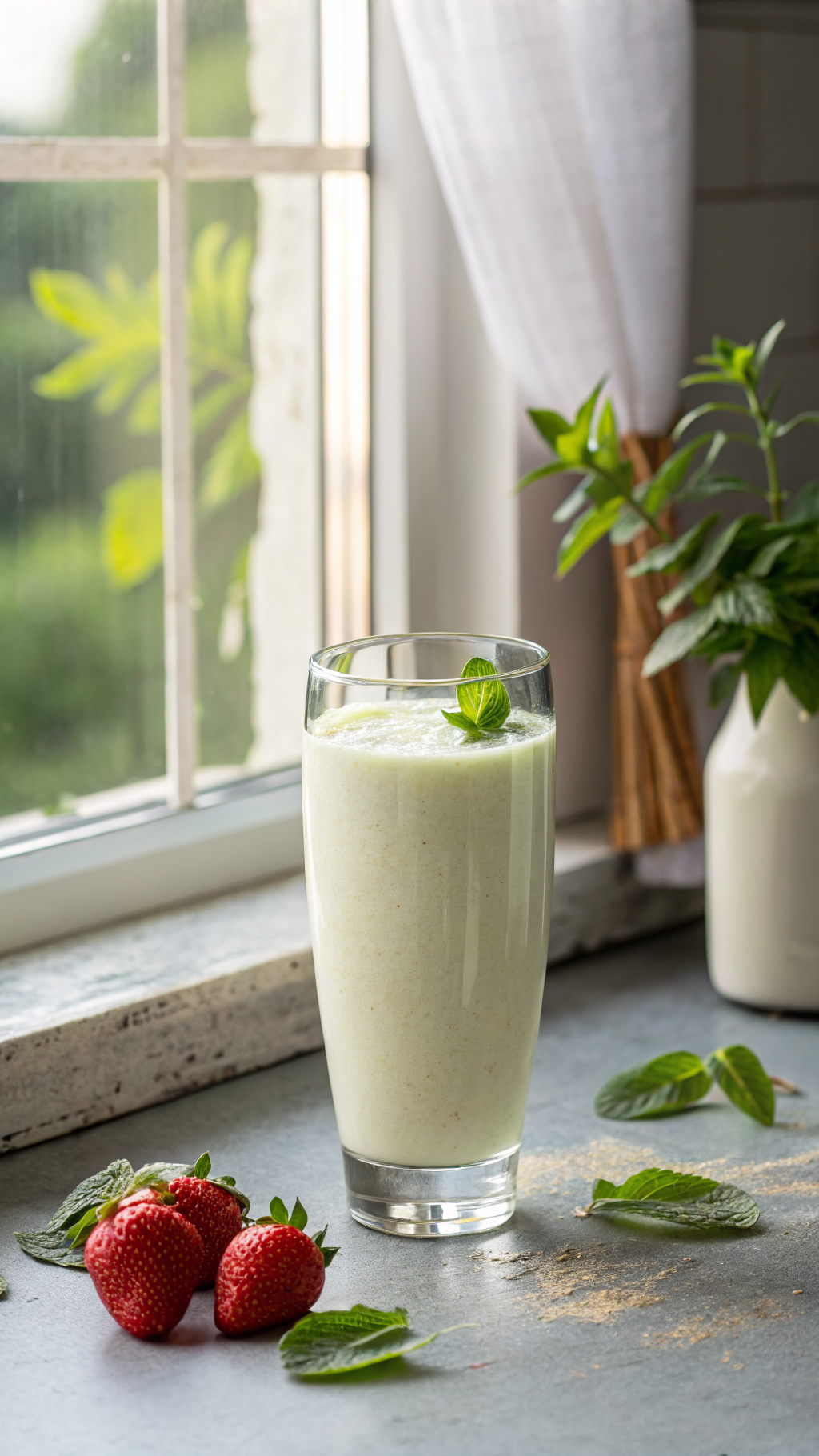
For example, Greek yogurt plus banana plus peanut butter plus milk? Solid. Cottage cheese plus berries plus oats plus soy milk? Also excellent.
The key is to stack ingredients, not rely on just one. That’s how you get a smoothie that actually “packs a punch” instead of leaving you hungry 45 minutes later and staring into the fridge like it personally betrayed you.
Three easy smoothie combos to try
Here are a few combos that taste good and bring decent protein without powder.
Berry cheesecake smoothie
Blend together:
- 1 cup Greek yogurt
- 1 cup frozen mixed berries
- 1/2 banana
- 1 tablespoon chia seeds
- Splash of milk
This one is tangy, creamy, and feels a little fancy for something that takes two minutes.
Peanut butter banana power smoothie
Blend together:
- 1 banana
- 2 tablespoons peanut butter
- 3/4 cup cottage cheese
- 1/2 cup milk
- 1/4 cup oats
- Ice
This is thick, filling, and IMO one of the best post-workout options if you don’t want powder.
Chocolate tofu smoothie
Blend together:
- 1/2 cup silken tofu
- 1 banana
- 1 tablespoon cocoa powder
- 1 tablespoon almond butter
- 1 cup soy milk
- A couple of dates, if you want it sweeter
It’s smooth, chocolatey, and way better than it sounds. Trust the blender.
Common mistakes that ruin the vibe
One big mistake is using too much fruit and not enough protein-rich ingredients. That gives you a sugar-heavy smoothie that tastes nice but won’t keep you full.
Another issue is choosing low-protein liquids and expecting magic. If you use only almond milk, ice, and fruit, you’ve basically made a slushie with good PR.
Also, watch the nut butter. It’s great, but spooning in half the jar “for protein” is not exactly a balanced strategy. Delicious? Yes. Reasonable? Debatable.
FAQ
Can a smoothie really have enough protein without protein powder?
Absolutely. If you use ingredients like Greek yogurt, cottage cheese, tofu, soy milk, and seeds, you can make a smoothie with a pretty solid protein count. You just need to be intentional about what goes in.
What’s the best no-powder protein source for smoothies?
Greek yogurt is probably the easiest and most reliable option. It blends well, tastes good, and adds a lot of protein without much effort.
Are plant-based protein smoothies possible without powder?
Yes. Silken tofu, soy milk, hemp seeds, chia seeds, nut butters, and oats can all help. FYI, soy milk and tofu usually do the heaviest lifting.
Will cottage cheese make my smoothie taste weird?
Not really. Once blended, it becomes smooth and mild. It mostly adds creaminess and protein, not “cottage cheese energy.”
Is a no-protein-powder smoothie good for breakfast?
Definitely, as long as it includes protein, healthy fats, and some fiber. That combo helps it feel like an actual meal instead of a drink that disappears from your stomach immediately.
A simple way to keep it real
You don’t need supplements to make a strong protein smoothie. You just need smart ingredients, a decent blender, and maybe a willingness to put cottage cheese in places you never expected. Keep it balanced, keep it simple, and your smoothie can absolutely hold its own—no powder required.
Leave a Reply