
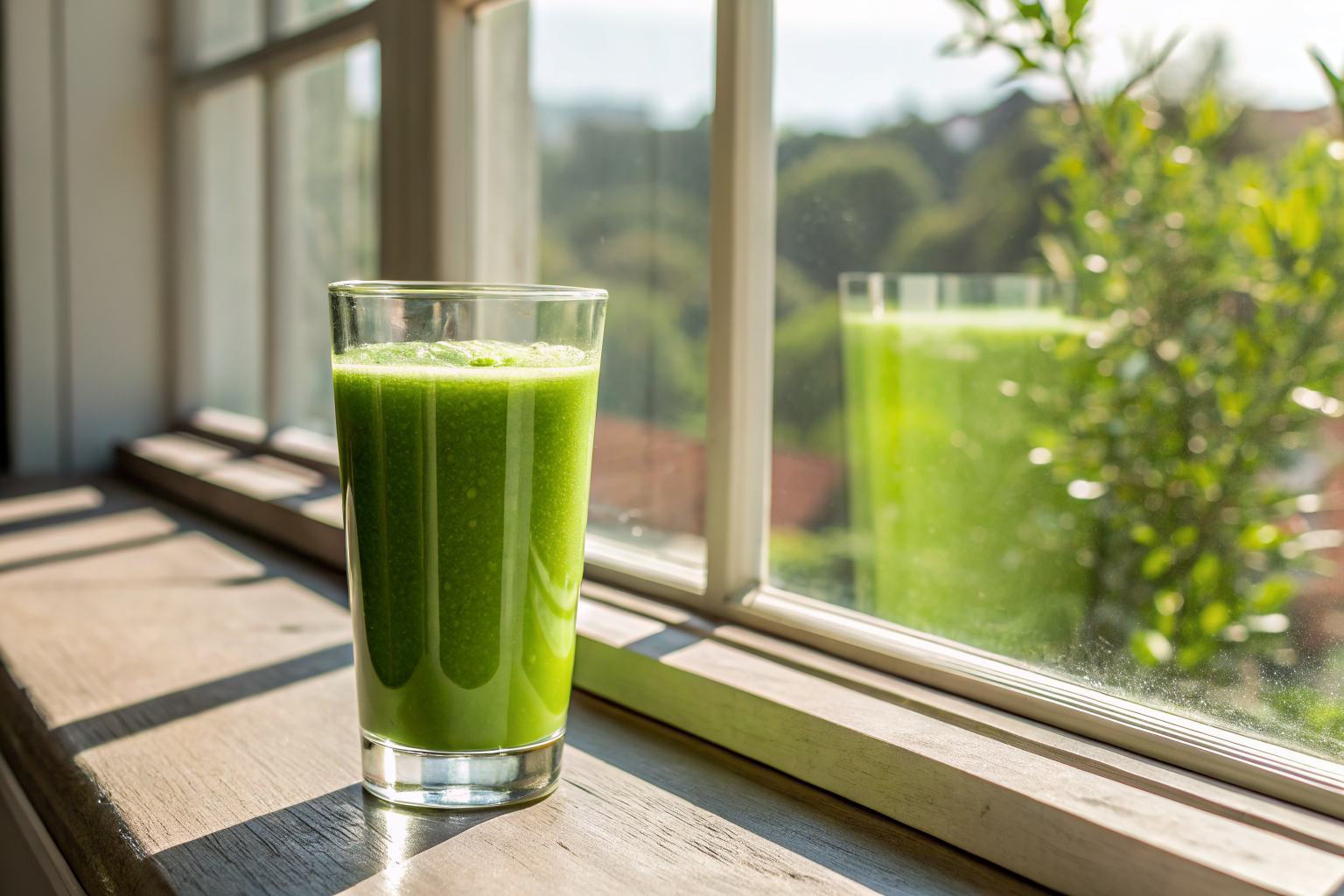
Some mornings, a heavy breakfast feels like a personal attack. You want something that wakes up your stomach, not something that makes you want to crawl back into bed and rethink your life choices. That’s where a light, refreshing breakfast juice for digestion can really shine.
A good morning juice won’t magically fix every stomach issue on earth, but it can help you start the day feeling less bloated, less sluggish, and a whole lot more comfortable. And honestly, when your gut is happy, everything feels a little less dramatic.
Why a Light Breakfast Juice Works
Your digestive system is just getting started in the morning. After a full night without food, many people do better with something gentle before diving into coffee, eggs, toast, or whatever else is on the menu.
A light juice can help hydrate you first thing, which matters more than people think. Digestion runs better when you’re not basically a sleepy raisin. Juice also gives you a quick hit of vitamins, natural enzymes from fresh produce, and a refreshing start that doesn’t sit like a brick in your stomach.
The key word here is light. If you load your juice with too much fruit, too much pulp, or a random “superfood” powder that tastes like lawn clippings, it stops being refreshing and starts becoming a whole project.
What Makes a Juice Good for Digestion?
If your goal is digestion support, not just sweetness in a glass, a few ingredients tend to work especially well.
Ginger
Ginger is the MVP here. It’s warming, bright, and famous for helping with nausea, sluggish digestion, and that weird “my stomach is awake but also confused” feeling. A little goes a long way, though. You want a gentle zing, not a throat punch.
Cucumber
Cucumber adds hydration and keeps the flavor cool and clean. It’s one of those ingredients that makes juice feel spa-like, even if you’re drinking it in yesterday’s oversized T-shirt.
Celery
Celery can help keep things light and savory-fresh instead of sugar-heavy. Some people swear by it for digestion. IMO, it works best when paired with other ingredients so it doesn’t taste like you blended a salad with ambition.
Lemon
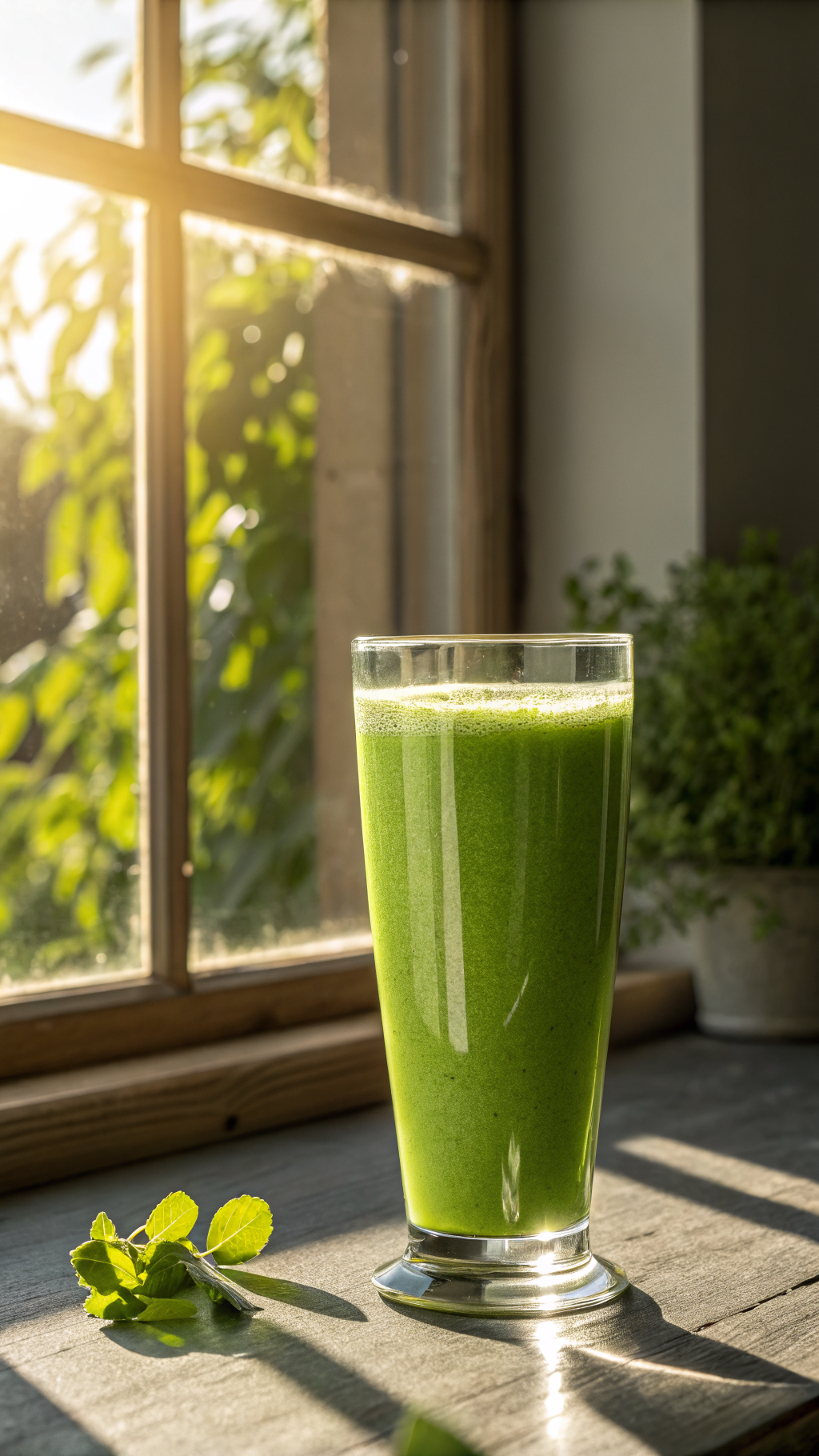
Lemon brightens everything. It can make a juice feel cleaner and more wake-you-up without making it heavy. It’s also great if rich breakfasts tend to leave you feeling blah.
Mint
Mint is refreshing and can feel soothing on the stomach. Plus, it makes the whole juice taste more alive.
Apple or Pineapple, in moderation
A little fruit helps balance flavor, especially if you’re using greens or celery. Apple is crisp and mild. Pineapple adds sweetness with a tropical kick. Just don’t turn your “digestive juice” into dessert pretending to be wellness.
The Best Flavor Combos to Try
You don’t need ten ingredients and a spiritual awakening. Simple usually works best.
Cucumber, apple, ginger, and lemon
This is probably the easiest place to start. It’s crisp, mildly sweet, and has enough ginger to feel helpful without being aggressive. Great if you want something beginner-friendly.
Celery, cucumber, mint, and green apple
This one tastes super fresh and clean. It’s especially nice if you don’t like overly fruity juices. Think “garden, but make it pleasant.”
Pineapple, cucumber, ginger, and mint
If you want something brighter and more vacation-ish, this combo is excellent. The pineapple brings sweetness, while cucumber and mint stop it from getting too intense.
Carrot, orange, and ginger
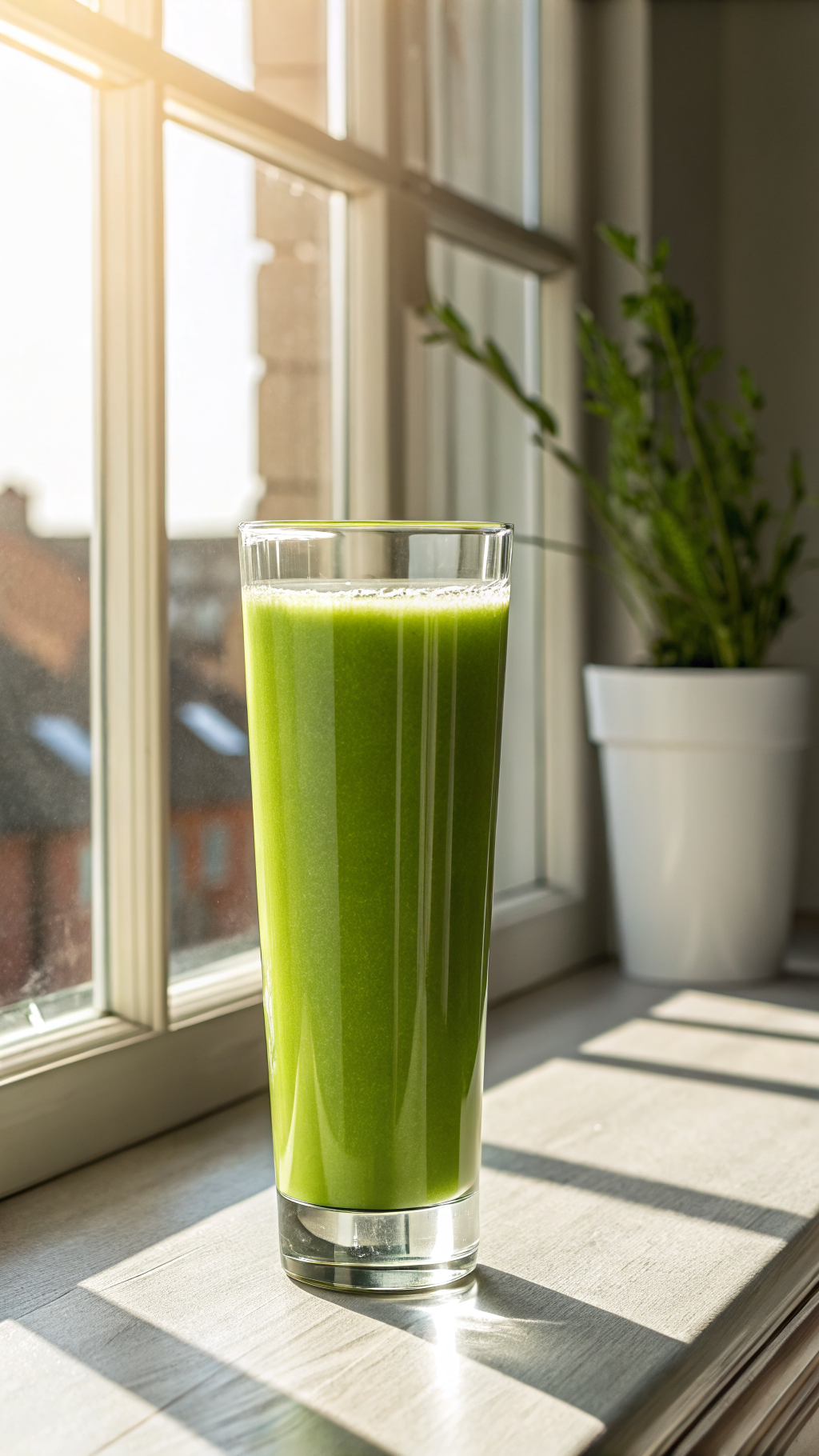
A little sweeter, yes, but still a classic. Carrot adds body, orange adds brightness, and ginger keeps it from feeling too soft and sleepy.
A Simple Digestion-Friendly Breakfast Juice Recipe
Here’s a solid go-to recipe that feels light and refreshing without tasting like punishment.
Ingredients
- 1 medium cucumber
- 1 green apple
- 2 celery stalks
- 1/2 lemon, peeled
- 1 small piece of fresh ginger, about 1 inch
- A few fresh mint leaves
- Optional: a little water or ice
How to make it
Run everything through a juicer. If you’re using a blender, blend with a splash of water and strain if you want a smoother texture.
Drink it fresh, ideally within 15 to 20 minutes. That’s when the flavor is brightest and the whole thing feels the most alive.
A Few Tips So Your Juice Actually Helps
Don’t chug it like you’re trying to win a contest. Sip it slowly. Giving your stomach a minute to process things is usually a better move.
Try drinking it before a heavier breakfast, or make it your whole breakfast if you’re someone who doesn’t like eating much early in the day. If you get hungry fast, pair it with something easy like yogurt, oatmeal, or toast with nut butter.
Also, keep an eye on how your body reacts. Some people love citrus first thing. Some people absolutely do not. Your gut has opinions, and unfortunately, it doesn’t always file them politely.
Common Mistakes That Ruin the “Light and Refreshing” Vibe
The biggest mistake? Too much fruit. Yes, fruit tastes great. No, six oranges and three mangoes are not the answer if you’re trying to support digestion gently.
Another mistake is adding too many fibrous ingredients if your stomach is sensitive. Raw beets, kale, and tons of pulp can be a bit much first thing in the morning for some people.
And let’s talk temperature. Ice-cold juice sounds amazing, but for sensitive digestion, very cold drinks can feel a little harsh. Cool is great. Arctic blast? Maybe not.
FAQ
Is breakfast juice enough for digestion on its own?
It can help, but it’s not a miracle worker. Good digestion also depends on hydration, balanced meals, stress, sleep, and not inhaling your lunch in four minutes flat.
Should I drink juice on an empty stomach?
Usually, yes, if it feels good for you. Many people enjoy a light digestive juice first thing. But if acid or citrus bothers your stomach, have it with food instead.
Can I make digestive juice the night before?
You can, but fresh is better. The flavor fades, and it just doesn’t hit the same. FYI, if you must prep ahead, store it in an airtight glass jar in the fridge and drink it by the next morning.
What if I don’t have a juicer?
A blender works fine. Add a bit of water, blend well, then strain through a fine mesh sieve or nut milk bag if you want a smoother juice.
Are green juices always better for digestion?
Not automatically. Some green juices are fantastic, and some taste like regret. The best one is the one your stomach tolerates well and that you’ll actually drink consistently.
Conclusion
A light breakfast juice for digestion can be a simple, refreshing way to start your morning without overwhelming your stomach. Stick with hydrating ingredients, go easy on the sugar, and keep the flavors clean and balanced.
It doesn’t need to be complicated. Just fresh, gentle, and actually enjoyable—because if your healthy breakfast tastes like a dare, what’s the point?
Leave a Reply