Breakfast Juice for Energy When Coffee Isn’t Enough
Some mornings, coffee just phones it in. You drink a cup, maybe two, and somehow you still feel like a low-battery icon in human form. That’s where breakfast juice can step in—not as some magic potion, but as a smart, refreshing way to give your body actual fuel. If your usual caffeine routine isn’t cutting it, a good morning juice might be the backup plan you didn’t know you needed.
Why coffee sometimes isn’t enough
Coffee is great. I’m not here to start a fight with espresso lovers or your emotional support latte. But caffeine mostly helps you feel more alert—it doesn’t automatically give your body nutrients, hydration, or steady energy.
If you wake up dehydrated, underfed, or running on four and a half hours of sleep and bad decisions, coffee can only do so much. It’s like putting glitter on a problem. Shiny? Sure. Solved? Not really.
A well-made breakfast juice can help because it adds fluids, natural carbs, vitamins, and sometimes even a little protein or healthy fat if you pair it with the right foods. The goal isn’t just “wake up fast.” It’s “feel human for more than 20 minutes.”
What makes a breakfast juice energizing?
Not all juices deserve a halo. Some are basically liquid candy wearing a “healthy” disguise. If you want actual energy, look for juices with a few key things going on.
Natural carbohydrates
Your brain and muscles like carbs in the morning. Fruit gives you quick energy, which is helpful when you’re trying to get moving and your body is still negotiating with the blanket.
Orange, apple, pineapple, mango, and grapes all bring natural sugars that can perk you up. The trick is balance. Too much straight fruit juice can spike your energy and then send it crashing back down.
Hydration
A big reason you feel sluggish in the morning? You’re often slightly dehydrated. Juice made with watery fruits and veggies—like cucumber, watermelon, celery, or oranges—can help fix that fast.
Hydration matters more than people give it credit for. Sometimes “I need coffee” is actually “I need water and a better plan.”
Micronutrients that support energy
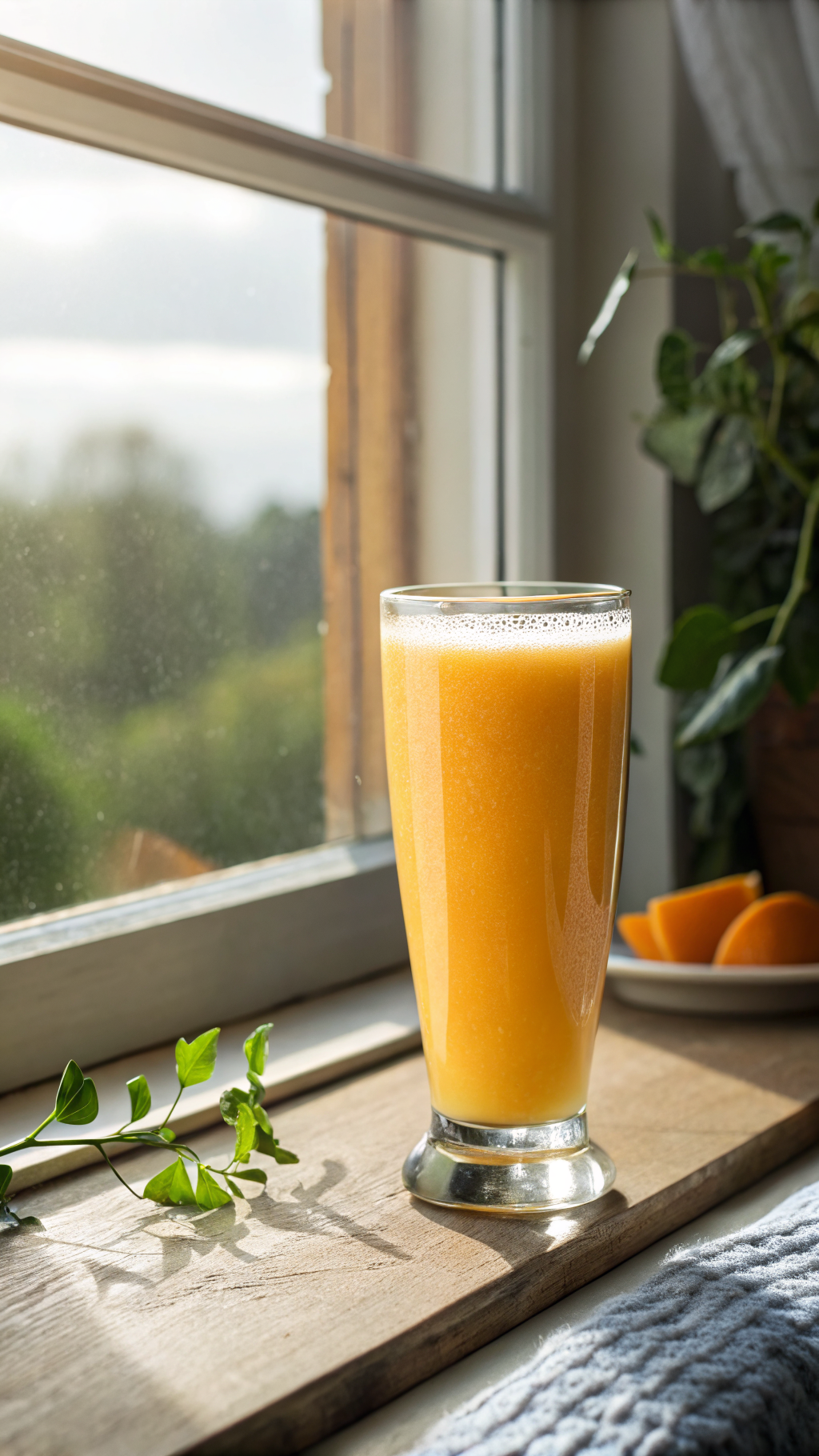
Juice won’t replace a full breakfast, but it can deliver nutrients your body uses to make energy. Vitamin C, B vitamins, potassium, magnesium, and iron all play a role.
Citrus, berries, spinach, beets, and carrots are especially useful here. Beets, in particular, get a lot of hype for supporting blood flow—and IMO, that hype is mostly earned.
Best breakfast juice combos for real energy
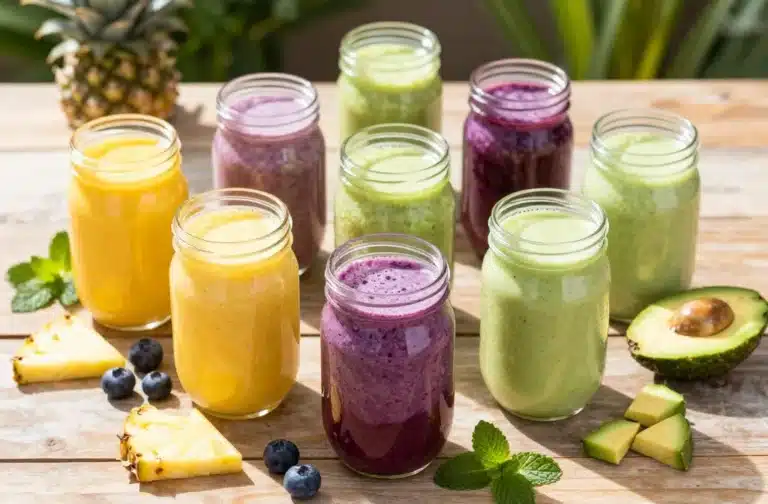
Here’s where things get fun. You don’t need a chemistry degree or a $400 juicer named something ridiculous. You just need combinations that taste good and do something useful.
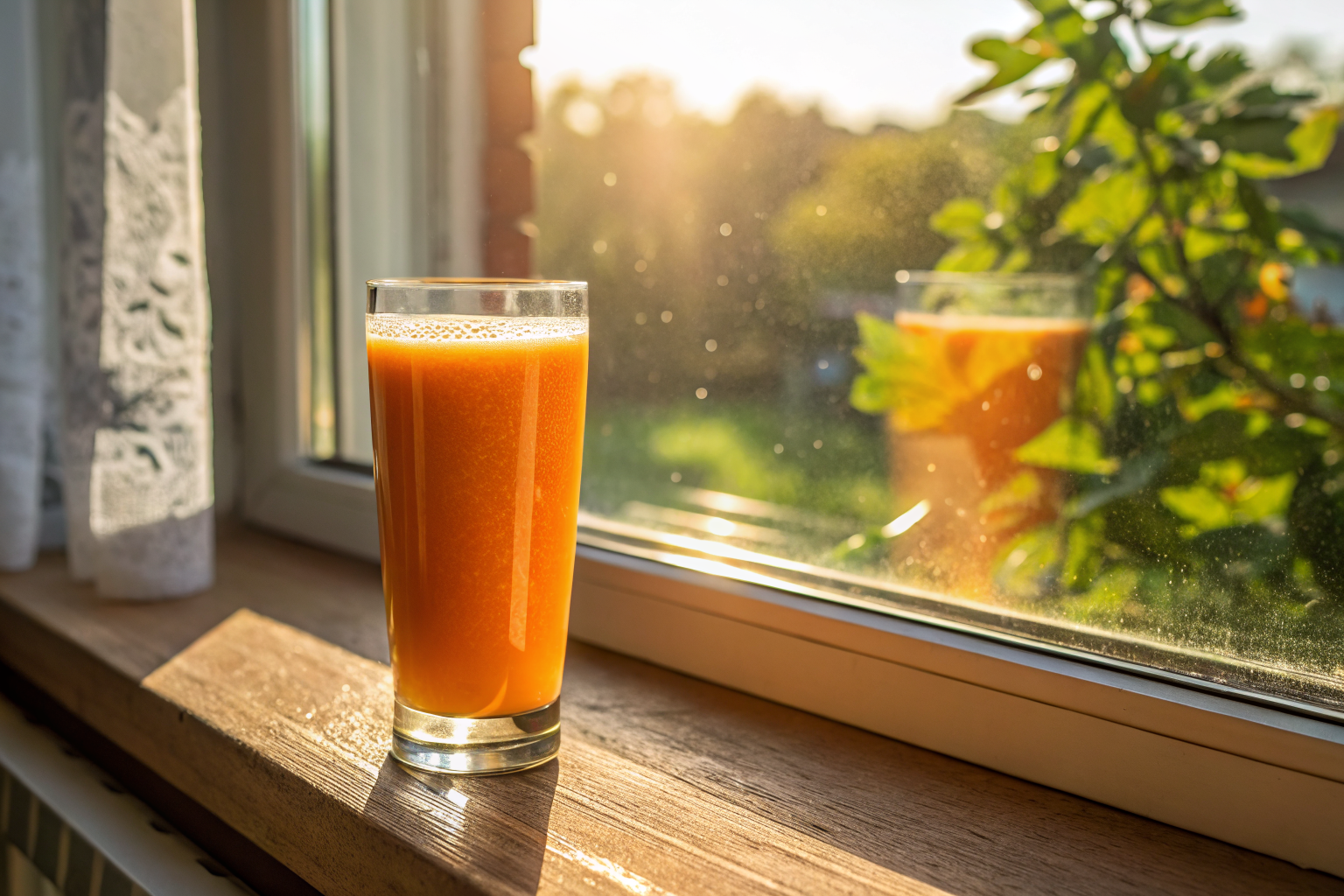
Orange, carrot, and ginger
This one is classic for a reason. Orange brings vitamin C and brightness, carrot adds natural sweetness and beta-carotene, and ginger gives it that “okay, I’m awake now” kick.
It’s refreshing without being boring, and it feels way healthier than chugging a neon gas-station drink at 8 a.m.
Beet, apple, and lemon
If your energy is dragging hard, this combo can help. Beet juice has natural nitrates that may support circulation, apple makes it more drinkable, and lemon sharpens the whole thing up.
Fair warning: beets are earthy. Very earthy. If you’ve ever licked a garden on accident, you know the vibe. But mixed properly, it works.
Green juice that doesn’t taste like lawn clippings
Try spinach, cucumber, green apple, celery, and a little lemon. This gives you hydration, minerals, and enough sweetness from the apple to keep things civilized.
This is a solid pick if you want something light but still energizing. It won’t weigh you down, which matters if you hate heavy breakfasts.
Pineapple, mango, and coconut water
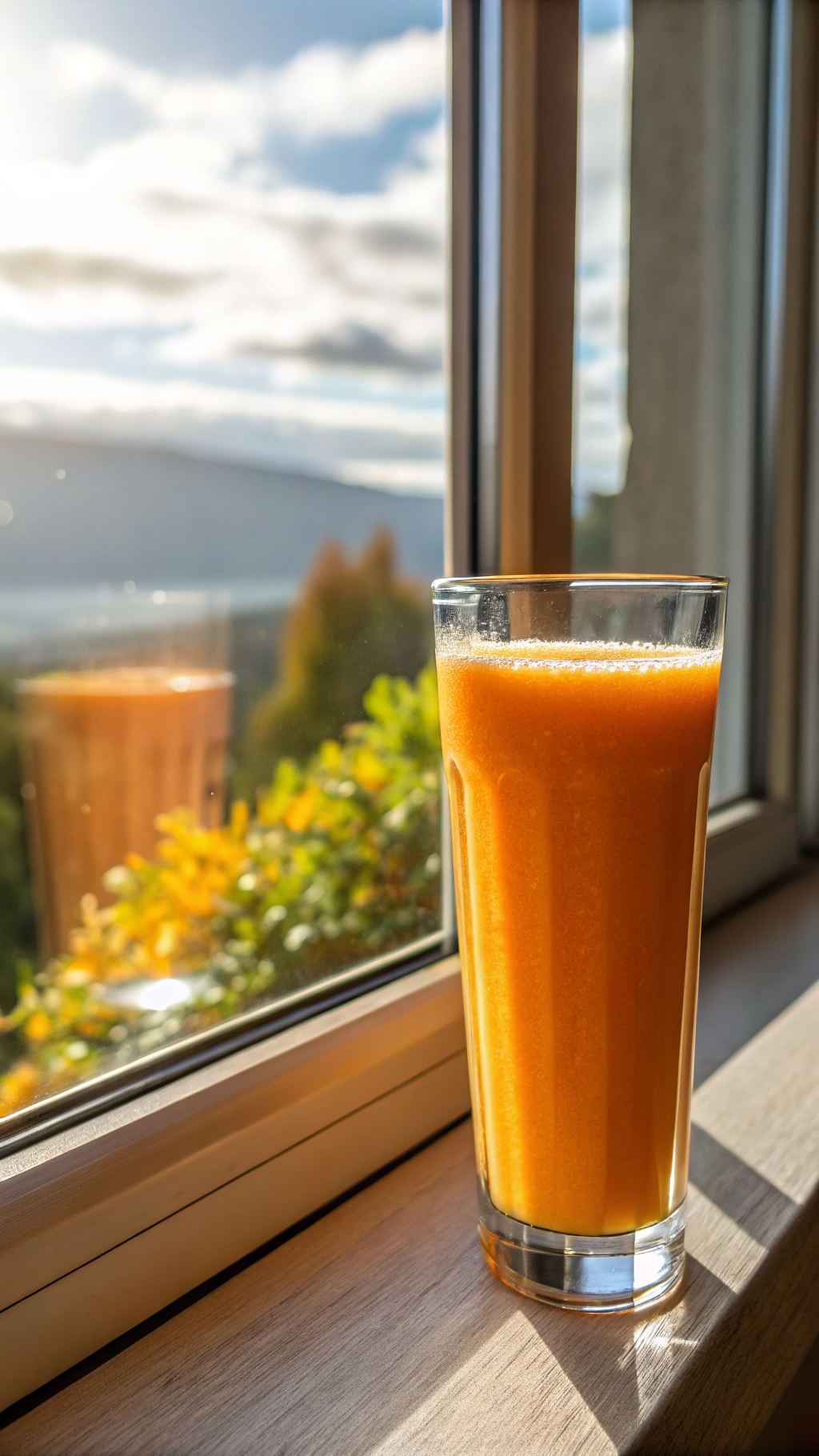
This one tastes like vacation, which is emotionally helpful even if you still have emails waiting. Pineapple and mango provide quick carbs, while coconut water adds electrolytes.
It’s especially good after a sweaty workout or a morning when you woke up feeling oddly wilted.
How to avoid the sugar crash
Here’s the big catch: juice alone can be a little too fast-burning. If you drink a giant glass of sweet juice by itself, you might feel amazing for an hour and then suddenly want to nap under your desk.
The fix is simple. Pair your juice with protein, fat, or fiber. Think Greek yogurt, eggs, toast with nut butter, cottage cheese, or oatmeal.
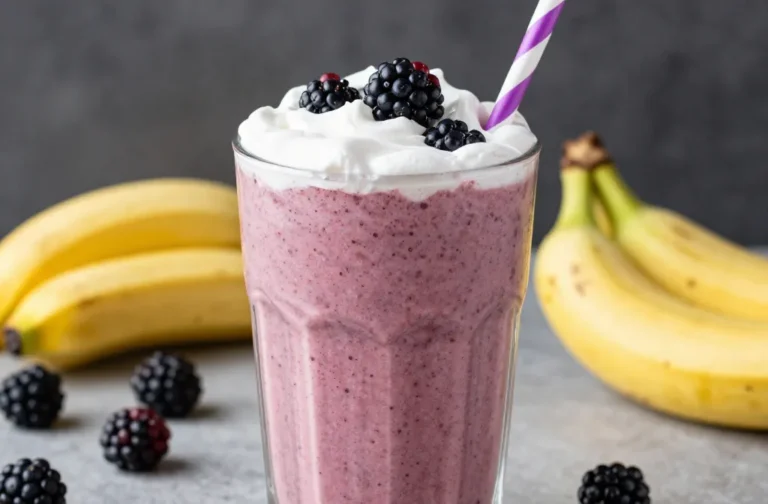
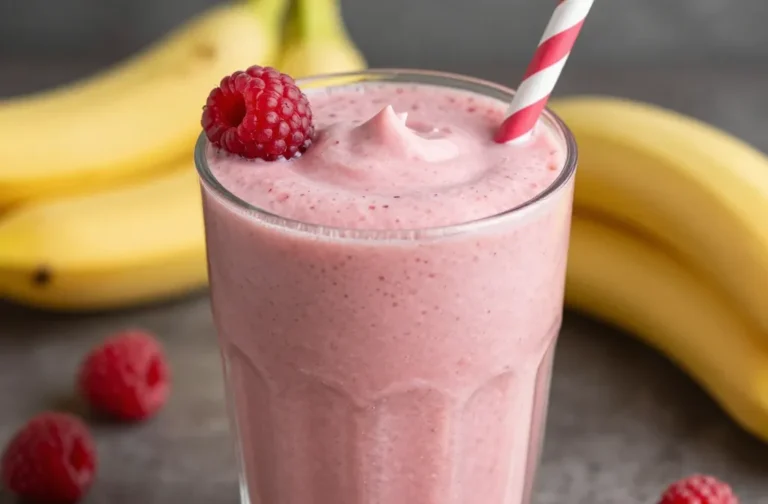
You can also build juice more strategically. Add lower-sugar produce like cucumber, celery, spinach, or lemon to balance sweeter fruits. Or blend instead of juice sometimes, so you keep more fiber. FYI, fiber is your friend when it comes to steady energy.
Store-bought vs. homemade
Store-bought juice isn’t automatically bad, but you have to read the label like a suspicious adult. Look for juice with no added sugar and minimal extra stuff you can’t pronounce before caffeine.
Fresh homemade juice usually wins because you control what goes in. You can keep it lighter, less sweet, and more nutrient-dense. Plus, you can adjust it based on your mood, which is useful when your taste buds and your energy level are not on speaking terms.
If you buy bottled juice, cold-pressed options tend to be better. Just don’t assume every bottle with leaves on the label is a health masterpiece.
A few smart morning juice habits
Drink your juice fresh if possible. Nutrients—especially vitamin C—can decline over time, and fresh juice simply tastes better.
Keep portions reasonable. Around 8 to 12 ounces is plenty for most people, especially if you’re pairing it with food.
And please don’t use juice as a substitute for sleep. I hate to be the bearer of deeply unfair news, but no amount of ginger can fully undo three hours of doomscrolling.
FAQ
Is breakfast juice better than coffee?
Not necessarily better—just different. Coffee boosts alertness, while juice can provide hydration, carbs, and nutrients. For a lot of people, the best combo is actually coffee plus a balanced breakfast juice or meal.
What juice gives the most energy in the morning?
Juices with a mix of fruit for quick carbs and veggies for nutrients tend to work best. Orange-carrot-ginger, beet-apple-lemon, and pineapple-coconut water blends are all strong choices.
Can I drink breakfast juice on an empty stomach?
Yes, most people can. But if you’re sensitive to acidity or sugar spikes, pair it with something like eggs, yogurt, or toast to keep your energy steadier.
Is green juice good for morning energy?
Yes, especially if it includes a little fruit for quick fuel. A green juice with cucumber, spinach, celery, apple, and lemon can feel surprisingly energizing without being too heavy.
How much breakfast juice should I drink?
Usually 8 to 12 ounces is enough. More than that can load you up with sugar pretty quickly, especially if it’s mostly fruit-based.
Conclusion
When coffee isn’t enough, breakfast juice can help fill in the gaps. It won’t perform miracles, but it can give you hydration, quick energy, and nutrients your body actually wants first thing in the morning. Keep it balanced, pair it with real food, and you’ll have a much better shot at feeling awake without needing your third cup by 9 a.m.