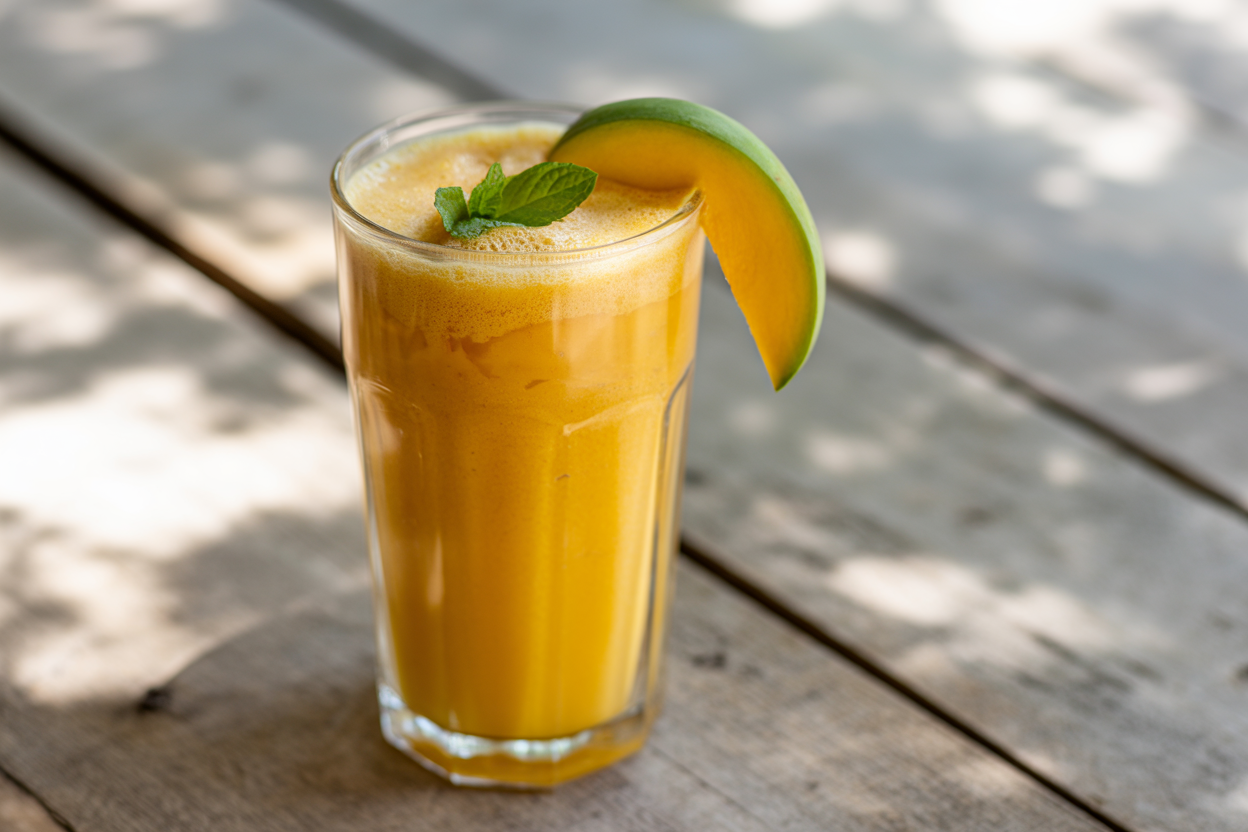
Mornings can be a mess. You want breakfast that feels healthy, tastes good, and doesn’t require turning your kitchen into a disaster zone before 8 a.m. That’s exactly why a healthy mango smoothie for breakfast is such a winner: it’s fast, refreshing, and somehow manages to feel like a tiny vacation in a glass.
Why mango works so well in a breakfast smoothie
Mango has that naturally sweet, sunny flavor that makes a smoothie taste way more exciting than it has any right to. It blends into a creamy texture without needing a ton of extra ingredients, which is great if you’re not trying to build a five-layer wellness potion before coffee.
It also brings real nutritional value to the table. Mango contains vitamin C, vitamin A, and fiber, so you’re not just drinking something that tastes like dessert and pretending it counts as breakfast. We’ve all been there, no judgment.
Another reason mango is perfect in the morning? It pairs with just about everything. Yogurt, banana, oats, chia seeds, spinach, protein powder—mango gets along with the whole group like the easygoing friend at brunch.
What makes a mango smoothie actually healthy?
Not every smoothie wearing the “healthy” label deserves it. Some are basically milkshakes in activewear. A healthy mango smoothie should have a balance of carbs, protein, healthy fats, and fiber so it keeps you full instead of leaving you hungry again 45 minutes later.
Here’s the basic idea:
- Mango for natural sweetness and vitamins
- Protein from Greek yogurt, cottage cheese, or protein powder
- Fiber from oats, chia seeds, flaxseeds, or fruit
- Healthy fat from nut butter, seeds, or yogurt
- Liquid like milk, almond milk, coconut water, or plain water
That combo gives you energy without the sugar crash. And honestly, that crash is rude.
A simple healthy mango smoothie formula
You don’t need a complicated recipe. You need a reliable formula you can throw together while still half asleep.
Try this:
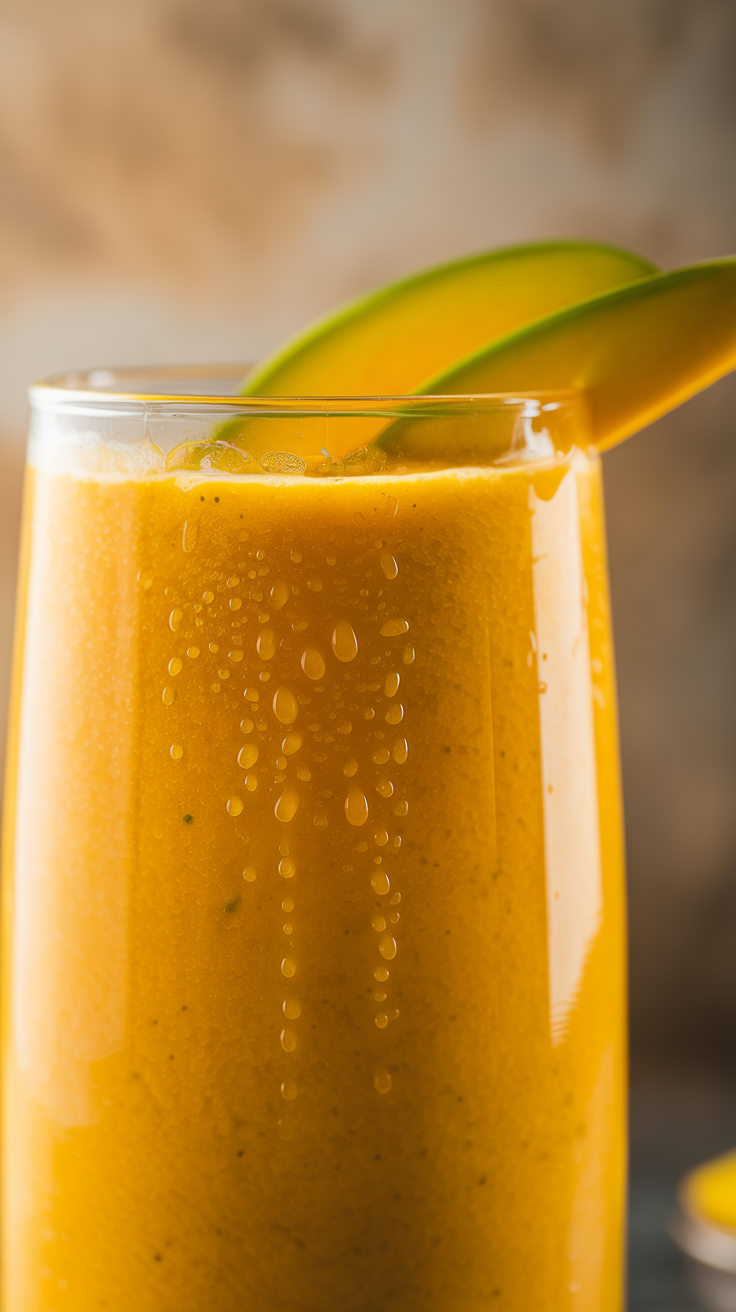
- 1 cup frozen mango chunks
- 1/2 banana
- 3/4 cup Greek yogurt
- 1/2 cup milk of choice
- 2 tablespoons oats
- 1 teaspoon chia seeds
- A few ice cubes if you want it extra cold
Blend until smooth. That’s it. Breakfast is handled.
This version is creamy, naturally sweet, and filling enough to count as a real meal. If you like a thinner smoothie, add more milk. If you like it thick enough to make your blender question your life choices, use less liquid.
Easy upgrades if you want more staying power
A mango smoothie can be light and fruity, but breakfast should do some work too. If you want it to keep you full through meetings, school runs, or whatever chaos your morning throws at you, a few add-ins help a lot.
Add protein
Protein is the big one. Greek yogurt is my favorite because it adds creaminess without making the smoothie taste weirdly chalky. If you prefer, vanilla protein powder works too, especially if you’re trying to make it more substantial.
Add fiber
Oats are low-effort and effective. Chia or ground flaxseeds also work well and barely change the flavor. They just quietly improve the smoothie like little overachievers.
Add greens
Yes, spinach in a mango smoothie sounds suspicious. But mango is so bold and sweet that it covers the flavor easily. You get extra nutrients, the smoothie turns a slightly more “wellness influencer” color, and everyone wins.
Fresh mango or frozen mango?
Frozen mango usually wins for smoothies. It gives you that thick, frosty texture without needing a mountain of ice, which can water everything down. It’s also convenient, since peeling and cutting a fresh mango first thing in the morning can feel oddly personal and offensive.
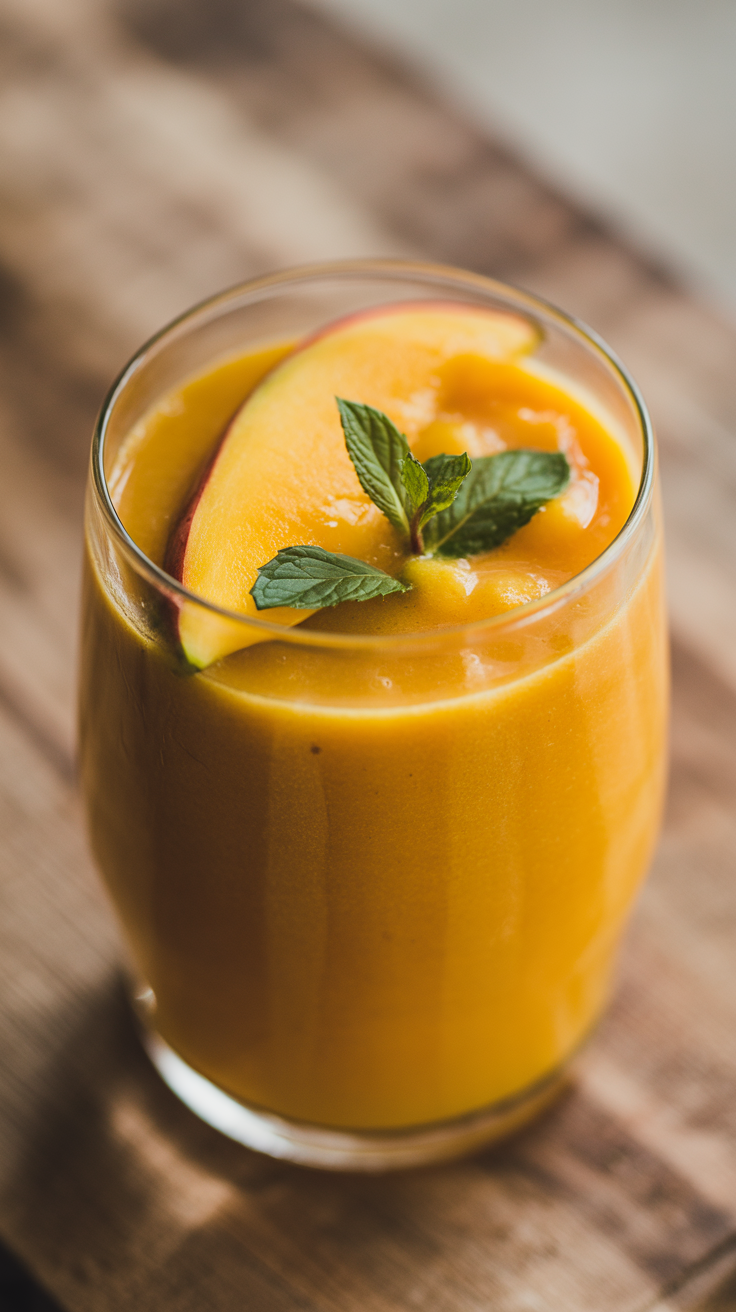
Fresh mango is still great if you have ripe mangoes on hand. Just add a few ice cubes to get the smoothie cold and thick. Use whichever makes your life easier.
Common mistakes that ruin the vibe
A healthy mango smoothie is easy, but a few small mistakes can make it disappointing fast.
Too much sweetener
Mango is already sweet. Banana adds even more sweetness. So before dumping in honey, maple syrup, or juice, taste it first. IMO, most mango smoothies don’t need extra sugar at all.
Not enough protein or fat
If it’s just fruit and liquid, it might taste amazing but won’t keep you full. That’s fine for a snack, not ideal for breakfast. Add yogurt, nut butter, or seeds so you don’t end up raiding the pantry at 10 a.m.
Too much liquid
This one happens all the time. Start with less liquid than you think you need, then add more gradually. A smoothie that’s too thin feels sad, and nobody wants sad breakfast.
Best flavor combos with mango
Mango plays well with a bunch of ingredients, so you can change things up without losing the healthy part.
Some great combinations:
- Mango + banana + Greek yogurt for a classic creamy smoothie
- Mango + pineapple + coconut milk for tropical vacation energy
- Mango + spinach + orange juice for a bright, fresh blend
- Mango + berries + chia seeds for more fiber and a little tang
- Mango + avocado + lime for extra creaminess and a slightly fancy vibe
FYI, mango and ginger also work really well together if you like a little zing in the morning.
FAQ
Is a mango smoothie good for breakfast?
Yes, as long as it includes more than just fruit. Add protein, fiber, and a little healthy fat so it becomes a balanced meal instead of a quick sugar rush.
Can I make a mango smoothie the night before?
You can, but it’s best fresh. If you prep ahead, store it in a sealed jar in the fridge and shake it well before drinking. The texture may separate a bit, but that’s normal.
What protein works best in a mango smoothie?
Greek yogurt is a great choice because it blends smoothly and adds creaminess. Protein powder also works well, especially vanilla or unflavored.
Can I use water instead of milk?
Yes, absolutely. Water keeps it lighter, while milk makes it creamier and more filling. It depends on what texture you want.
Is mango too high in sugar for a healthy smoothie?
Not really. Mango contains natural sugar, but it also provides vitamins and fiber. The key is balancing it with protein and fiber rather than loading the smoothie with more sweet ingredients.
Conclusion
A healthy mango smoothie for breakfast is one of the easiest ways to start the day with something that tastes good and actually helps you feel satisfied. It’s quick, flexible, and way more exciting than dry toast pretending to be a meal. Keep the ingredients balanced, don’t overcomplicate it, and you’ve got a breakfast that earns a repeat spot in your routine.