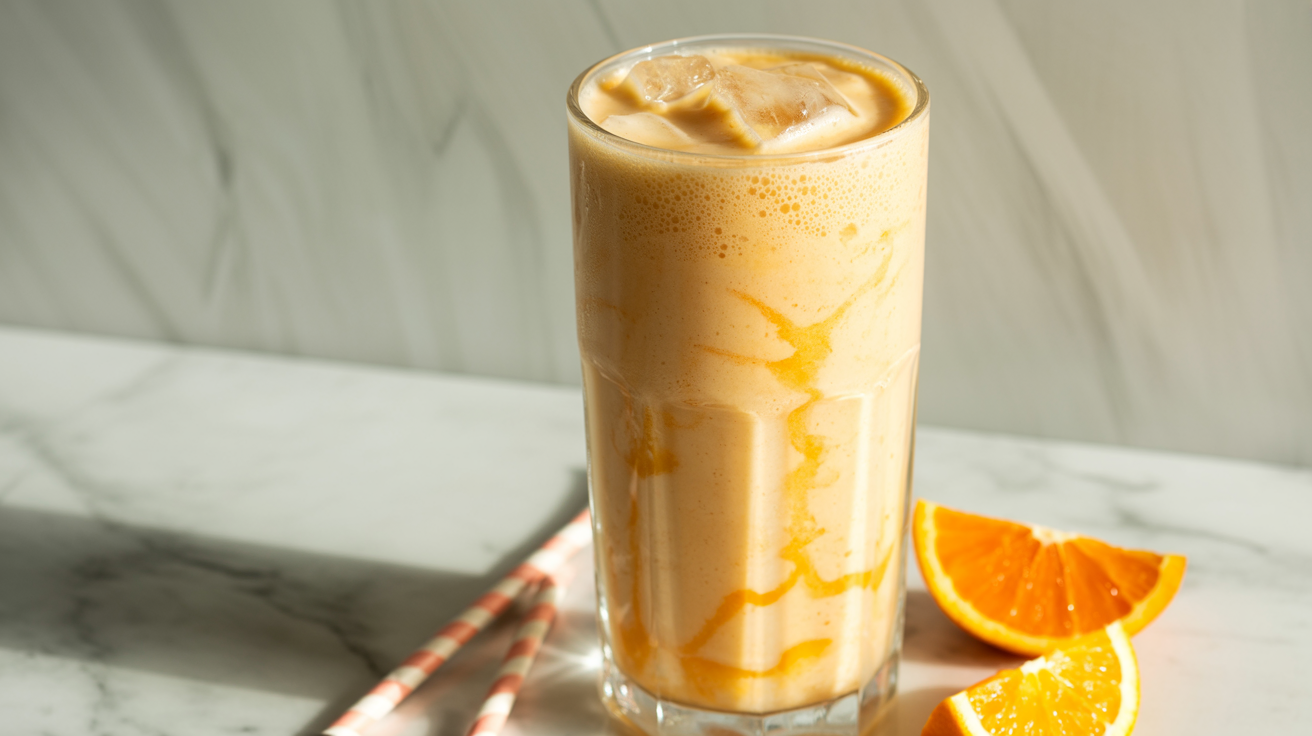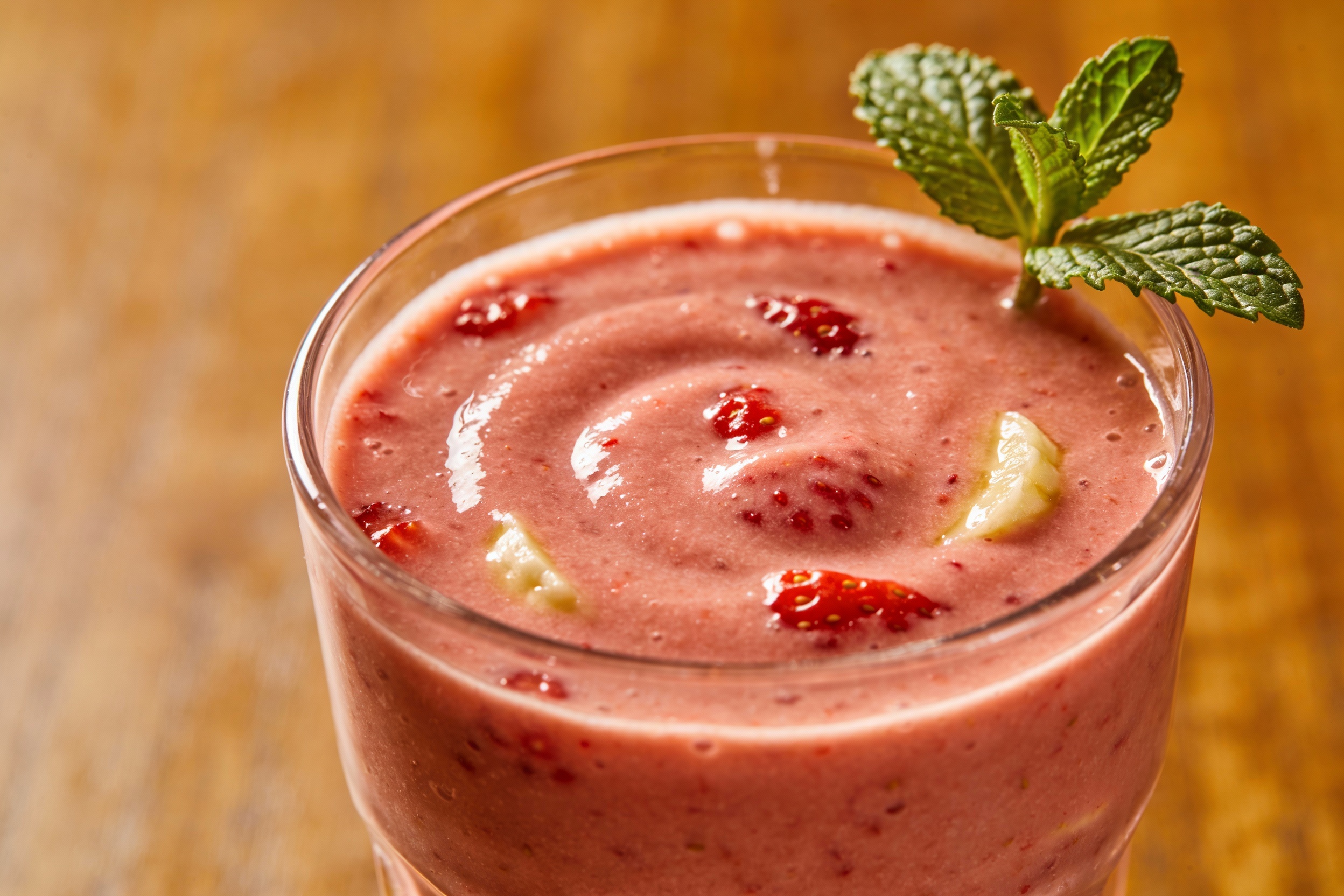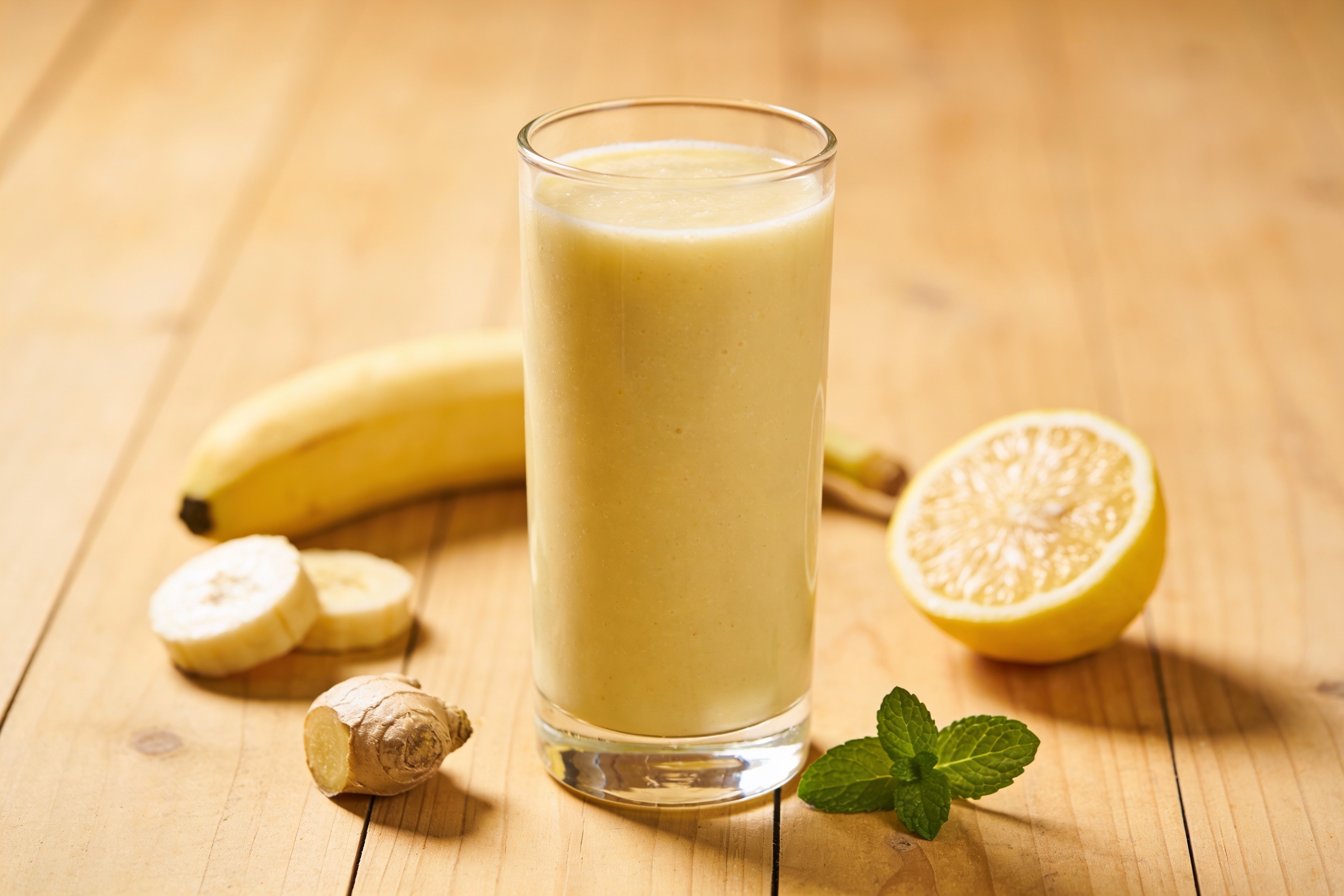
When my stomach feels like it’s narrating a disaster movie, I don’t negotiate with it. I head straight to the blender. I’m not in the mood for heavy meals, complicated recipes, or anything that involves chewing for too long. This is the one smoothie I make when everything feels off—simple, soothing, and sneakily nourishing.
Why This Smoothie Works When Nothing Else Does
When your gut acts up, you want something that calms the chaos—not a sugar bomb disguised as “healthy.” This blend goes easy on digestion and still gives you nutrients. It’s hydrating, gentle, and tastes like a mellow tropical hug.
I designed it to hit three needs: reduce nausea, rehydrate, and avoid irritating ingredients. It’s not a cure-all, but IMO it’s as close to a peace treaty as you’ll get with a temperamental stomach.
The Calm-Down Smoothie: What’s In It
Here’s the exact lineup I use. Keep it flexible—no need to stress if you don’t have everything.
- 1 small ripe banana (fresh or frozen)
- 1/2 cup pineapple (fresh or frozen)
- 1/2 inch fresh ginger, peeled and sliced (or 1/4 tsp ground, if you must)
- 1/2 cup plain kefir or yogurt (dairy or non-dairy with live cultures)
- 1/2 to 3/4 cup coconut water (or plain water if you prefer)
- 1 tsp honey or maple syrup (optional, taste first)
- Pinch of sea salt (trust me—tiny but helpful)
Quick Directions
- Add everything to a blender.
- Blend until smooth. No ice if your stomach hates cold—room temp works.
- Sip slowly. Don’t chug. Your gut likes a gentle approach.
Why These Ingredients Actually Help
Let’s pair the vibes with some logic. No fluff—just what each ingredient brings to the table (or blender).
- Banana: Easy on digestion, adds potassium, and gives the smoothie body without heavy creaminess. BRAT diet vibes, but tastier.
- Pineapple: A tiny hit of bromelain can help with bloating, and the acidity is mild enough to not set your stomach on fire. Also: it makes everything taste happy.
- Ginger: The nausea whisperer. Ginger helps settle queasiness and reduces that “ugh” feeling. Fresh works best.
- Kefir/Yogurt: Provides probiotics to support your gut microbes, which can get cranky after stress, a bug, or a late-night nacho situation. If dairy hates you, grab a coconut or almond version with live cultures.
- Coconut water: Hydration plus electrolytes without tasting like a lab experiment. It keeps things light.
- Honey/Maple: A touch of easily digestible carbs for quick energy. Optional, but nice if you feel weak.
- Sea salt: Just a pinch helps with hydration and can make the sweetness feel balanced. Not enough to turn it into soup—promise.
What I Avoid (Because Regret Is Real)
- Too much fiber: Raw kale, heaps of chia, or flax? Not today. Keep it simple.
- Citrus overload: Lemon and orange can irritate a sensitive stomach for some people.
- Artificial sweeteners: They can cause bloating or gas. Hard pass when you’re delicate.
- Ice-cold blends: Chilling your gut to the core can feel rough. Room temp wins.
Customize It Based on Your Situation
You get to be the boss here. Tweak based on what your stomach complains about.
If You Feel Nauseous
- Double the ginger.
- Skip the yogurt if tanginess turns you off—add extra water or coconut water instead.
- Keep the flavor mild and the texture thin.
If You Feel Dehydrated
- Use a full cup of coconut water.
- Add an extra pinch of salt.
- Skip added sweetener and sip slowly.
If You Feel Bloated
- Use ripe banana and go light on fruit overall.
- Try lactose-free kefir or a dairy-free cultured yogurt.
- A tiny squeeze of fresh mint can help—just a leaf or two.
Timing, Portions, and How to Drink It
Your gut loves routine and pacing. A few rules I follow:
- Portion size: Start with half a serving (about 8 ounces). If you feel okay, finish the rest 20–30 minutes later.
- Speed: Sip, don’t slam. Give your stomach a chance to keep up.
- Temperature: Room temp or slightly cool. I know cold tastes “refreshing,” but your gut might disagree.
- Frequency: Once or twice a day when you feel off. Then switch back to regular meals as soon as you can.
What If You Can’t Do Banana, Dairy, or Pineapple?
No drama—we can swap. The goal stays the same: gentle, hydrating, and low-fuss.
No Banana
- Use 1/2 cup steamed then cooled cauliflower or 1/2 cup cooked white rice for creaminess.
- Add 1/4 avocado for the smooth texture.
No Dairy
- Use coconut yogurt with live cultures or skip it and add 1–2 teaspoons apple cider vinegar for light tang (only if your stomach tolerates it).
- Or add a probiotic capsule (open and sprinkle) if recommended by your doctor—FYI, not medical advice, just an option.
No Pineapple
- Use papaya (great for digestion) or a small amount of ripe mango.
- Add a squeeze of lime only if citrus doesn’t bug you.
Pro Tips From Too Many Upset Stomachs
I’ve tested this smoothie on work stress, questionable street tacos, and jet lag. Here’s what I learned.
- Peel and freeze ginger in coins. Toss in a few pieces anytime—no chopping, no excuses.
- Keep coconut water in the fridge for emergencies. Hydration = faster recovery, IMO.
- Blend longer than you think to get it silky. Chunky smoothies and cranky guts do not mix.
- Rest after drinking for 10–15 minutes. Let your stomach settle before you move on with life.
- Pair with dry foods if needed: a few plain crackers or toast on the side can help.
FAQ
Can I make this ahead of time?
You can, but fresh works best. If you prep ahead, store it in a sealed jar for up to 24 hours and shake before sipping. The texture can thicken as it sits—add a splash of water or coconut water to loosen it.
Is this okay for a queasy morning after a night out?
Yes. The coconut water, banana, and pinch of salt help with hydration and electrolytes. Ginger helps with nausea. Maybe also… water and a nap? Just saying.
What if I don’t tolerate probiotics when my stomach feels off?
Skip the kefir/yogurt and use plain water or coconut water with a little avocado for creaminess. Some people do better with probiotics once things calm down. Listen to your gut—literally.
Can I add protein powder?
If your stomach handles it, sure. Choose an unflavored collagen or a very simple whey isolate or pea protein. Start with half a scoop. If you feel heavy or bloated afterward, skip it until you feel normal again.
Will this help with acid reflux?
It might, but it depends on your triggers. Use less pineapple, skip citrus, and keep the smoothie room temp. If reflux flares easily, try banana, ginger, and water only, then add other ingredients slowly.
What if I’m dealing with a stomach bug?
Focus on hydration first: water, coconut water, broths. When you can tolerate more, try a small portion of this smoothie without dairy and without added sweeteners. If symptoms persist, call your healthcare provider—no heroics.
Bottom Line
When my stomach protests, I don’t argue—I blend this calm-down smoothie and give it space to reset. It’s gentle, hydrating, and flexible enough to work with whatever your gut can handle today. Keep it simple, keep it soothing, and FYI, you’re allowed to baby yourself a little. Your stomach will thank you later.