Best Smoothie for a Flat Stomach Feeling
Want a smoothie that helps you feel flatter, lighter, and less like your stomach is staging a tiny rebellion? Good news: the “best” smoothie for a flat stomach feeling isn’t about magic fat-burning fairy dust. It’s about choosing ingredients that support digestion, reduce bloat, and leave you satisfied without that heavy, overstuffed feeling.
And yes, a smoothie can absolutely help—if you build it right. If you toss in five kinds of fruit, sweetened yogurt, and a scoop of mystery powder, well… that’s a dessert in activewear.
What actually helps create a flat stomach feeling?
Let’s get one thing out of the way: no smoothie can instantly melt belly fat. Anyone promising that is selling fantasy with a side of chia seeds.
What a good smoothie can do is help you feel less bloated and more comfortable. That usually comes down to a few things: easy-to-digest ingredients, enough fiber to keep things moving, hydration, and avoiding the usual bloat triggers like too much sugar or dairy for people who don’t tolerate it well.
The goal is simple. You want a smoothie that feels light but still keeps you full. Not a sugar bomb. Not a gut grenade.
The best smoothie combo for a flatter, lighter feeling
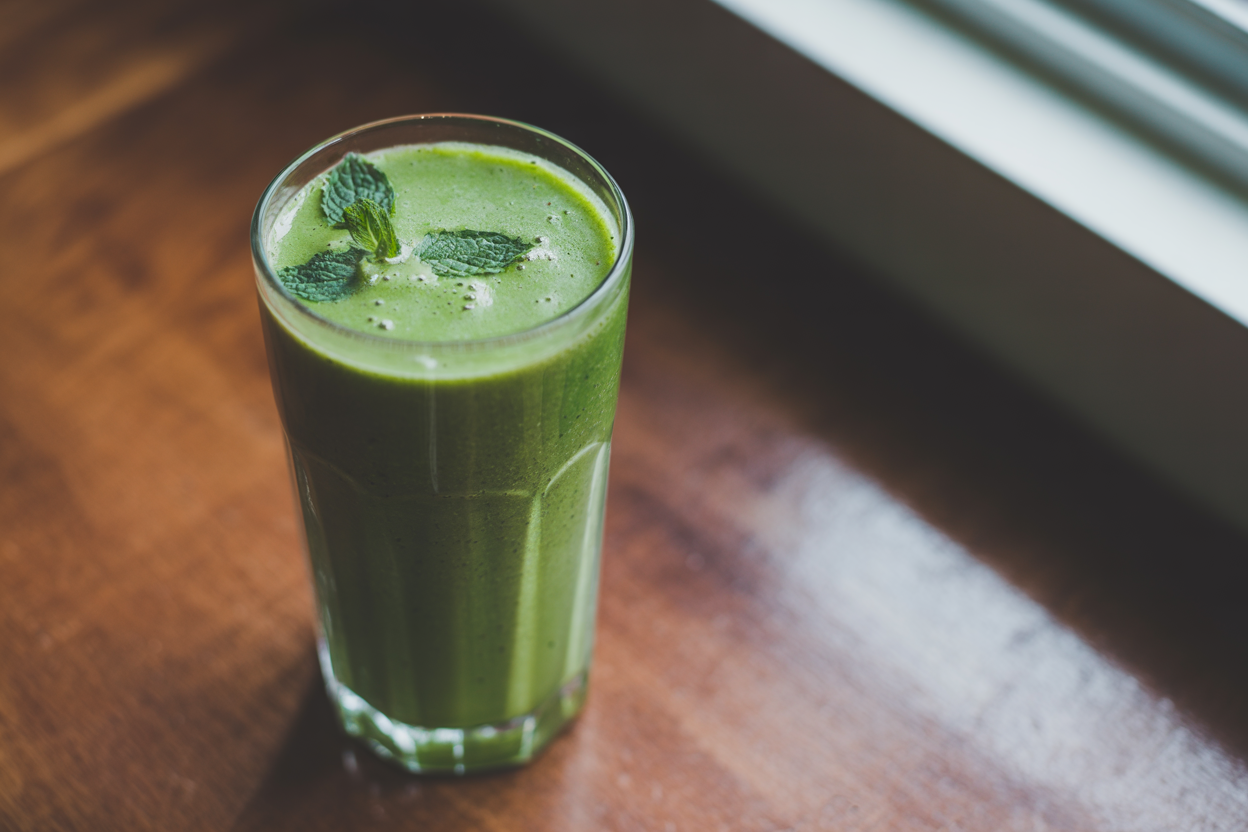
If I had to pick one go-to smoothie for that flat stomach feeling, this would be it:
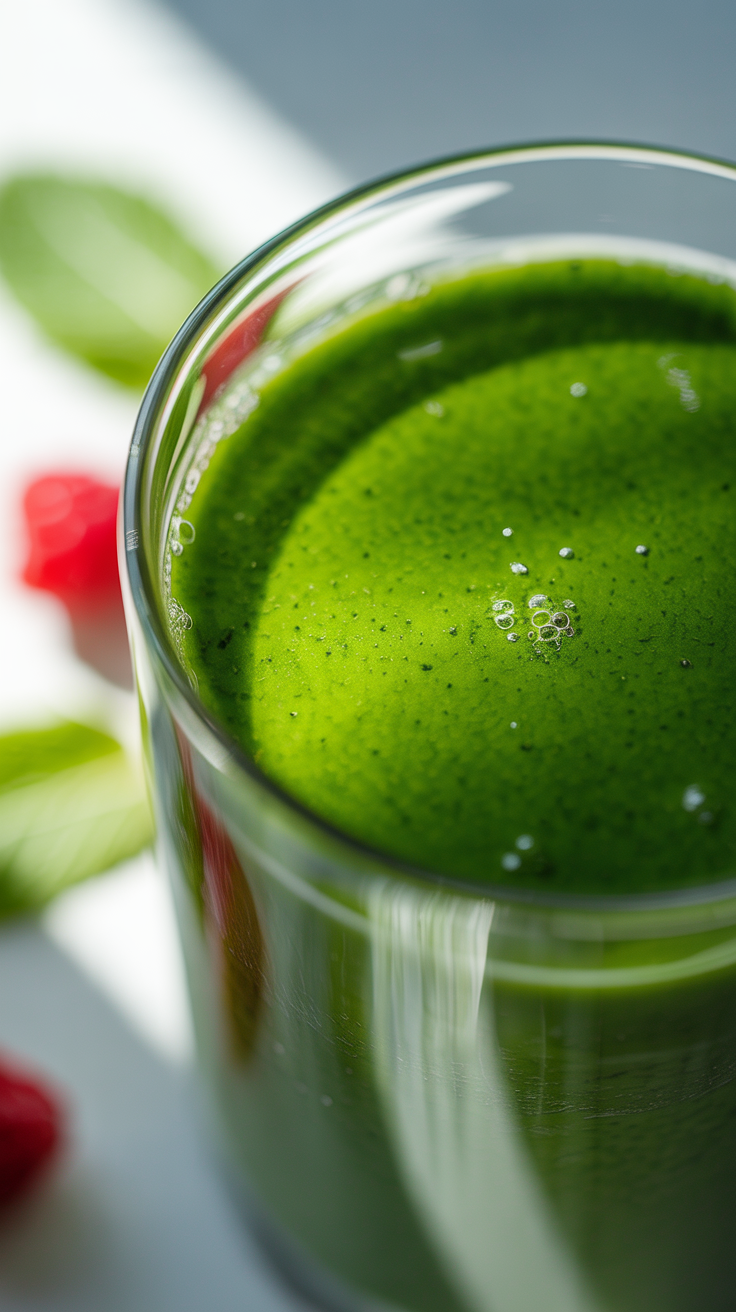
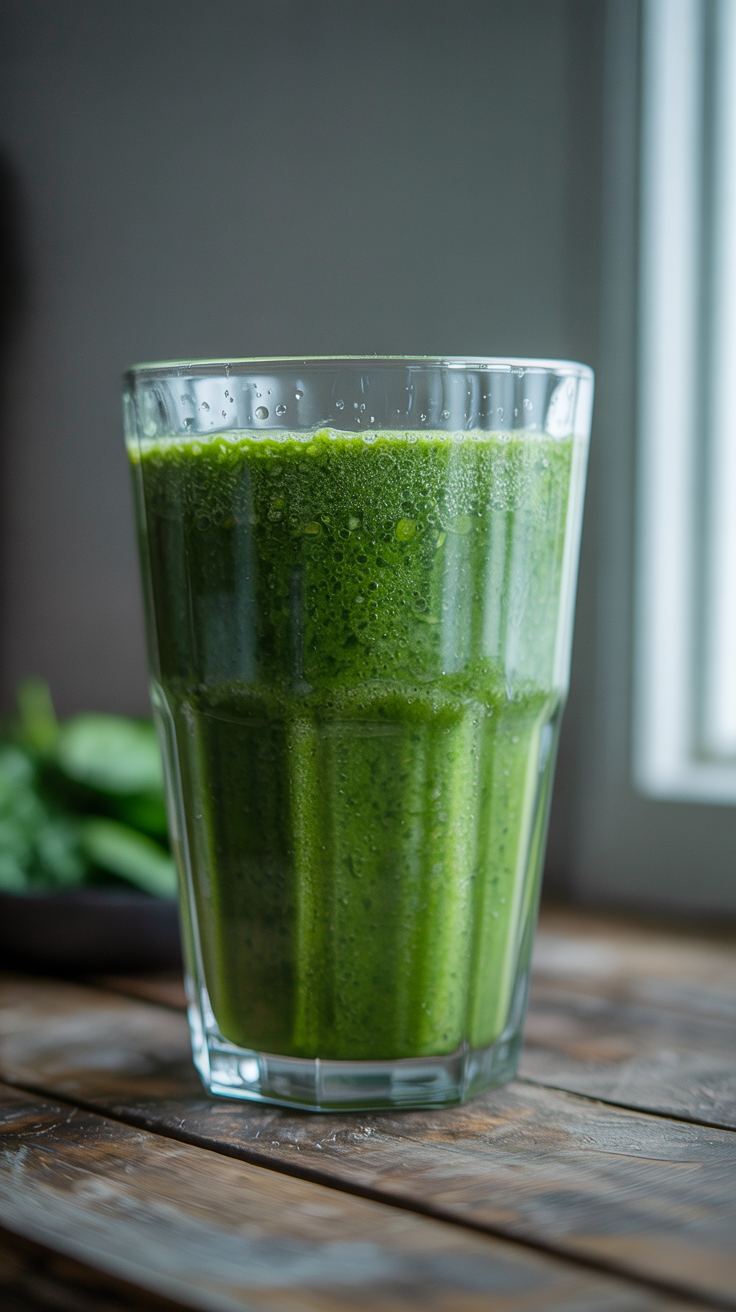
The Flat Stomach Feeling Smoothie
Ingredients:
- 1 cup unsweetened almond milk or coconut water
- 1 cup spinach
- 1/2 cucumber, peeled if preferred
- 1/2 frozen banana
- 1/2 cup pineapple
- 1 tablespoon chia seeds
- 1 teaspoon fresh grated ginger
- Juice of 1/2 lemon
- A few ice cubes
Optional add-ins:
- Fresh mint leaves
- 1 scoop plain or vanilla protein powder
- 1/4 avocado for extra creaminess
Blend until smooth and drink slowly. Yes, slowly. Chugging a smoothie in 90 seconds kind of defeats the calm-your-stomach vibe.
Why these ingredients work so well
This combo isn’t random. Each ingredient earns its spot.
Spinach keeps it light
Spinach gives you fiber and nutrients without making the smoothie heavy. It blends easily and doesn’t scream “I am a salad” when paired with fruit. That’s a win.
Cucumber helps with hydration
Cucumber is mostly water, which can help you feel refreshed and less puffy. It also adds volume without adding a ton of calories or sugar. Basically, it’s the chill friend in the blender.
Pineapple brings digestive support
Pineapple contains bromelain, an enzyme often linked to digestion support. It also adds natural sweetness, so you don’t need juice or syrups. IMO, it’s one of the best fruits for smoothies when you want that fresh, clean taste.
Banana adds creaminess without going overboard
A little banana makes the smoothie creamy and satisfying. The key phrase here is a little. Too much can turn your “light and energizing” drink into a thick fruit pudding.
Chia seeds add fiber
Chia seeds can help support digestion and keep you fuller longer. They absorb liquid, so they also give the smoothie a nice texture. Just don’t dump in half the bag and expect your stomach to applaud.
Ginger and lemon are the secret weapons
Ginger is famous for helping with nausea and digestion, and it can be great for that “ugh, I feel bloated” moment. Lemon adds brightness and can make the smoothie feel extra refreshing. Together, they do a lot of heavy lifting in the flavor department too.
What to avoid if you want less bloat
Sometimes the problem isn’t what you need to add. It’s what you need to stop throwing in.
A few ingredients can make a smoothie feel way heavier than necessary:
- Fruit juice
- Sweetened yogurt
- Large amounts of dairy if you’re sensitive to it
- Too many high-sugar fruits at once
- Sugar alcohols and artificial sweeteners for some people
FYI, “healthy” smoothie shop drinks can be sneaky. Some are basically milkshakes wearing a wellness hat.
Best time to drink it
This smoothie works best when you want to feel good, not stuffed. Morning is a great option, especially if you wake up feeling sluggish or puffy.
It also works well as a light lunch or post-workout snack if you add some protein. If your smoothie has zero protein or healthy fat, you might be hungry again in 37 minutes, which is annoying for everyone involved.
A few simple tricks to make it even better
Use frozen fruit instead of adding lots of ice. It keeps the smoothie thick without watering down the flavor.
Start with smaller portions of fiber-rich ingredients if your stomach is sensitive. More fiber is not always better in one giant gulp.
And honestly? Drink it regularly if it works for you. One smoothie won’t transform your life overnight, but consistent habits usually beat dramatic one-day health kicks.
FAQ
Can a smoothie really flatten your stomach?
Not in the “instant abs by lunchtime” sense, no. But it can help reduce bloating, improve digestion, and leave you feeling lighter, which creates that flatter stomach feeling.
Is this smoothie good for weight loss too?
It can be, depending on your overall diet. It’s relatively light, full of whole-food ingredients, and can keep you satisfied without piling on extra sugar.
Can I use regular milk instead of almond milk?
Yes, if you tolerate dairy well. But if dairy tends to make you feel bloated, a non-dairy base may work better.
What protein powder is best to add?
A simple one with minimal added sugar is best. Whey works for some people, but if it upsets your stomach, try pea or collagen protein instead.
How often can I drink this smoothie?
Daily is fine for most people, especially as part of a balanced diet. Just keep your ingredients varied over time so you’re not living on spinach and pineapple forever.
Conclusion
The best smoothie for a flat stomach feeling is one that supports digestion, keeps sugar in check, and doesn’t leave you weirdly full. A mix of spinach, cucumber, pineapple, ginger, lemon, and chia hits that sweet spot really well. Keep it simple, pay attention to how your body responds, and skip the smoothie chaos. Your stomach will probably thank you.