Green Smoothie for Weight Loss That’s Actually Drinkable
You want a green smoothie that helps with weight loss, not a blender full of lawn clippings pretending to be breakfast. Fair. The problem isn’t green smoothies themselves—it’s the way people make them. Too much kale, not enough balance, and suddenly you’re chewing your drink while questioning your life choices.
The good news? A green smoothie can actually taste good, keep you full, and support weight loss without feeling like punishment. You do not need to suffer for your spinach.
Why most green smoothies taste awful
Let’s be honest: a lot of “healthy” smoothies are aggressively healthy. They throw in three cups of bitter greens, half a lemon peel, chia seeds, flax, ginger, turmeric, and maybe a twig for texture. Then people wonder why it tastes like regret.
If you want a smoothie you’ll actually drink consistently, it needs balance. That means greens, yes, but also sweetness, creaminess, and enough protein or fiber to make it satisfying. Weight loss works a lot better when your breakfast doesn’t make you immediately crave a muffin.
What makes a green smoothie good for weight loss?
A weight-loss-friendly smoothie should do three things: fill you up, keep calories reasonable, and not send your blood sugar on a roller coaster. That’s the sweet spot.
Here’s what helps:
- Greens for volume and nutrients
- Protein to keep you full longer
- Fiber to slow digestion and support satiety
- A little fruit for flavor, not a full fruit salad
- Healthy fat in a small amount for creaminess and staying power
The goal is not to make the lowest-calorie smoothie possible. That usually ends with you raiding the pantry an hour later. The goal is to make something satisfying enough that you don’t need a “small snack” that somehow turns into chips and peanut butter straight from the jar.
The formula for a drinkable green smoothie
IMO, the easiest way to make a green smoothie taste good is to follow a simple formula instead of winging it and hoping for the best.
1. Pick a mild green
Start with spinach. It’s the least offensive, which is exactly what we want here. It blends easily and doesn’t slap you in the face with bitterness.
You can use kale, but go easy. A little kale adds nutrition. Too much kale makes your smoothie taste like a wellness challenge.
2. Use frozen fruit strategically
Frozen banana is the MVP if you want creamy texture and natural sweetness. Half a banana is usually enough.
You can also use frozen mango, pineapple, or berries. Keep it to about 1 cup total fruit, and less if you’re watching calories closely. This is a smoothie, not dessert in a cup wearing a health halo.
3. Add protein
Protein is what turns a green smoothie from “nice beverage” into an actual meal. Good options include:
- Greek yogurt
- Protein powder
- Cottage cheese
- Silken tofu
Aiming for 20 to 30 grams of protein is smart if you’re using it as breakfast or lunch. It makes a big difference in how full you feel.
4. Add a little healthy fat or fiber
This is where you boost the staying power. Try one of these:
- 1 tablespoon chia seeds
- 1 tablespoon ground flaxseed
- 1 tablespoon almond butter
- 1/4 avocado
Not all of them at once unless you’re trying to make pudding.
5. Use the right liquid
Unsweetened almond milk works great. So does regular milk, soy milk, or even water if the other ingredients are flavorful enough.
Coconut water sounds fancy, but it can add extra sugar without much benefit. FYI, simple usually wins.
A green smoothie recipe that actually tastes good
Here’s a solid go-to recipe that checks all the boxes: drinkable, filling, and helpful for weight loss.
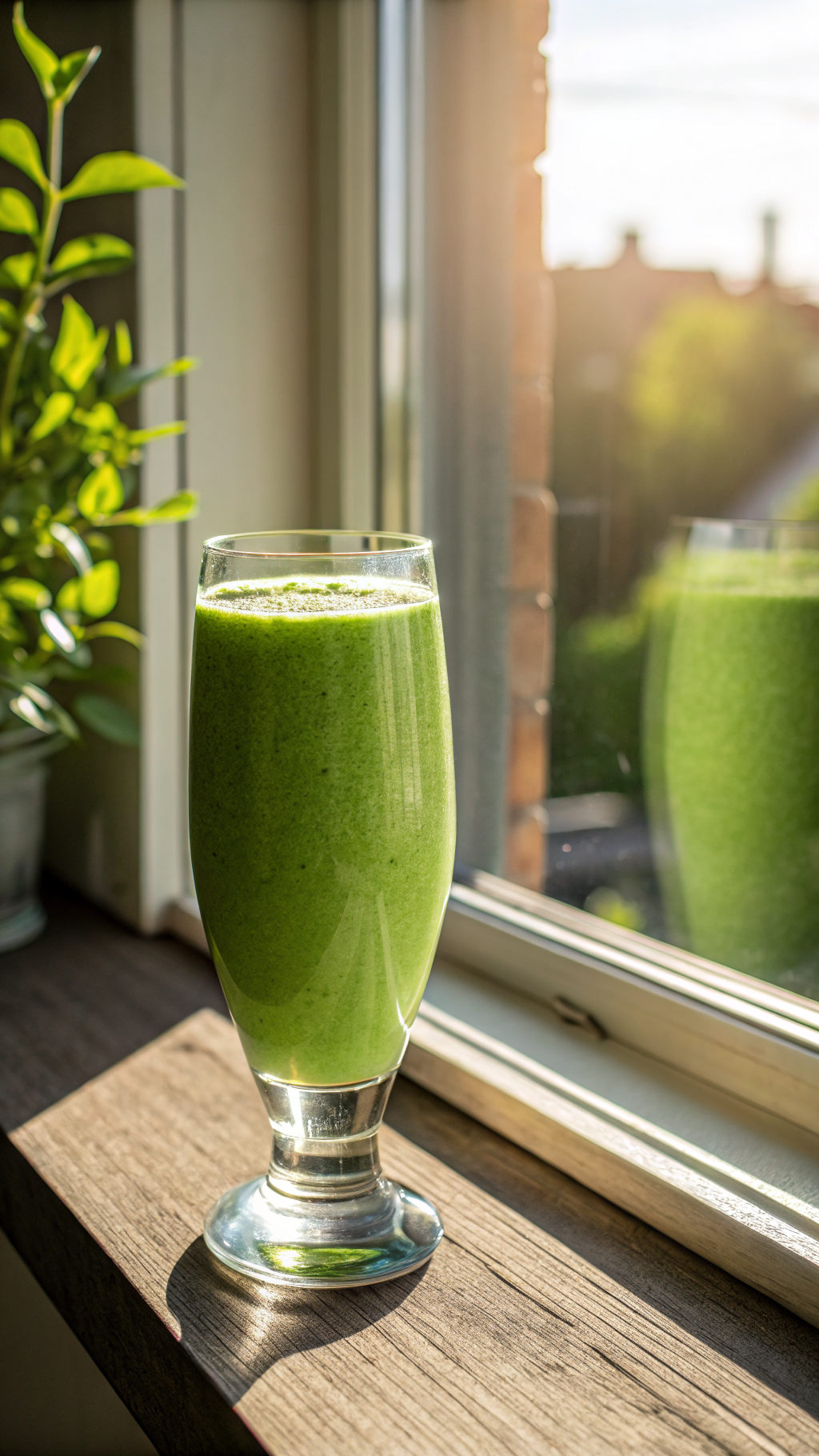
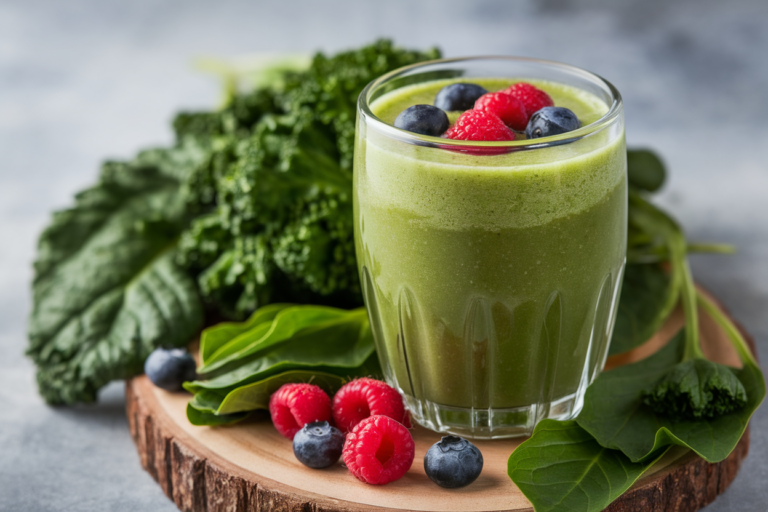
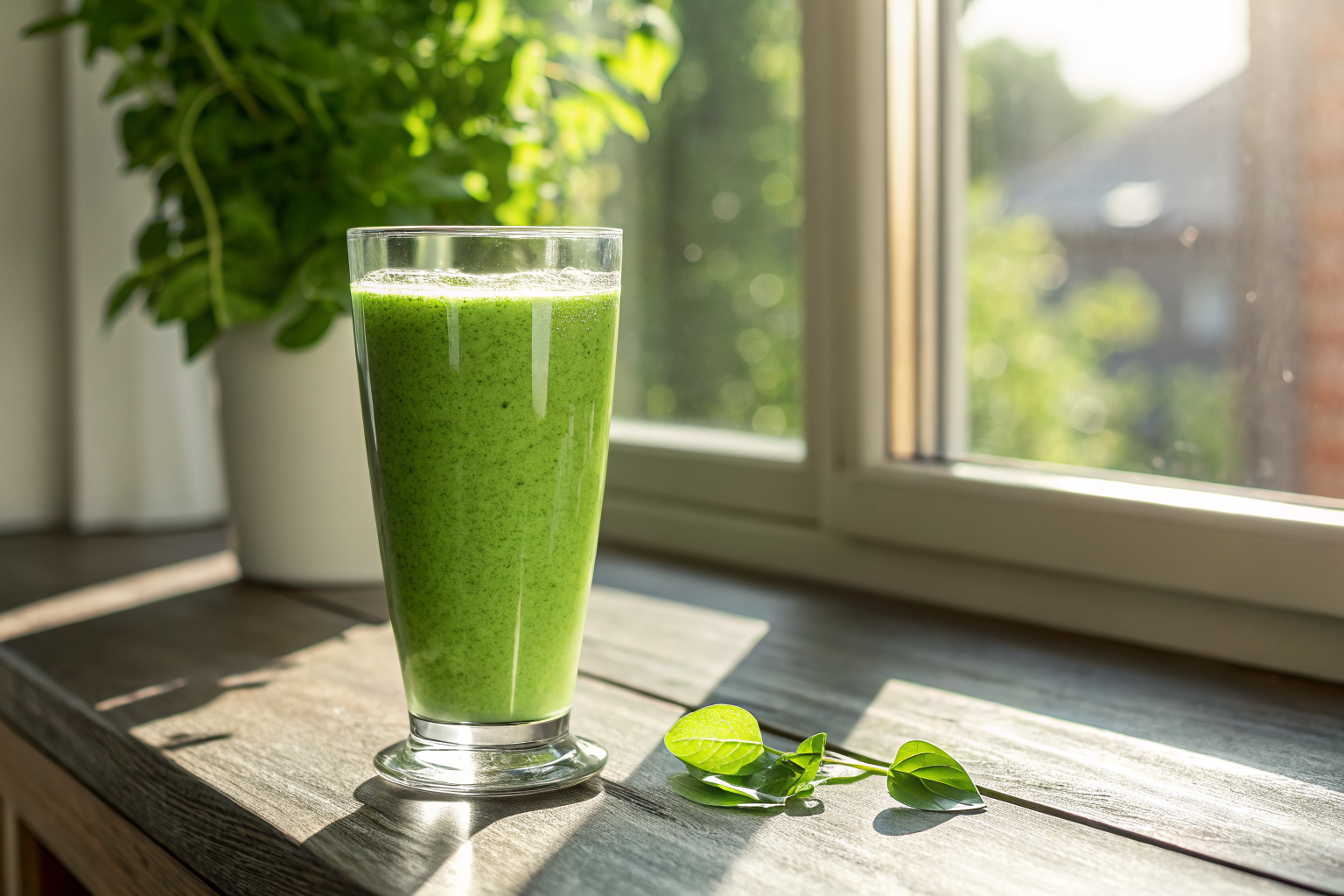
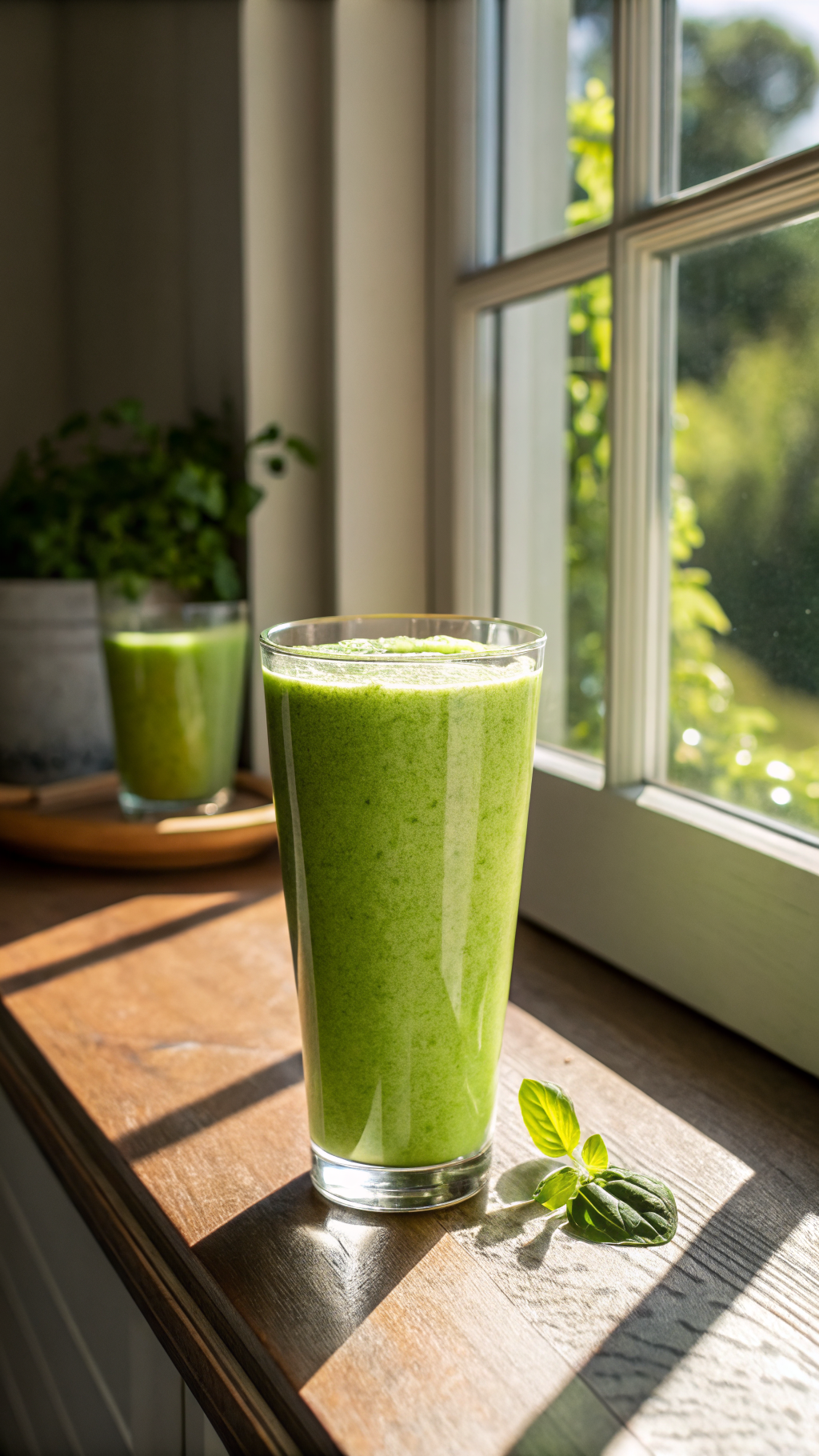
The Actually Drinkable Green Smoothie
Ingredients:
- 1 to 2 cups fresh spinach
- 1/2 frozen banana
- 1/2 cup frozen mango
- 3/4 cup unsweetened almond milk
- 1/2 cup plain Greek yogurt
- 1 tablespoon chia seeds
- 1/2 teaspoon vanilla extract
- Ice, if needed
How to make it: Add the liquid first, then spinach, then the rest. Blend until smooth. If it’s too thick, add a splash more milk. If it tastes too “green,” add a little more banana or vanilla.
This lands in the zone of creamy, lightly sweet, and fresh. Not swampy. Not weird. Just good.
Easy upgrades if you get bored
Drinking the same smoothie every day gets old fast. Even good smoothies can start feeling like a chore.
Try these swaps:
- Replace mango with pineapple for a brighter flavor
- Add cinnamon for warmth
- Toss in fresh mint for a cleaner taste
- Use vanilla protein powder instead of yogurt
- Add cucumber for extra volume and freshness
Just don’t go full chaos mode and add six “superfoods” at once. That’s how you end up with a smoothie that tastes expensive and bad.
Common mistakes that sabotage weight loss
A green smoothie can support weight loss, but it can also quietly become a calorie bomb. Sneaky little thing.
Watch out for these:
Too much fruit
Fruit is healthy, yes. But three bananas, a cup of pineapple, and dates? That’s basically a tropical milkshake.
No protein
If it’s just fruit and spinach, you’ll be hungry again way too soon.
Giant portions
Even healthy smoothies count. If your smoothie needs a ladle and comes in a bucket-sized mason jar, maybe rein it in.
Hidden extras
Nut butters, honey, granola, coconut flakes—these add up fast. A little is fine. A lot is “why am I not losing weight?”
FAQ
Can I drink a green smoothie every day for weight loss?
Yes, if it fits into your overall calorie needs and includes enough protein and fiber. Daily can work well, especially as a quick breakfast or lunch.
What’s the best green to use if I hate the taste?
Spinach, hands down. It’s mild, easy to blend, and doesn’t overpower everything else.
Should I use water or milk?
Either works. Milk or unsweetened plant milk usually tastes better and can make the smoothie creamier and more filling.
Can I make it ahead of time?
Yes, but it’s best fresh. If you make it ahead, store it in the fridge and drink it within 24 hours. Give it a good shake because separation happens.
Is a green smoothie better than eating a full breakfast?
Not always. It depends on what’s in it. A well-built smoothie can absolutely be a solid breakfast, but a thin fruit-only one probably won’t cut it.
Conclusion
A green smoothie for weight loss doesn’t need to taste like blended punishment. Keep it simple, balance the greens with fruit and protein, and focus on making it satisfying enough to actually help. Because the best smoothie for weight loss is the one you’ll drink consistently—without making that tragic “healthy but sad” face after every sip.