
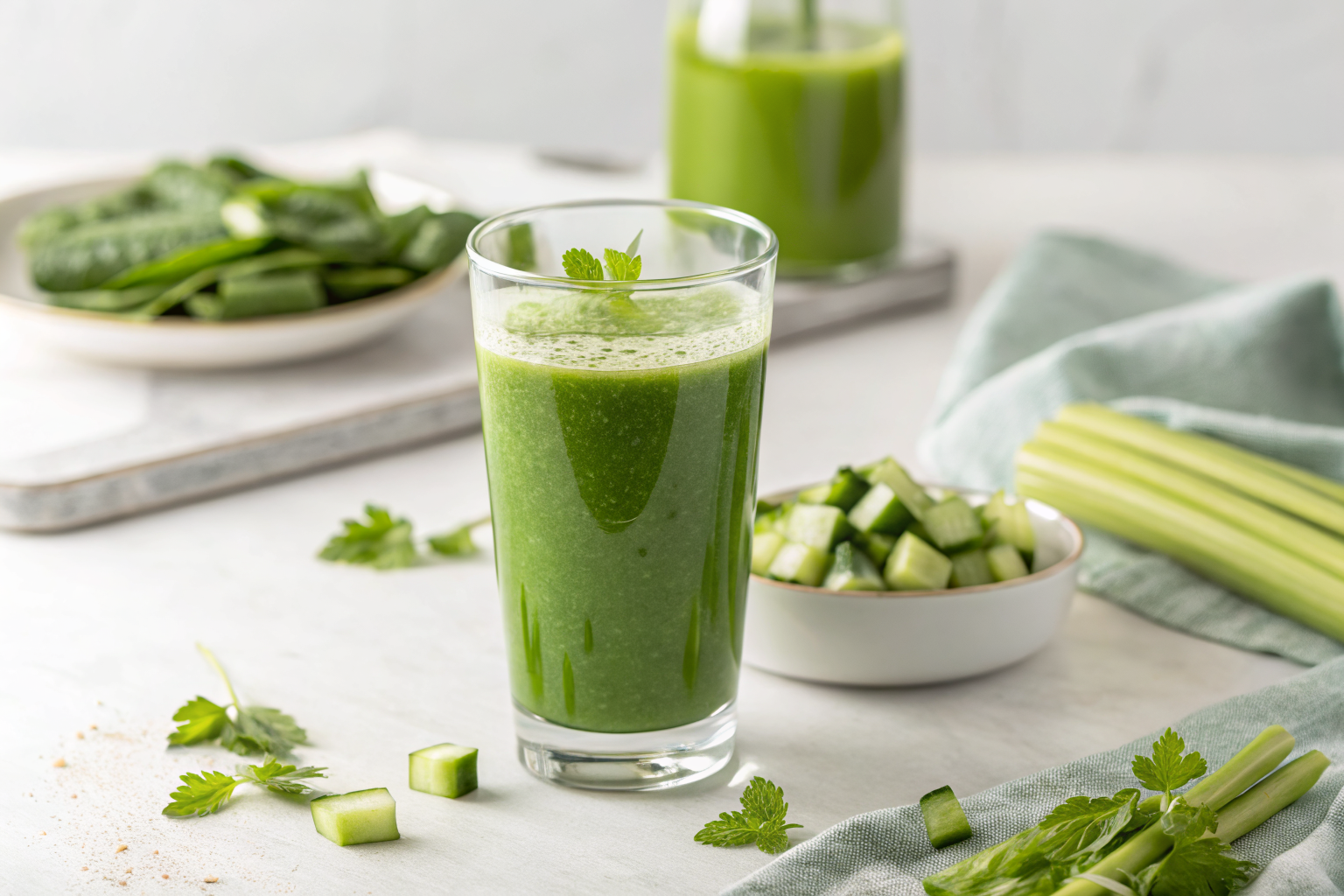
If your stomach has been acting dramatic lately, green juice can be a surprisingly simple reset. Not a magic fix, not a detox fantasy, just a clean, easy way to give your gut some extra support. The trick is making it work for digestion instead of turning it into a swampy glass of random vegetables. Good green juice should feel fresh, light, and actually drinkable.
Why green juice can help your gut
Let’s clear one thing up first: gut health is not about chasing perfection. It’s about helping your digestive system do its job without making it fight for its life every time you eat lunch.
Green juice can support that in a few useful ways. It gives you hydration, which your gut absolutely loves. It can also deliver easy-to-digest nutrients from greens, herbs, and low-sugar fruits without the heaviness of a full meal.
Some ingredients may help with bloating or digestion too. Think cucumber for hydration, ginger for that warm stomach-soothing effect, mint for calming things down, and lemon for brightness that makes everything taste less like lawn clippings.
That said, juice is not the same as eating whole vegetables. When you juice, you lose most of the fiber, and fiber is one of the biggest players in gut health. So IMO, green juice works best as a helper, not a replacement for salads, cooked veggies, beans, or the boring but essential basics.
The secret: keep it simple
A lot of people ruin green juice by trying to make it “extra healthy.” Suddenly it has kale, celery, parsley, spinach, turmeric, apple cider vinegar, spirulina, chia seeds, and emotional damage. Your gut did not ask for all that.
For gut-friendly juice, simple is better. Too many strong ingredients can irritate your stomach or just taste aggressively healthy, which is not the vibe.
A cleaner formula usually includes:
- one or two greens
- one hydrating base
- one digestive booster
- a little acid or fruit for balance
That’s it. No need to build a chemistry project.
Best ingredients for a clean, gut-friendly green juice
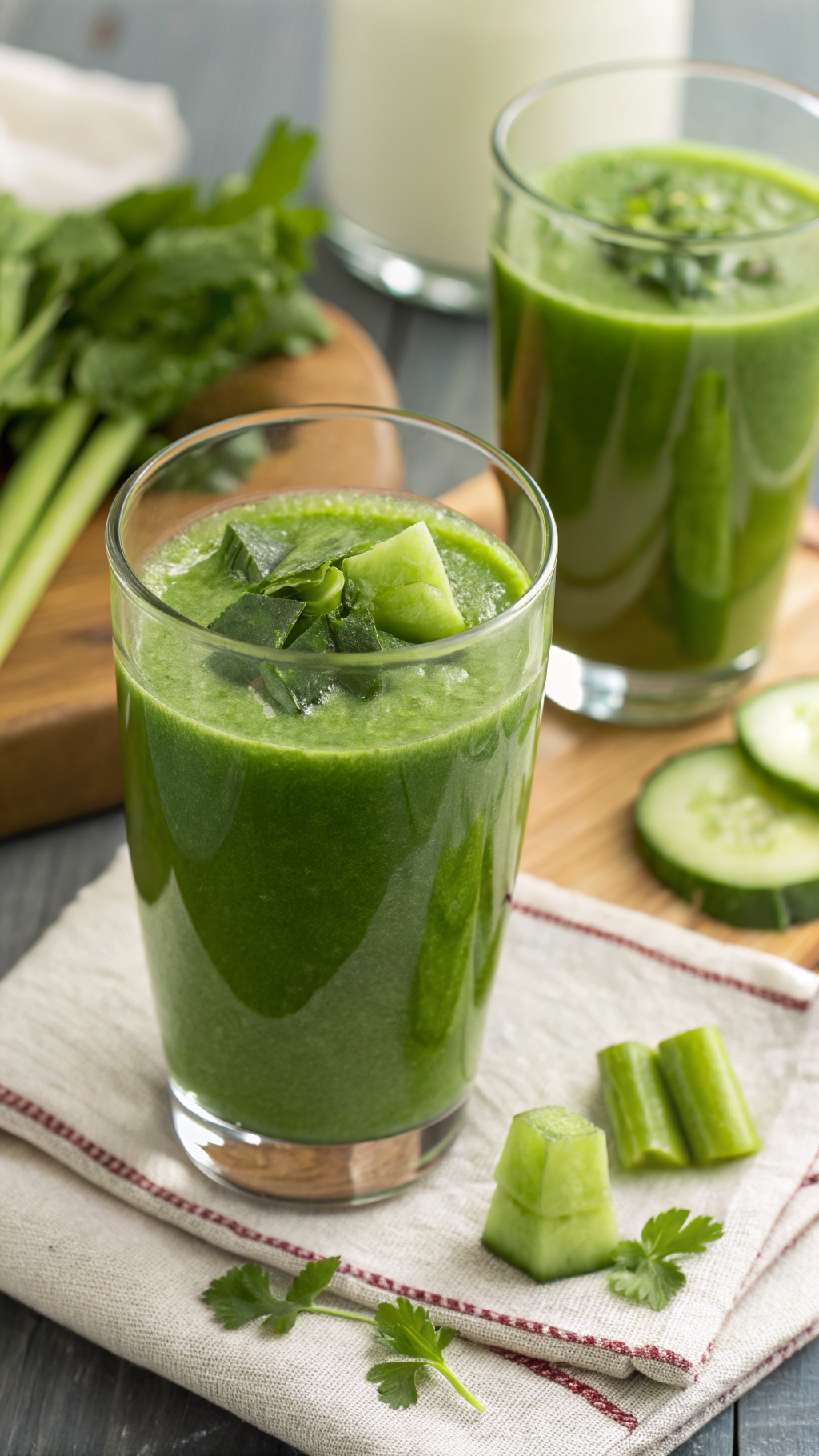
Cucumber
This is the MVP. Cucumber is mild, hydrating, and easy on the stomach. It gives juice that crisp, clean taste that makes the whole thing feel refreshing instead of punishing.
Celery
Celery is popular for a reason. It adds minerals, a fresh savory note, and plenty of water. Some people swear by straight celery juice, but honestly, blending it with other ingredients is often a lot easier on both your taste buds and your willingness to continue.
Spinach or romaine
If you want greens without bitterness, start here. Spinach is soft and mild. Romaine is underrated and gives a light, fresh flavor that feels very “I have my life together,” even if you absolutely do not.
Ginger
A little goes a long way. Ginger can help with nausea, sluggish digestion, and that annoying heavy feeling after eating. Use a small knob, not half the root, unless you want your throat to feel personally attacked.
Mint
Mint is a nice touch if your stomach feels unsettled or bloated. It makes the juice taste brighter and cleaner too. Very little effort, very high return.
Lemon or green apple
You need something to pull the flavors together. Lemon adds zing without much sugar. Green apple gives a little sweetness and makes the whole drink more approachable. If you’re trying to keep sugar low, go easy on the apple.
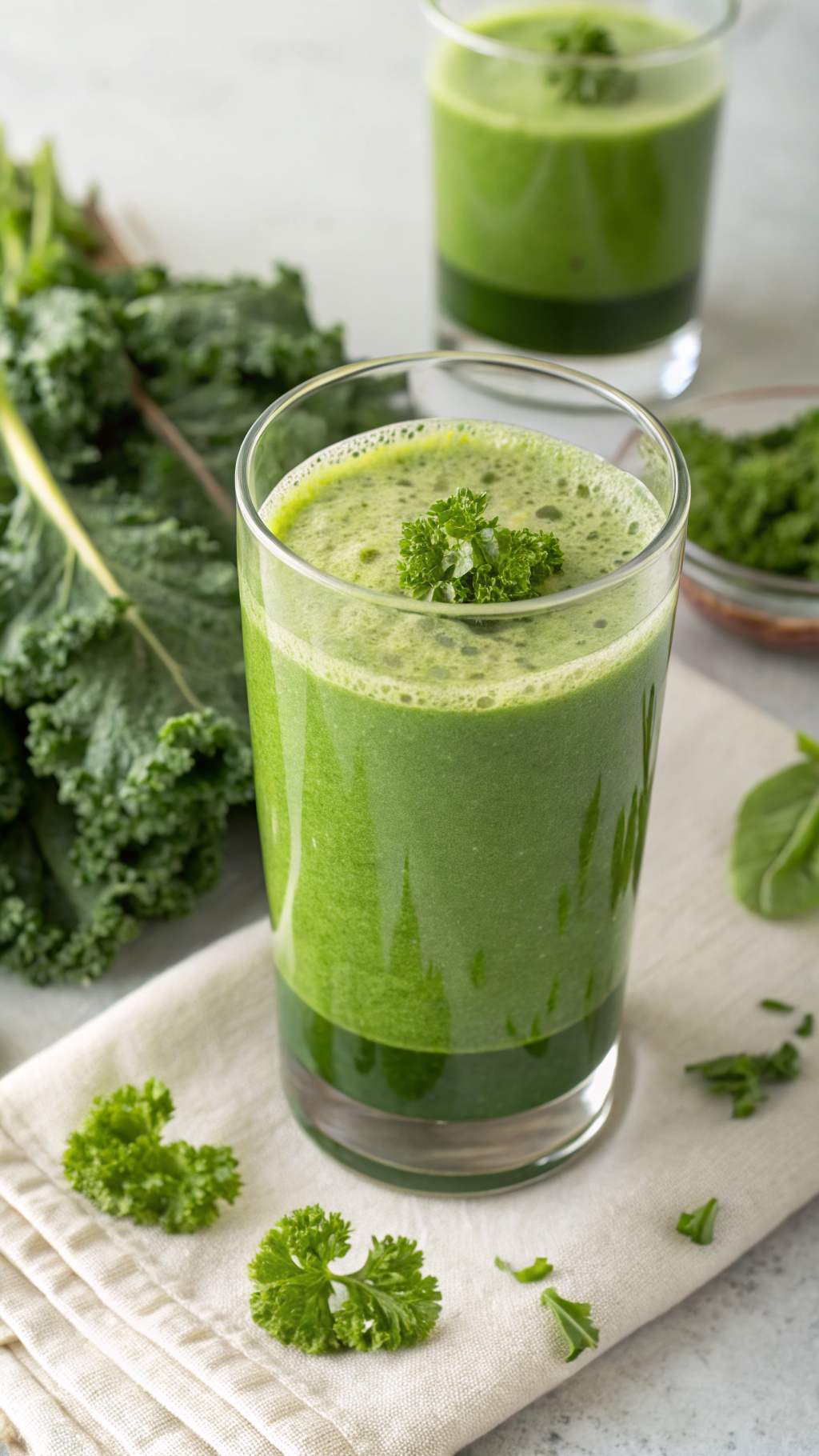
A simple green juice recipe that actually tastes good
Here’s a basic combo that feels clean and easy on the gut:
- 1 cucumber
- 2 celery stalks
- 1 big handful of spinach
- 1 small piece of ginger
- 5 to 6 mint leaves
- juice of 1/2 lemon
- 1/2 green apple, optional
Run everything through a juicer. If you’re using a blender, add a splash of water, blend well, and strain if you want a smoother texture.
Drink it cold. It tastes best fresh, and yes, that matters. Green juice left in the fridge too long starts tasting like it has secrets.
When to drink it for the best results
For a lot of people, green juice works well first thing in the morning or between meals. It can feel lighter than coffee on an empty stomach, especially if your gut has been a little moody.
If you have a sensitive stomach, don’t chug it like you’re in a wellness montage. Sip it slowly and see how you feel. Ginger and lemon can be great, but for some people they’re a bit intense first thing.
Also, green juice is not a meal. It’s a sidekick. Pair it with real food during the day so your body gets protein, fiber, and enough substance to function like a normal human.
A few mistakes that can backfire
One common mistake is adding too much fruit. Sure, pineapple and mango make juice taste amazing, but if your goal is gut support, a sugar bomb may not be your best move.
Another issue is overdoing raw cruciferous vegetables like kale if your digestion is already sensitive. Kale is healthy, yes, we know, it has excellent PR. But in juice form, too much can be harsh for some people.
And then there’s the “detox” mindset. Your liver and kidneys already have that covered, FYI. Green juice can support healthy habits, but it does not erase three nights of takeout and stress scrolling.
FAQ
Is green juice good for bloating?
It can be, especially if it includes hydrating ingredients like cucumber and soothing ones like ginger or mint. But it depends on what’s causing the bloating. If certain raw greens upset your stomach, keep the recipe very mild.
Should I use kale or spinach?
For gut health, spinach is usually the easier starting point. It’s gentler in flavor and often gentler on digestion. Kale works for some people, but it can be a bit much if your stomach is already irritated.
Can I drink green juice every day?
Yes, in moderation. A small daily glass can fit into a healthy routine, especially if you keep the ingredients simple and low in sugar. Just don’t use it as a substitute for whole vegetables and fiber-rich foods.
Is juicing better than blending for gut health?
Not automatically. Juicing removes fiber, which makes it easier to digest but less helpful for feeding your gut bacteria. Blending keeps the fiber, so smoothies often offer more long-term gut support.
What if green juice makes my stomach feel weird?
That’s a sign to simplify. Cut back on strong ingredients like ginger, lemon, or bitter greens. Try cucumber, celery, and a little mint first, then build from there.
Conclusion
Green juice for gut health does not need to be complicated, expensive, or weirdly intense. The best version is usually the simplest one: hydrating, mild, and easy to drink without making you question your choices. Keep it clean, pay attention to how your body responds, and let the juice support your routine instead of trying to become your entire personality.