Why Cottage Cheese Actually Works in a Smoothie
Let’s address the obvious question: cottage cheese? In a smoothie? Yes. Absolutely yes.
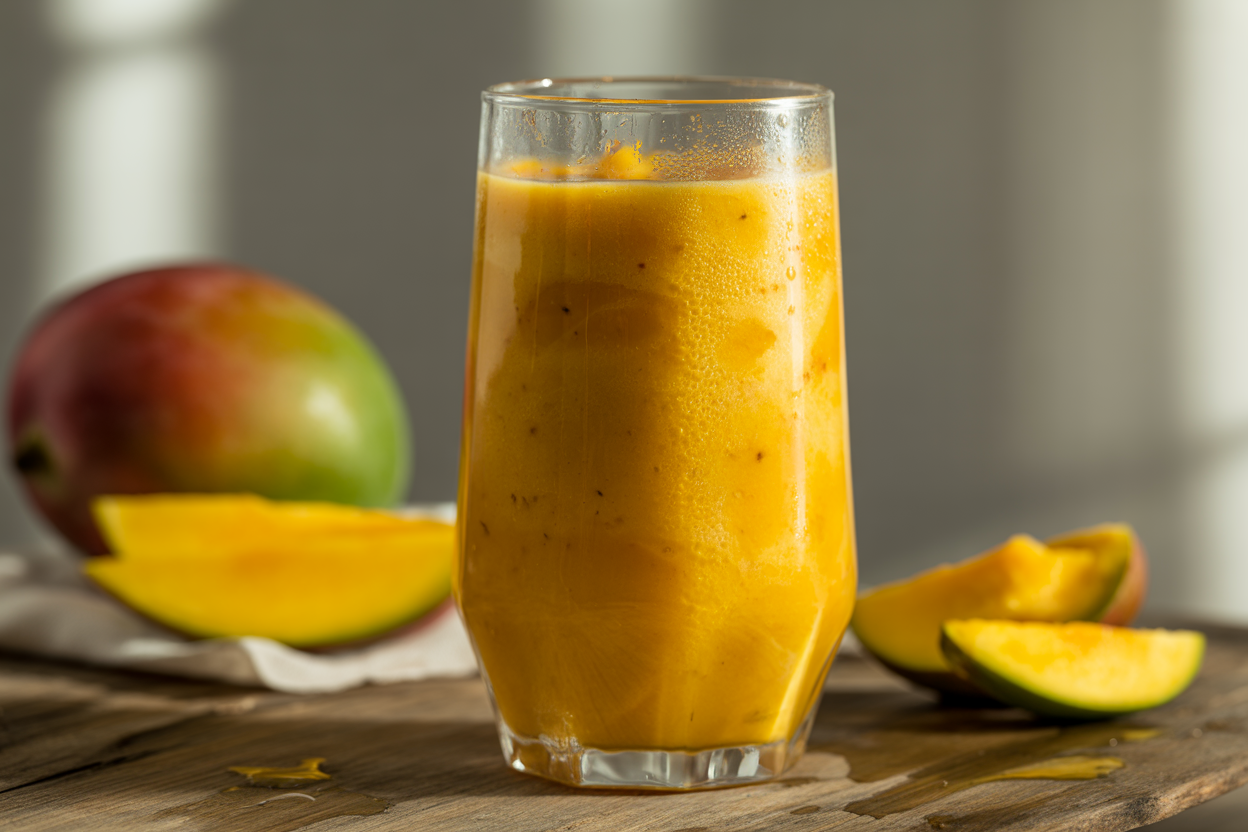
When blended, cottage cheese loses that lumpy texture and turns smooth and creamy. It adds a rich, cheesecake-like vibe without making the drink feel heavy. You get protein, body, and a mild tang that plays really well with sweet mango.
Mango does most of the charm work here. It’s juicy, fragrant, and naturally thick when blended, so it covers any “this is a health food” energy. The result tastes more like a tropical milkshake than something you made to be responsible.
What It Tastes Like
Picture a mango lassi and a cheesecake filling teaming up in the best possible way. That’s the general mood.
The mango brings bright sweetness and a little floral flavor. The cottage cheese adds creaminess and a subtle tang, kind of like yogurt but a bit richer. If you use frozen mango, it gets extra thick and almost spoonable, which IMO is never a bad thing.
It’s sweet, creamy, and balanced. Not too sugary, not too sour, and not weird. That last part matters.
The Basic Ingredients
You don’t need a huge grocery haul for this. The base recipe is wonderfully simple.
Core ingredients
- 1 1/2 cups mango, fresh or frozen
- 1/2 to 3/4 cup cottage cheese
- 1/2 cup milk of choice
- 1 to 2 teaspoons honey or maple syrup, optional
- A few ice cubes, if using fresh mango
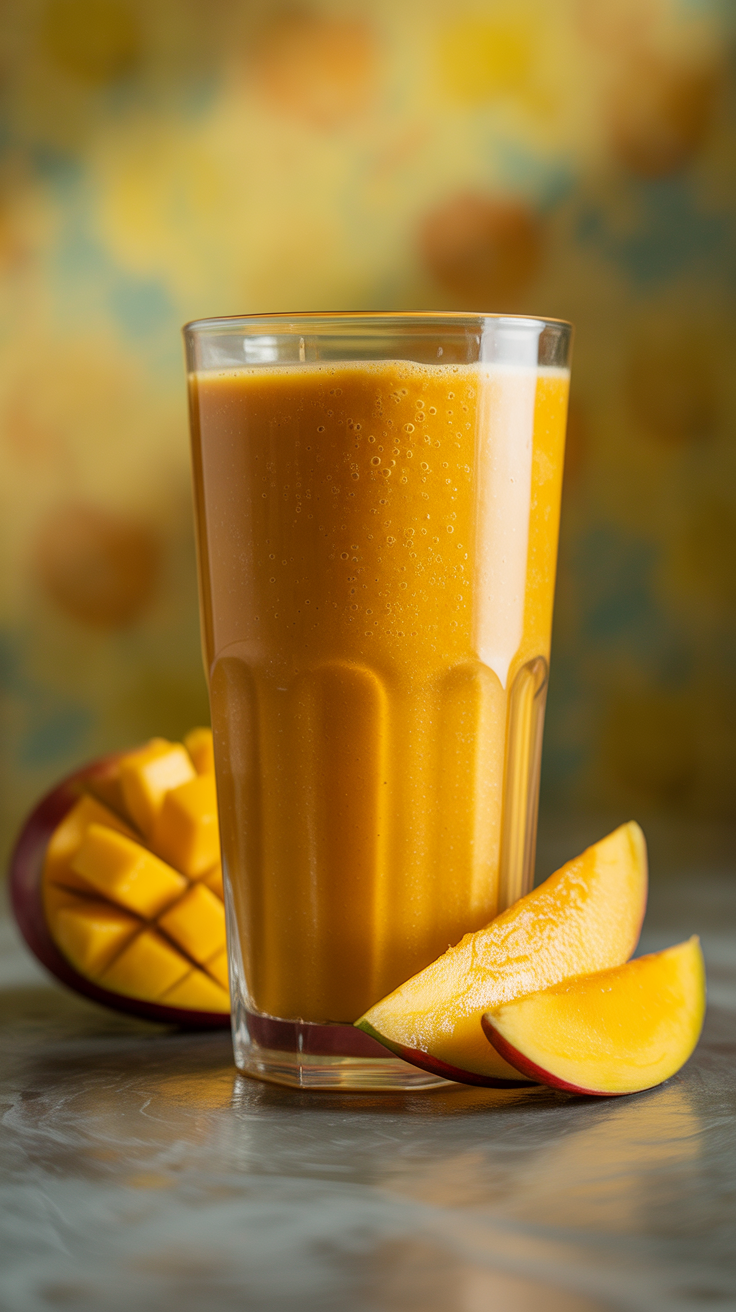
That’s it. Blend until smooth, taste, and adjust. If your mango is super ripe, you may not need any sweetener at all.
A quick note on cottage cheese: full-fat gives the creamiest result, but low-fat works too. Use whatever you actually like eating. No need to turn this into a purity contest.
How to Make It Taste Amazing
A decent smoothie is easy. A really good smoothie just needs a couple of smart tweaks.
First, use ripe mango if you can. Sweet, juicy mango makes a huge difference. Frozen mango is also fantastic because it gives you that thick, frosty texture without watering things down.
Second, blend longer than you think you need to. Cottage cheese smooths out beautifully, but it needs an extra few seconds to fully disappear into the mix. Nobody wants surprise curds floating around. That’s not the adventure we’re here for.
Third, don’t overdo the liquid. Start with less milk, then add more only if needed. Mango and cottage cheese both bring moisture, so the smoothie thickens fast.
Easy Add-Ins That Actually Make Sense
This smoothie is great as-is, but it also plays nicely with a few extras.
For more flavor
Add a squeeze of lime juice if you want a brighter, fresher taste. A small pinch of cardamom or cinnamon can make it feel a little fancy without trying too hard. Vanilla extract also works well if you want more dessert vibes.
For more nutrition
Toss in chia seeds, ground flax, or a scoop of protein powder if that’s your thing. A handful of spinach blends in surprisingly well, especially with mango doing all the heavy lifting.
For a creamier texture
Half a banana makes it silkier and sweeter. Greek yogurt can join the party too, though at that point you’re building a very committed dairy smoothie.
Best Times to Drink It
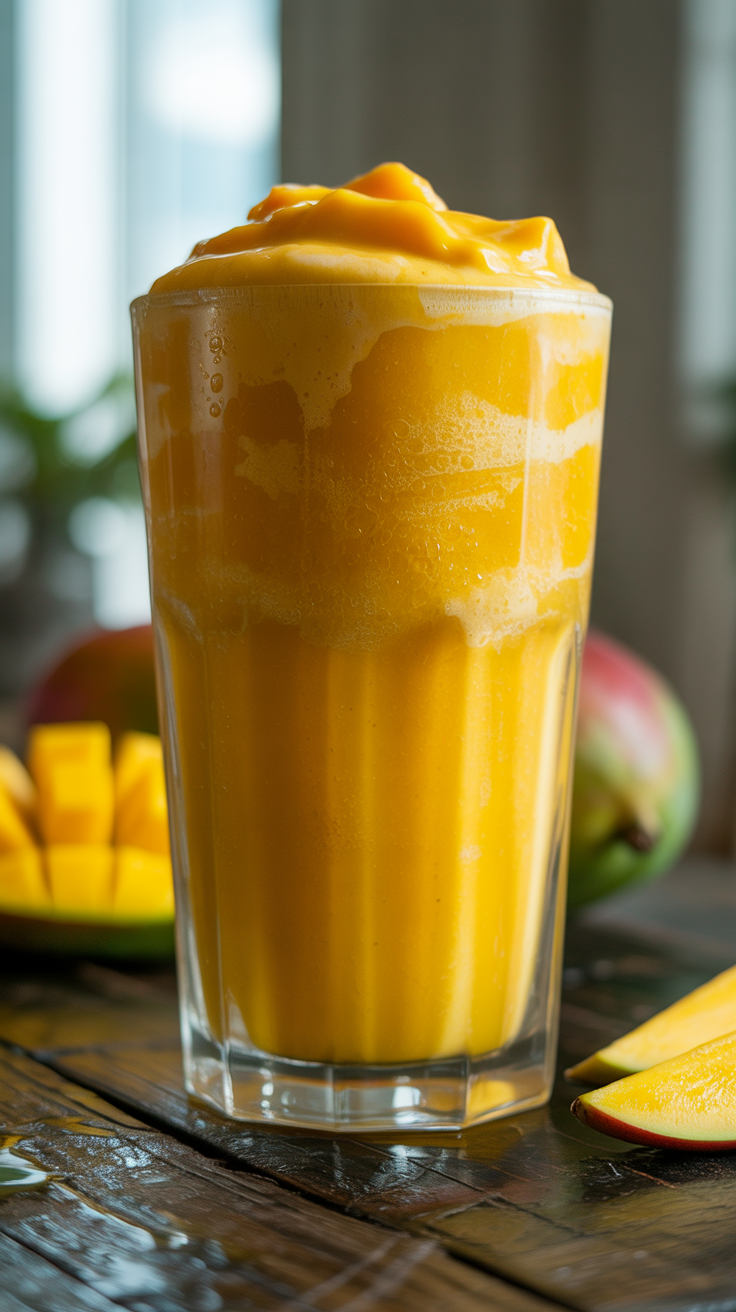
This smoothie shines at breakfast, especially when you want something quick but not flimsy. It has enough protein and substance to keep you full longer than a fruit-only blend.
It’s also great after a workout. You get carbs from the mango and protein from the cottage cheese, which is basically the classic recovery combo without needing a shaker bottle and a weird powdered aftertaste.
And yes, it works as an afternoon snack too. Sometimes you just need something cold, creamy, and not made entirely of regret.
Common Mistakes to Avoid
A few little things can make or break this smoothie.
Using underripe mango is the big one. If the mango isn’t sweet, the whole drink falls flat and you’ll end up dumping in too much sweetener to compensate.
Adding too much liquid is another common mistake. Start small. You can always thin it out, but once you’ve made mango soup, there’s no easy way back.
Also, don’t skip tasting before serving. Mango sweetness varies a lot, and cottage cheese brands can be more or less tangy. One quick taste test can save the whole blender.
Simple Variations to Try
If you like experimenting, there’s plenty of room to mess around here.
Tropical version
Add pineapple and a splash of coconut milk. It tastes like vacation, minus the sunscreen.
Dessert-style version
Blend in vanilla, a tiny pinch of salt, and a few crushed graham crackers on top. It leans dangerously close to mango cheesecake.
Green version
Add spinach, cucumber, and lime. It feels extra virtuous, if you’re into that sort of thing.
FAQ
Can you really not taste the cottage cheese?
Mostly, yes. Once blended, cottage cheese becomes smooth and mild. You may notice a slight tang, but the mango easily takes center stage.
Is this smoothie high in protein?
Yes, especially compared to a basic fruit smoothie. Cottage cheese adds a solid protein boost, which makes it more filling and useful for breakfast or post-workout.
Should I use fresh or frozen mango?
Both work. Frozen mango gives a thicker, colder smoothie, while fresh mango has a brighter flavor. FYI, frozen is usually easier and more consistent.
What kind of cottage cheese is best?
Use one with a flavor you already like. Full-fat gives the richest texture, but low-fat or even lactose-free versions can work well too.
Can I make it ahead of time?
You can, but it’s best fresh. If you store it in the fridge, give it a good shake or stir before drinking because separation happens. Smoothies are dramatic like that.
Can I make it without added sweetener?
Definitely. If your mango is ripe and sweet, you may not need anything extra. Taste first, then decide.
Conclusion
Mango smoothie with cottage cheese is one of those surprisingly smart combos that earns a permanent spot in the rotation. It’s creamy, refreshing, protein-packed, and easy to tweak based on what you have on hand. If you haven’t tried it yet, this is your sign to blend one up and stop underestimating cottage cheese.