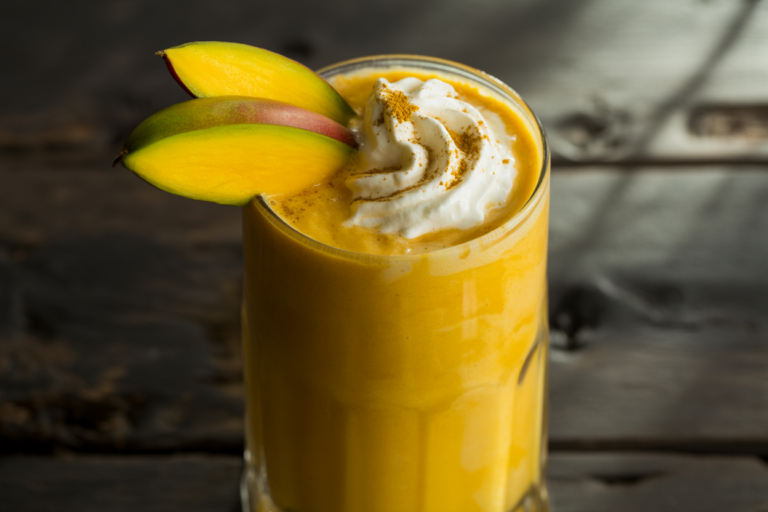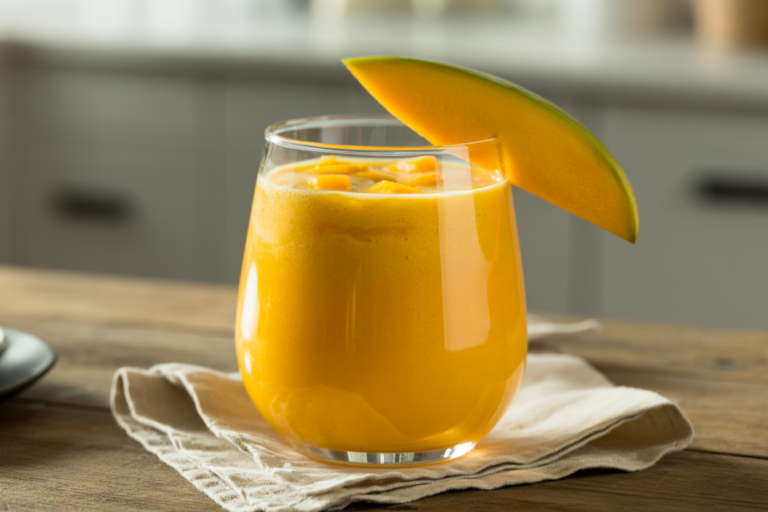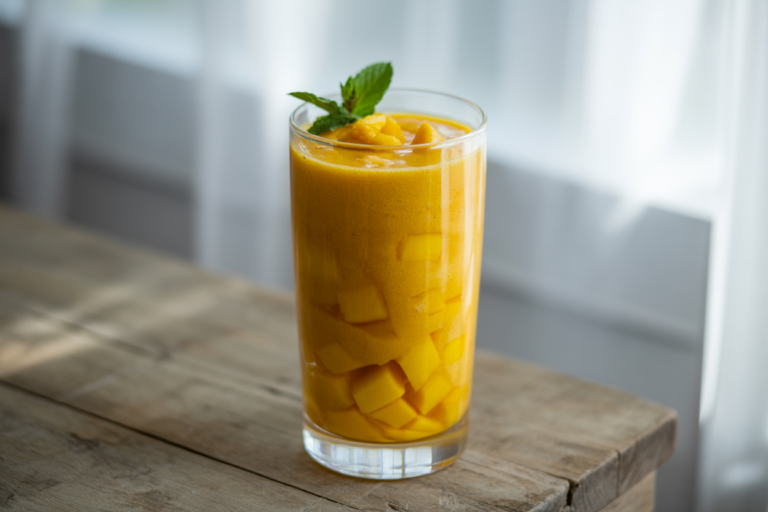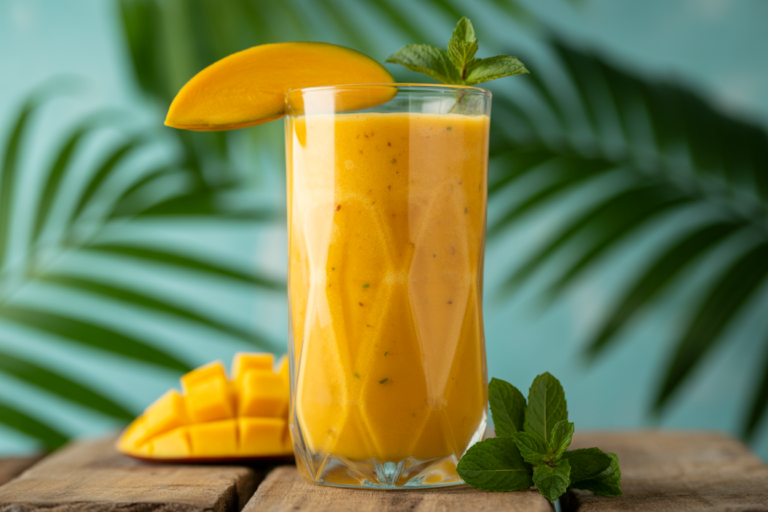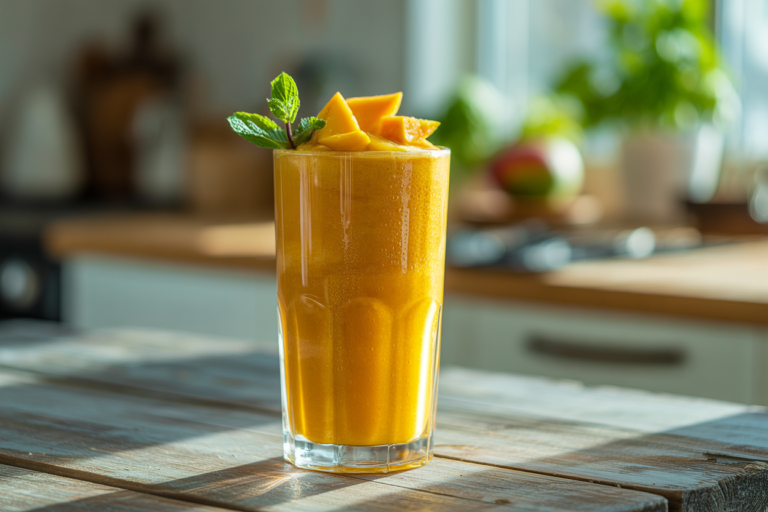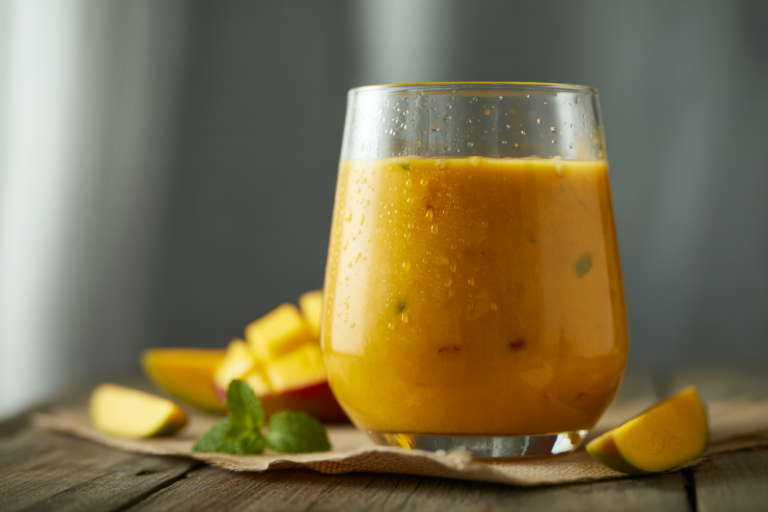
Mango Smoothie That Tastes Like Summer in the Best Way
Some drinks are refreshing. A really good mango smoothie? That’s a full-on mood. It’s cold, creamy, bright, and sweet in a way that feels like sunshine somehow landed in your blender.
If you’ve ever wanted breakfast, snack, and mini tropical vacation in one glass, this is it. And the best part? It’s ridiculously easy to make, even if your kitchen skills are mostly limited to pressing “blend.”
Why mango works so ridiculously well
Mango has that naturally rich, velvety texture that makes smoothies taste almost dessert-level good without needing a ton of extra stuff. It’s sweet, but not boring sweet. There’s a little tang, a little floral thing going on, and somehow it still plays nicely with yogurt, milk, coconut, banana, and even a squeeze of lime.
That’s why a mango smoothie tastes like summer in the best way. It’s not just fruity. It’s bright and chilled and kind of cheerful. Dramatic? Maybe. Accurate? Absolutely.
Frozen mango is usually the move, by the way. It gives you that thick, frosty texture without needing a bunch of ice, which can water everything down and ruin the vibe.
The simple formula for a great mango smoothie
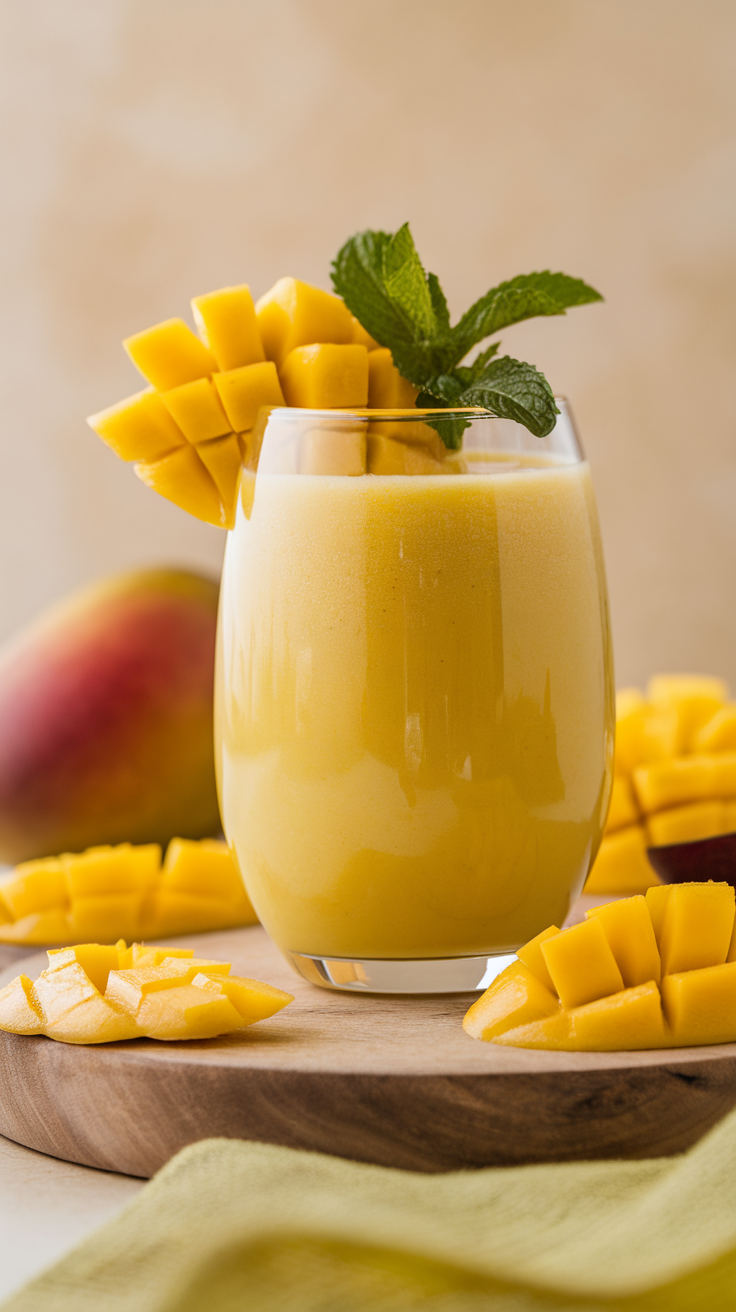
You do not need a complicated recipe with 14 ingredients and a blender that sounds like a jet engine. A solid mango smoothie usually comes down to a few basics:
- Mango for the main flavor
- A creamy base like yogurt, milk, or a dairy-free option
- Something to boost texture like banana or more frozen fruit
- Optional extras for flavor, sweetness, or nutrition
A classic version is almost laughably simple:
- 2 cups frozen mango
- 1 banana
- 1/2 cup Greek yogurt
- 3/4 to 1 cup milk
- 1 teaspoon honey, if needed
- A squeeze of lime, if you want it extra fresh
Blend it until smooth. That’s it. That’s the whole magic trick.
If it’s too thick, add a little more milk. If it’s too thin, toss in more frozen mango. You’re not doing surgery here. Smoothies are forgiving.
What makes it taste extra summery
A basic mango smoothie is already pretty great, but a few little upgrades can make it taste like peak summer energy.
Add coconut
Mango and coconut together are unfairly good. Use coconut milk, coconut yogurt, or even a spoonful of shredded coconut if your blender can handle it. Suddenly your kitchen feels 20 percent more tropical.
Use lime
This is one of those small details that makes a big difference. A squeeze of lime wakes everything up and keeps the smoothie from tasting flat. It’s like adding a tiny vacation.
Try pineapple
If you want to lean all the way into the beachy fruit thing, pineapple is perfect. It adds extra tang and sweetness without stealing the show. Mango still gets to be the main character.
Chill your glass
Is this necessary? No. Does it make you feel weirdly put together? Yes. And honestly, I support that.
Picking the best mango for smoothies
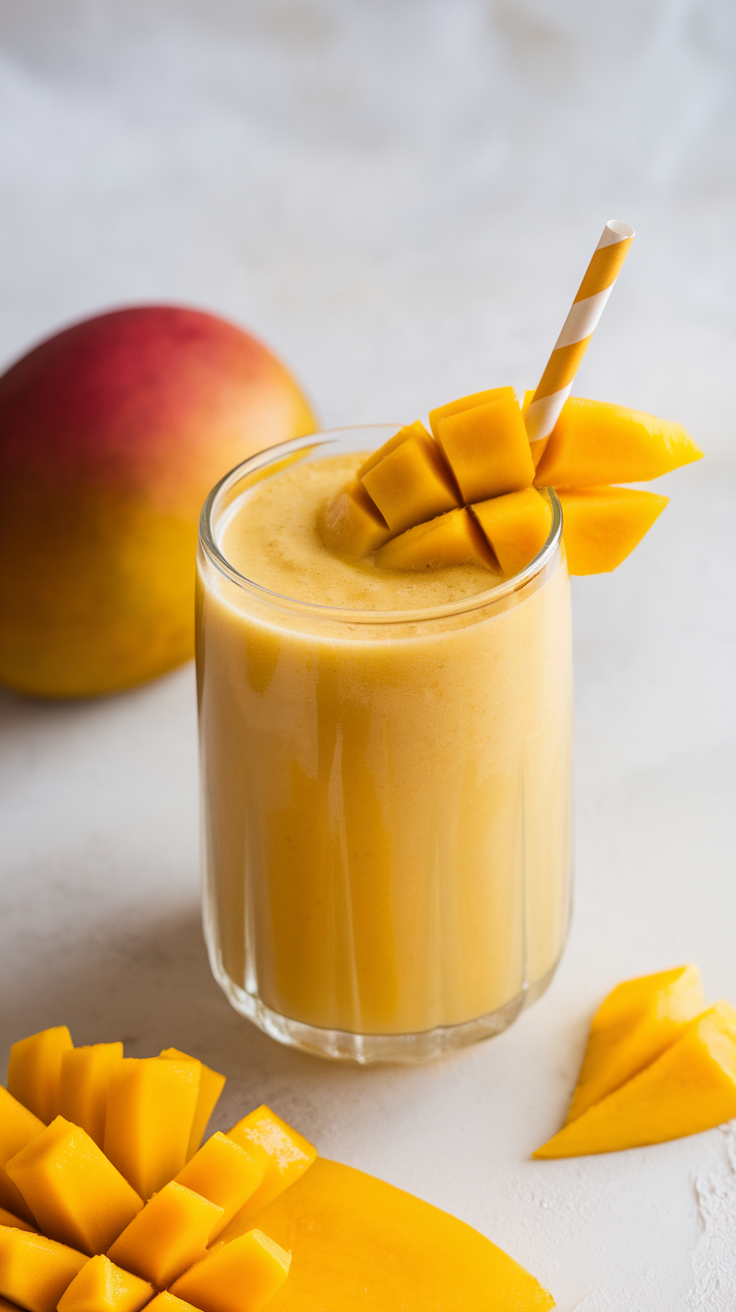
If you’re using fresh mango, go for fruit that smells sweet near the stem and gives just a little when pressed. Rock-hard mangoes are not ready. Soft, wrinkly ones are headed into questionable territory.
That said, frozen mango chunks are often easier and more consistent. They’re picked ripe, already chopped, and they save you from that slippery, sticky mango-cutting mess. Which, let’s be honest, can feel like a personal attack.
If your fresh mango isn’t super sweet, don’t panic. Banana, honey, or a pitted date can help round things out.
Easy ways to make it your own
One of the best things about a mango smoothie is how flexible it is. You can keep it simple or make it more filling depending on what you need.
Want more protein? Add Greek yogurt, protein powder, or silken tofu.
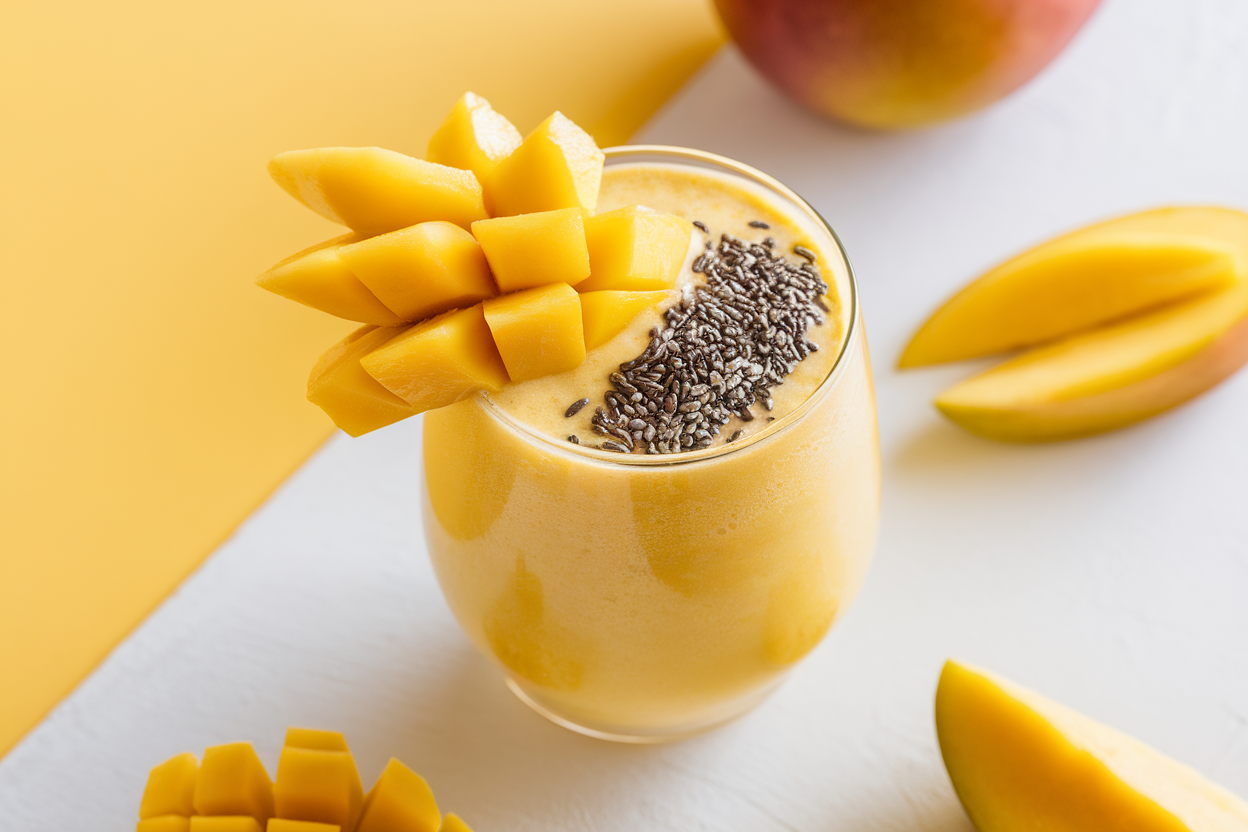
Want more fiber? Toss in chia seeds, flaxseed, or oats.
Want it dairy-free? Use almond milk, oat milk, or coconut milk with a plant-based yogurt.
Want it sweeter? A little honey or maple syrup works fine, but taste it first. Mango usually has things under control.
Personally, I like a mango smoothie that’s thick enough to feel satisfying but not so thick that I need a spoon and upper-body strength. IMO, that’s the sweet spot.
Common smoothie mistakes to avoid
A few things can take your mango smoothie from dreamy to disappointing pretty fast.
Using too much liquid is the big one. Start small. You can always add more, but once it gets thin and sad, you’re in recovery mode.
Too much ice is another issue. Ice makes things cold, sure, but it also dulls flavor. Frozen fruit does the job better.
And don’t overdo the extras. Spinach, turmeric, collagen, nut butter, seeds, protein powder, cinnamon, maca, probably moon dust if the internet gets involved—pick a couple and move on. Let the mango taste like mango.
FAQ
Can I make a mango smoothie without banana?
Yes, absolutely. Use more mango, a little yogurt, avocado, or even frozen cauliflower for thickness. Sounds odd, tastes neutral, works great.
Is fresh or frozen mango better?
For smoothies, frozen usually wins. It makes the drink thicker and colder without needing ice, and it’s super convenient.
How do I make it thicker?
Use less liquid, more frozen mango, or add banana or Greek yogurt. You can also chill the ingredients beforehand for a frostier texture.
Can I prep mango smoothies ahead of time?
You can, but they’re best fresh. If you need to prep, freeze the fruit in smoothie packs and blend when you’re ready. FYI, that’s way better than drinking a separated smoothie from yesterday.
What milk works best in a mango smoothie?
It depends on the flavor you want. Regular milk keeps it classic, coconut milk makes it tropical, and oat milk gives it a creamy texture without overpowering the fruit.
Can I turn it into a smoothie bowl?
Definitely. Just use less liquid so it stays extra thick. Then top it with fruit, granola, coconut flakes, or whatever makes you feel like a person who has their life together.
A quick final sip
A mango smoothie is one of those simple things that feels way more special than the effort it takes. It’s bright, creamy, refreshing, and very hard to be in a bad mood while drinking. Blend one up, tweak it to your taste, and enjoy your little glass of summer.