Balanced Smoothie That Feels Good Without Overthinking It
Some smoothies leave you feeling amazing. Others taste like dessert wearing a wellness disguise and then dump you into a 10 a.m. energy crash. The good news? A balanced smoothie doesn’t need a spreadsheet, a supplement wall, or a personal blender guru. You just need a simple way to build one that actually keeps you full and feels good to drink.
The whole point of a balanced smoothie
A smoothie should do more than taste nice for six minutes. It should help you feel steady, satisfied, and not weirdly hungry again before you’ve finished answering your emails.
That usually means it needs a mix of protein, fiber, healthy fat, and carbs. Not in a hyper-precise fitness-influencer way. Just enough of each to make the drink feel like actual food instead of fruit soup.
If your smoothie is only frozen banana, berries, and juice, it might taste great, but it can hit fast and fade fast. Delicious? Sure. Balanced? Not exactly.
The easiest formula to remember
If you want the no-drama version, here it is:
- 1 protein source
- 1 to 2 fruits
- 1 vegetable
- 1 healthy fat
- 1 liquid
- Optional extras if you like them
That’s it. No overthinking, no “superfood” panic, no buying mystery powders that smell like a lawn mower.
Protein: the thing that makes it satisfying
Protein is what turns a smoothie from snack-ish to meal-ish. It helps with fullness, and honestly, it keeps the whole thing from feeling like a sugary little lie.
Good options:
- Greek yogurt
- Cottage cheese
- Protein powder
- Silken tofu
- Milk or soy milk
- Kefir
My opinion? Greek yogurt is the easiest place to start. It blends well, adds creaminess, and doesn’t make your smoothie taste like a chemistry experiment.
Fruit: yes, keep it
Fruit is not the villain. It gives flavor, texture, and natural sweetness, which means you’re less likely to add half a bottle of honey and call it health.
Good choices:
- Berries
- Banana
- Mango
- Pineapple
- Cherries
- Peaches
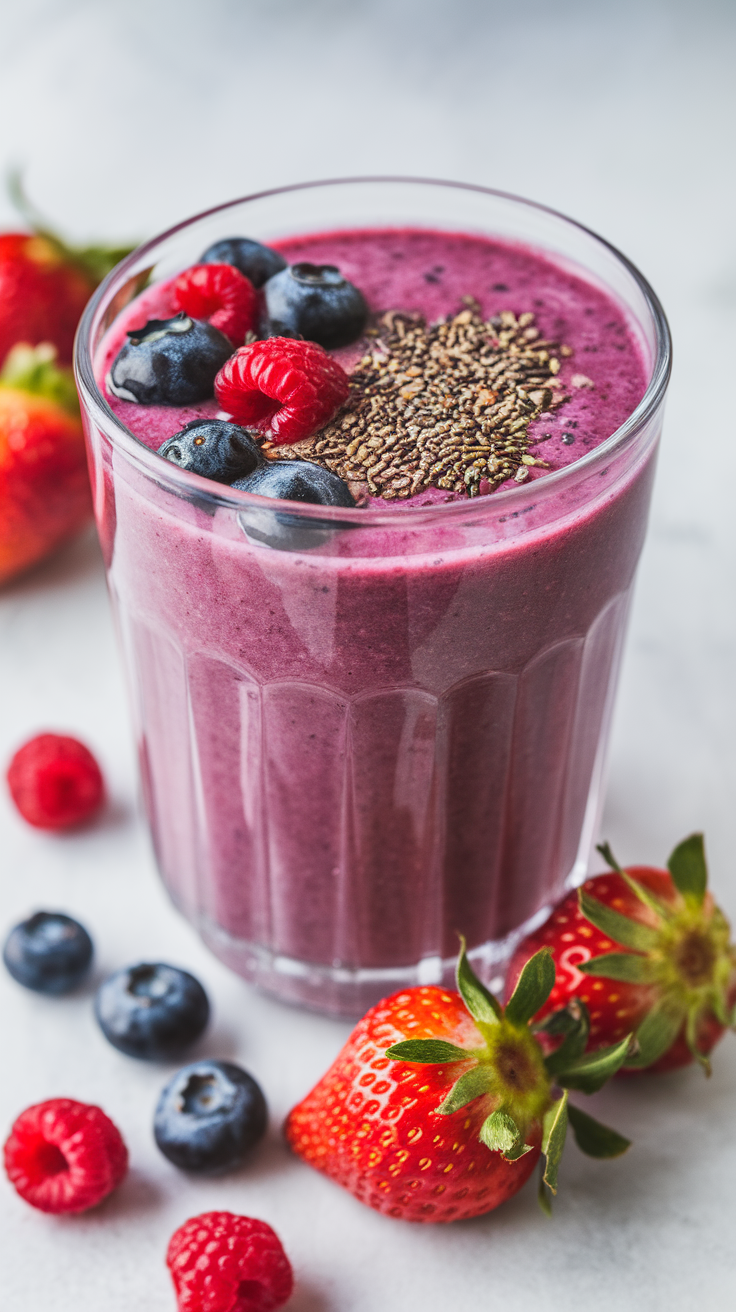
A banana makes smoothies creamy, but you don’t always need a full one. Half a banana plus berries is often enough, unless you’re trying to make it taste like a milkshake. Which, to be fair, is sometimes the dream.
Veggies: calm down, it can just be spinach
You do not need to blend beets, kale stems, and six morally superior leaves of something you can’t pronounce. Start easy.
Best beginner veggies:
- Spinach
- Cauliflower
- Zucchini
- Cucumber
- Cooked pumpkin
Spinach disappears into almost anything. Frozen cauliflower is surprisingly good too and adds body without making your smoothie taste like dinner.
Healthy fats: small amount, big difference
A little fat helps with satiety and makes the smoothie more smooth, less icy sadness.
Try:
- Peanut butter or almond butter
- Chia seeds
- Ground flaxseed
- Hemp seeds
- Avocado
You don’t need much. A tablespoon of nut butter or seeds usually does the job.
Liquid: enough to blend, not enough to drown it
This sounds obvious, but it matters. Too little liquid and your blender throws a tantrum. Too much and suddenly you’ve made berry water.
Good options:
- Milk
- Soy milk
- Almond milk
- Oat milk
- Kefir
- Water, if needed
Start with about a cup, then add more slowly. You can always thin it out. You cannot un-water a smoothie. Tragic, but true.
A few balanced combos that actually work
Here are some easy smoothie ideas that don’t require a trip to a boutique grocery store.
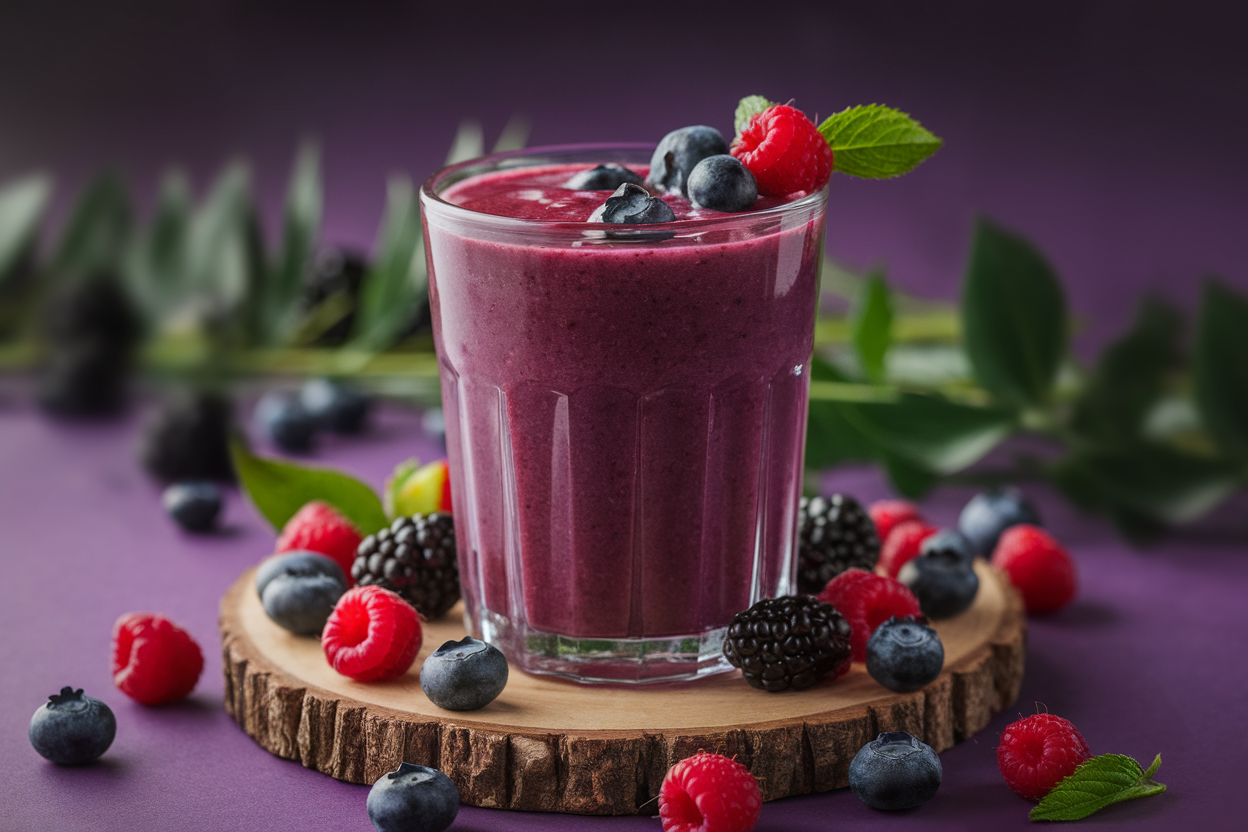
Berry yogurt smoothie
- Greek yogurt
- Frozen mixed berries
- Half a banana
- Spinach
- Chia seeds
- Milk
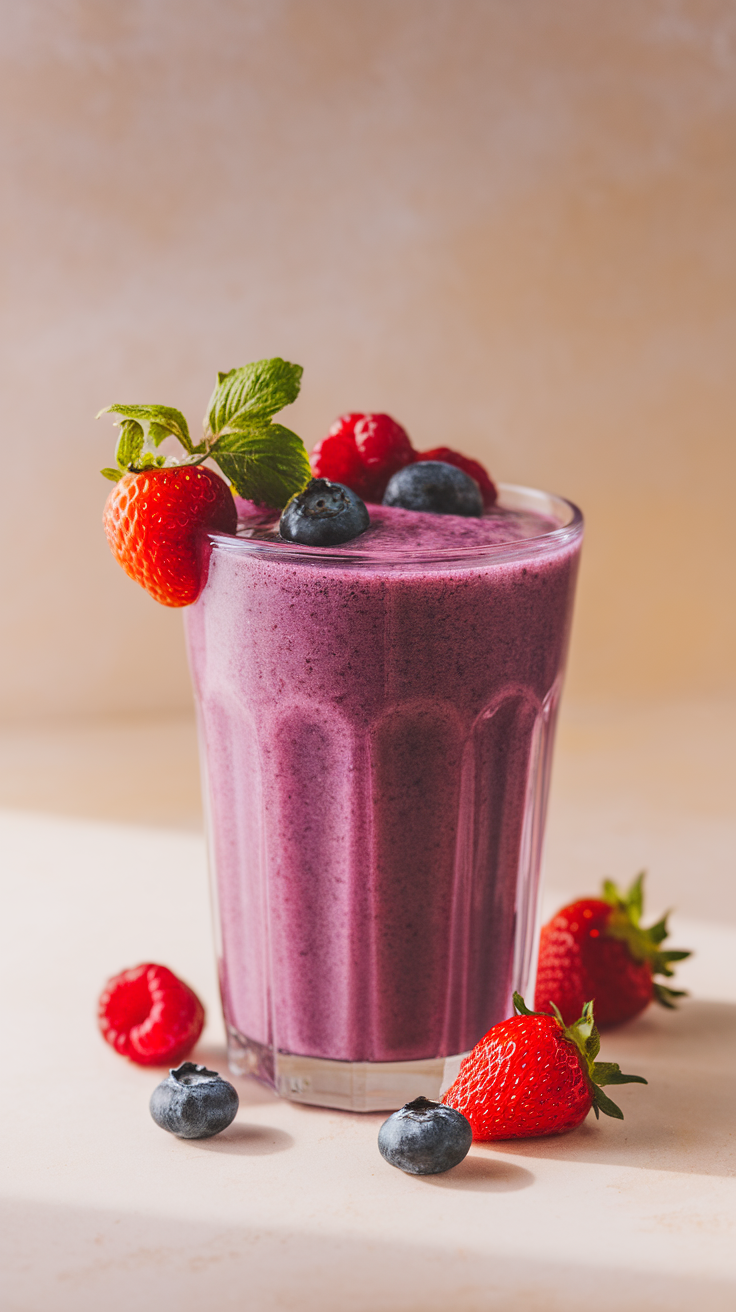
This is the reliable friend of smoothies. It’s good, filling, and doesn’t ask much of you.
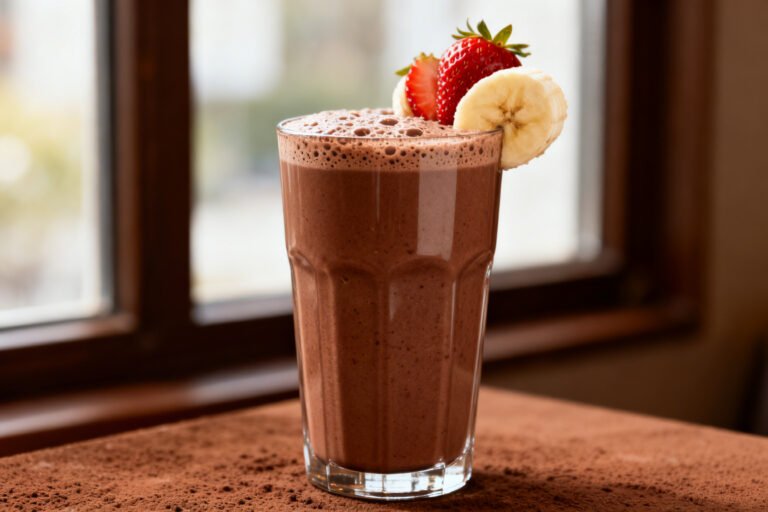
Peanut butter banana smoothie
- Milk or soy milk
- Greek yogurt or protein powder
- Banana
- Peanut butter
- Ground flaxseed
- Cinnamon
This one feels a little like breakfast and a little like dessert. A strong combo, IMO.
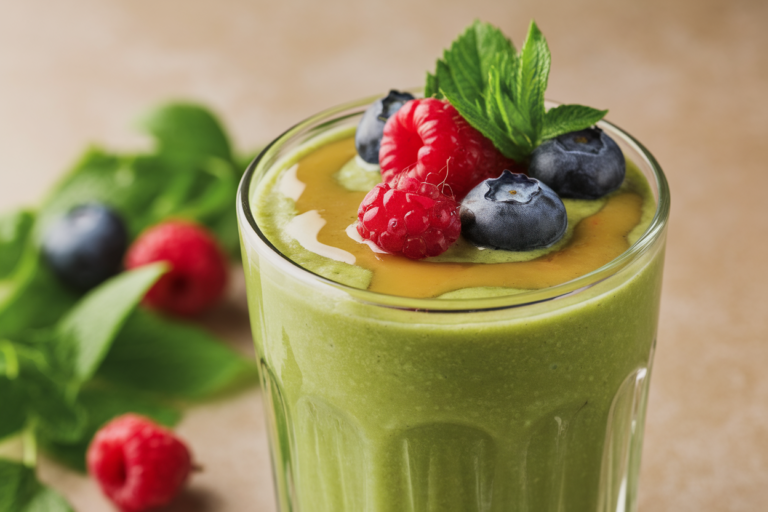
Tropical green smoothie
- Kefir
- Mango
- Pineapple
- Spinach
- Hemp seeds
If you want something bright and refreshing, this does the job without being just sugar in vacation clothing.
Chocolate cherry smoothie
- Milk
- Frozen cherries
- Cocoa powder
- Greek yogurt
- Almond butter
- Spinach if you’re feeling bold
It sounds indulgent, but it still checks the balance box. Sneaky and useful.
How to make it feel good in your body
This part matters more than making the prettiest smoothie on earth.
First, watch the sweet stuff. If you’re already using fruit, you probably don’t need much honey, maple syrup, or juice. Let the fruit do its thing.
Second, don’t skip protein. A smoothie without protein can feel satisfying for about 11 minutes. Then you’re raiding the pantry like it personally offended you.
Third, pay attention to portion size. It’s easy to toss in a little of this, a lot of that, and end up with a blender full of enough smoothie for a family of four. If it’s meant to be a meal, great. If not, maybe relax with the add-ins.
Finally, blend for texture you actually enjoy. If it’s chalky, watery, or weirdly lumpy, you’re not going to want it again. Balanced is nice. Drinkable is still important.
Keep it simple enough to repeat
The best smoothie is not the most “perfect” one. It’s the one you can make half-awake, without measuring every molecule, and still feel good after drinking.
Stock a few basics:
- Frozen fruit
- Spinach
- A protein source
- One or two fat add-ins
- Milk or another liquid
That’s enough to make a lot of good smoothies. FYI, frozen ingredients also save you from the sad produce drawer situation.
FAQ
Do I need protein powder to make a balanced smoothie?
Nope. Greek yogurt, cottage cheese, kefir, tofu, milk, and soy milk all work well. Protein powder is convenient, but it’s not mandatory.
Is fruit in a smoothie too much sugar?
Not usually, especially when you pair it with protein, fiber, and fat. The problem is usually when the smoothie is mostly fruit plus juice and not much else.
Can a smoothie be a full meal?
Yes, if it includes enough protein, fiber, fat, and overall substance. If it’s just fruit and liquid, it’s more like a snack.
What if I don’t like vegetables in smoothies?
Start with spinach or cauliflower. They’re mild and easy to hide. If even that feels offensive, skip the veggies at first and focus on balance elsewhere.
Should I use fresh or frozen ingredients?
Either works, but frozen fruit usually gives better texture and keeps the smoothie cold without needing ice. Ice can be useful, but too much turns everything into a sad slush.
Conclusion
A balanced smoothie doesn’t need to be complicated to work. Build it with protein, fruit, a little fat, maybe a veggie, and enough liquid to blend, and you’re pretty much there. Keep it simple, make it taste good, and stop acting like your blender needs a wellness certification.