Berry Smoothie That Feels Light but Still Satisfying
Some smoothies are basically melted ice cream pretending to be healthy. This isn’t that. A good berry smoothie can feel bright, fresh, and light on your stomach while still actually keeping you full for more than, say, 14 minutes. That balance is the whole game, and once you know how to build it, you’ll stop making sad, watery fruit drinks and calling them breakfast.
Why berry smoothies are so easy to love
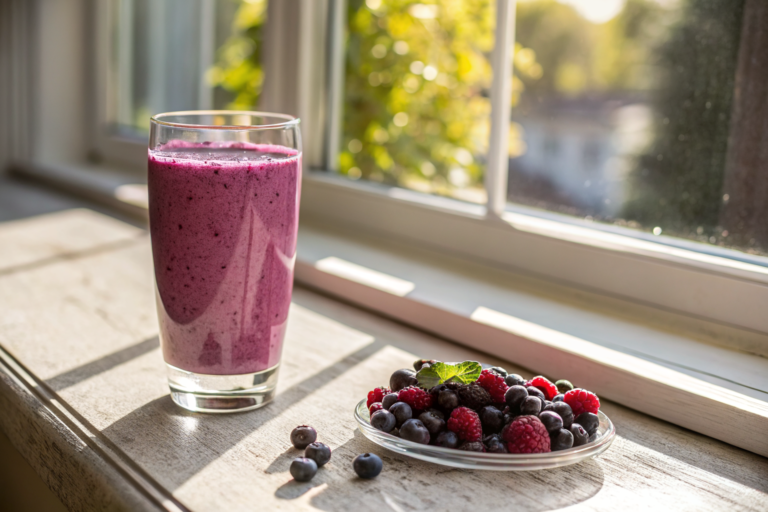
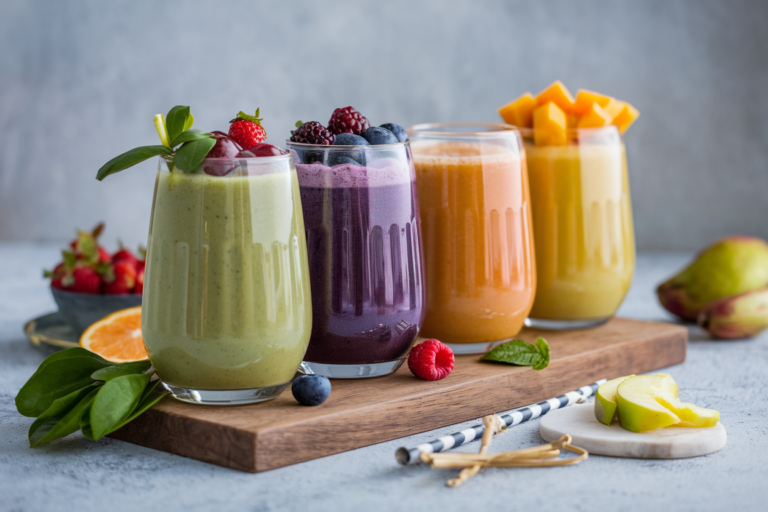
Berries do a lot of the heavy lifting without making your smoothie feel heavy. They bring sweetness, a little tartness, tons of flavor, and that gorgeous color that makes you feel like you have your life together.
They also blend well with just about everything. Yogurt? Great. Milk? Fine. A banana? Sure. Chia seeds? Absolutely. Even a handful of spinach can sneak in there without turning the whole thing into lawn clippings.
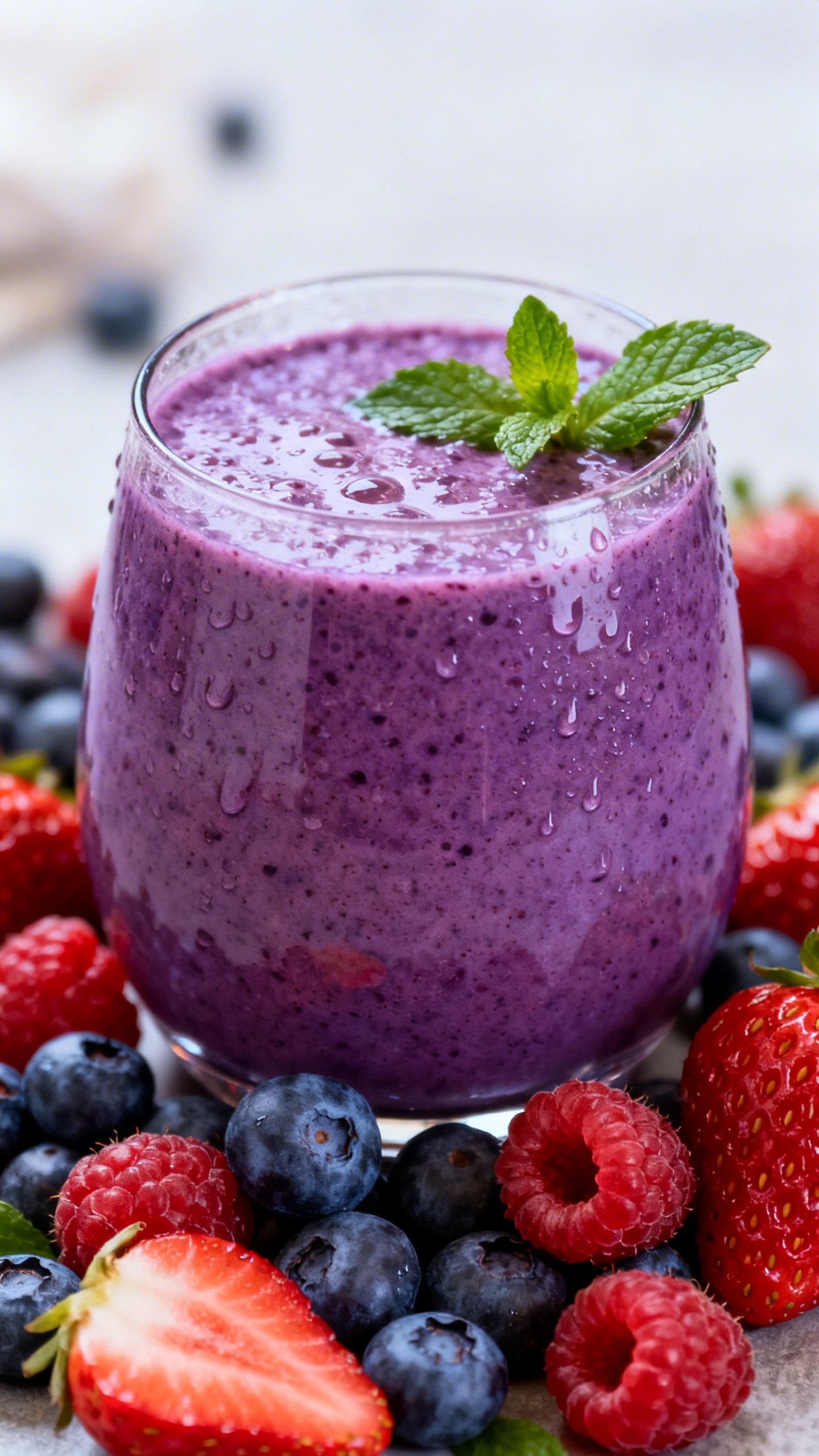
And the texture is usually better than smoothies made with watery fruits alone. Frozen berries create that thick, cold, almost sorbet-like vibe that feels satisfying without becoming dessert in disguise.
The trick: light but not flimsy
A smoothie feels light when it’s refreshing and not overloaded with dense ingredients. But it feels satisfying when it has enough protein, fiber, and a little healthy fat to keep you going. Miss one of those, and you’ll be rummaging through your kitchen 30 minutes later like a raccoon with goals.
So the sweet spot is simple: keep the fruit bright and fresh, then add just enough “staying power.”
Here’s the basic formula I keep coming back to:
- 1 to 1 1/2 cups frozen berries
- 1/2 banana or 1/2 cup mango for creaminess
- 3/4 cup Greek yogurt or skyr for protein
- 1/2 to 3/4 cup milk or a light plant milk
- 1 tablespoon chia seeds or ground flax
- Optional: a squeeze of lemon, a handful of spinach, or a little honey
That combo gives you a smoothie that tastes clean and fruity, not thick enough to require a shovel, but substantial enough to count as breakfast or a decent snack.
Best berries for the job
Not all berries behave exactly the same in a blender. They all work, but they each bring their own personality. Yes, I’m assigning personalities to berries. We’re doing this.
Strawberries: the easygoing crowd-pleaser
Strawberries are sweet, familiar, and mellow. They make a smoothie taste bright and classic without overpowering everything else.
They’re especially good if you want something that feels super refreshing. Pair them with Greek yogurt and a little lemon, and you’ve got a smoothie that tastes way fancier than the effort involved.
Blueberries: the deeper, richer option
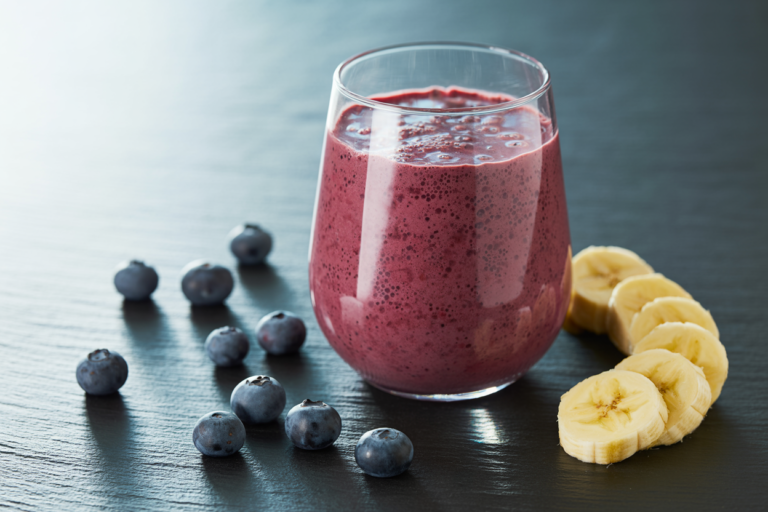
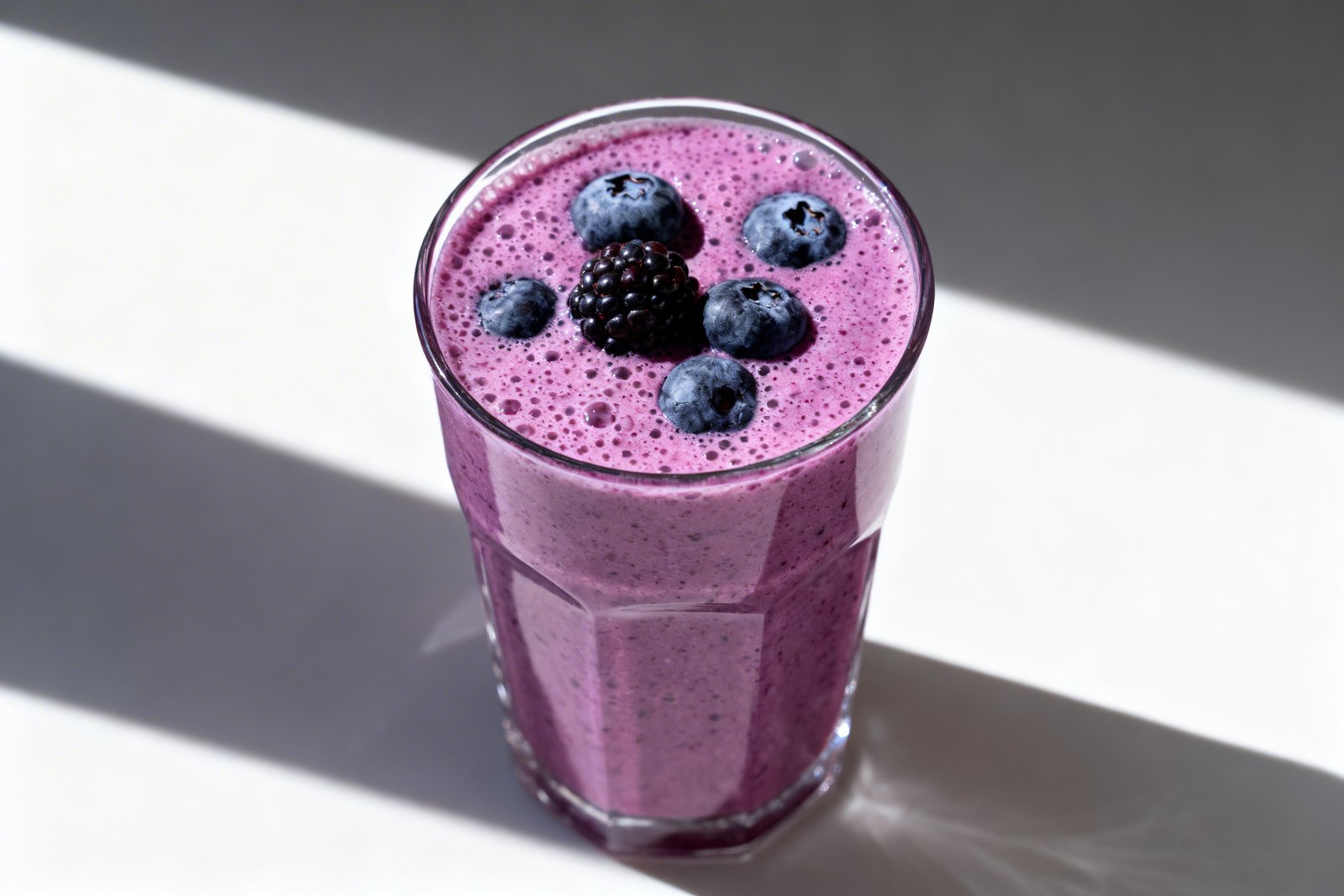
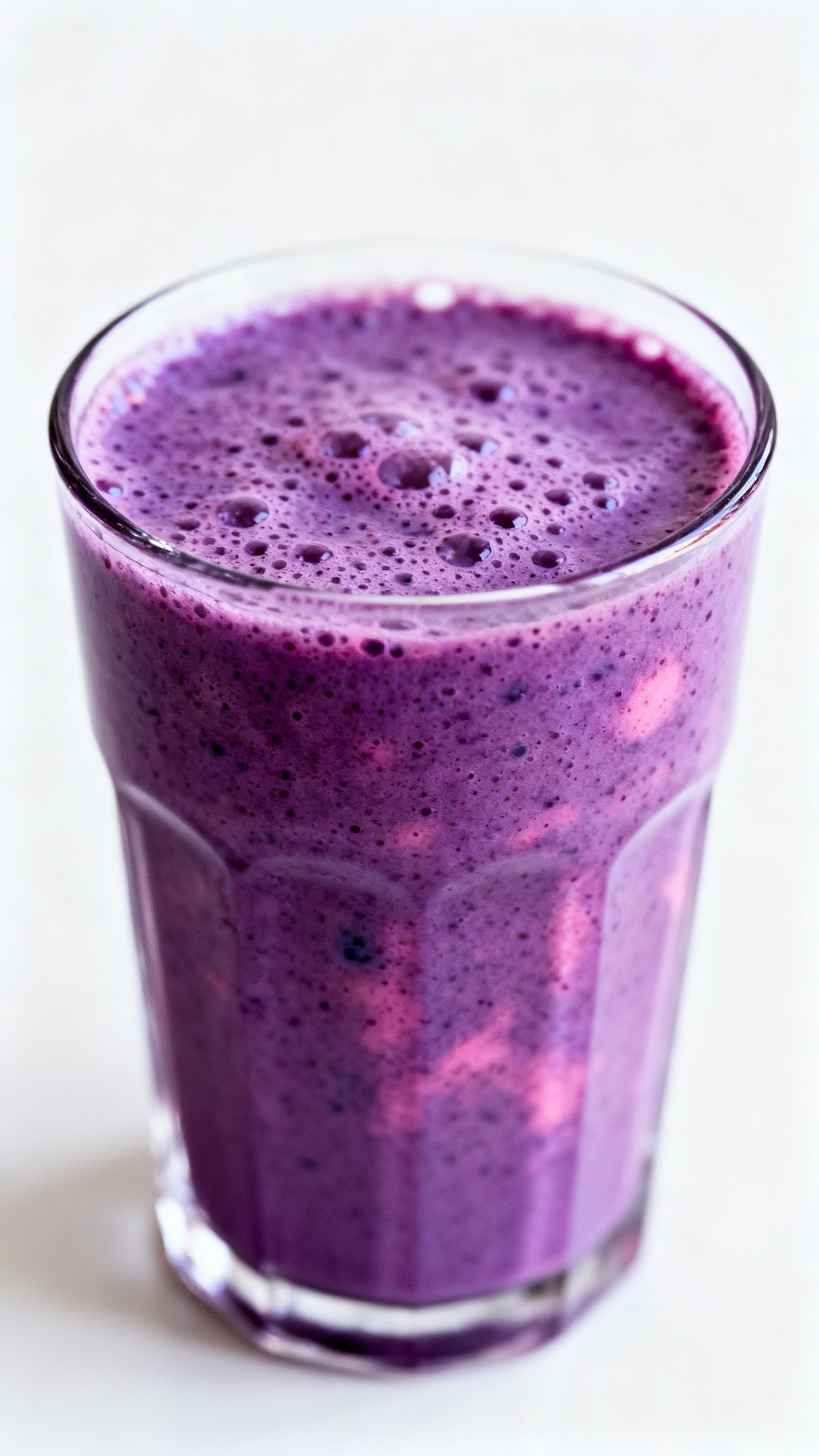
Blueberries add a stronger flavor and a thicker texture. They also make your smoothie turn that dramatic purple color, which is always a win.
They’re great with vanilla yogurt, almond milk, and flax. IMO, blueberry smoothies feel a little more “breakfast-y” and a little less “I just threw fruit in a cup.”
Raspberries and blackberries: tart, bold, and slightly chaotic
These berries bring serious flavor. They’re less sweet and more tangy, which can make your smoothie taste extra fresh.
The only catch? Seeds. If that bugs you, blend thoroughly or strain the smoothie. If it doesn’t bug you, congrats, you’re less high-maintenance than the rest of us.
Ingredients that make it filling without making it heavy
This is where the smoothie earns its keep. You don’t need to dump in half your pantry. You just need a few smart additions.
Greek yogurt or skyr
This is the easiest way to add protein and creaminess at the same time. It makes the smoothie feel more substantial without weighing it down.
Plain works best if you want to control the sweetness. Vanilla is also good if you want the whole thing to feel a little more treat-like.
Chia seeds or ground flax
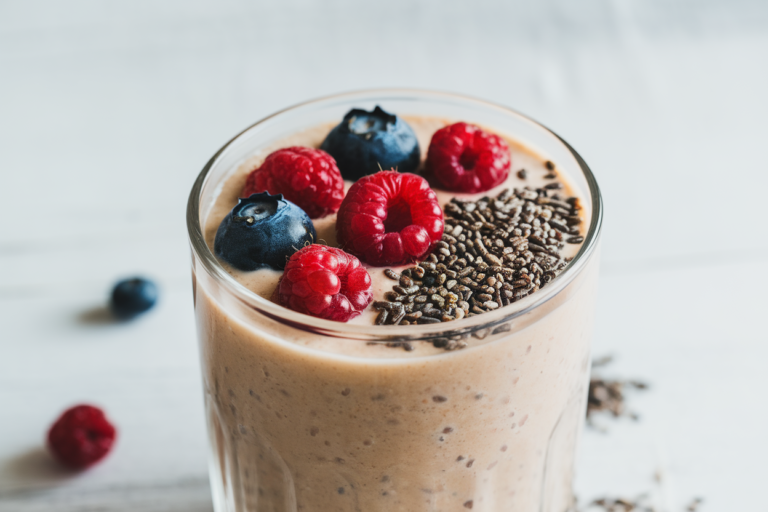
Tiny ingredients, big payoff. They add fiber and a little healthy fat, which helps the smoothie stick with you longer.
Start small if you’re new to them. A tablespoon is plenty. More isn’t always better, FYI, unless your goal is “accidentally made pudding.”
Banana, but don’t go overboard
Banana helps with texture more than almost anything else. A little bit creates that creamy, smooth body that makes a smoothie satisfying.
But too much banana can hijack the flavor and make everything taste like… banana. Which is fine if you wanted a banana smoothie. Less fine if you were aiming for berry.
A little nut butter, if you want it
A teaspoon or tablespoon of almond butter or peanut butter can make a smoothie more filling. Just use a light hand.
Too much turns a fresh berry smoothie into a dense, heavy situation. Delicious? Maybe. Light? Not remotely.
A go-to berry smoothie recipe
If you want one reliable version to start with, here’s a really good one:
Light but satisfying berry smoothie
Ingredients:
- 1 cup frozen mixed berries
- 1/2 frozen banana
- 3/4 cup plain Greek yogurt
- 1/2 cup unsweetened almond milk
- 1/4 cup cold water, as needed
- 1 tablespoon chia seeds
- 1 teaspoon honey, optional
- Small squeeze of lemon juice
How to make it:
- Add everything to a blender.
- Blend until smooth.
- Add a splash more water or milk if it’s too thick.
- Taste and adjust. More lemon for brightness, more honey if your berries are extra tart.
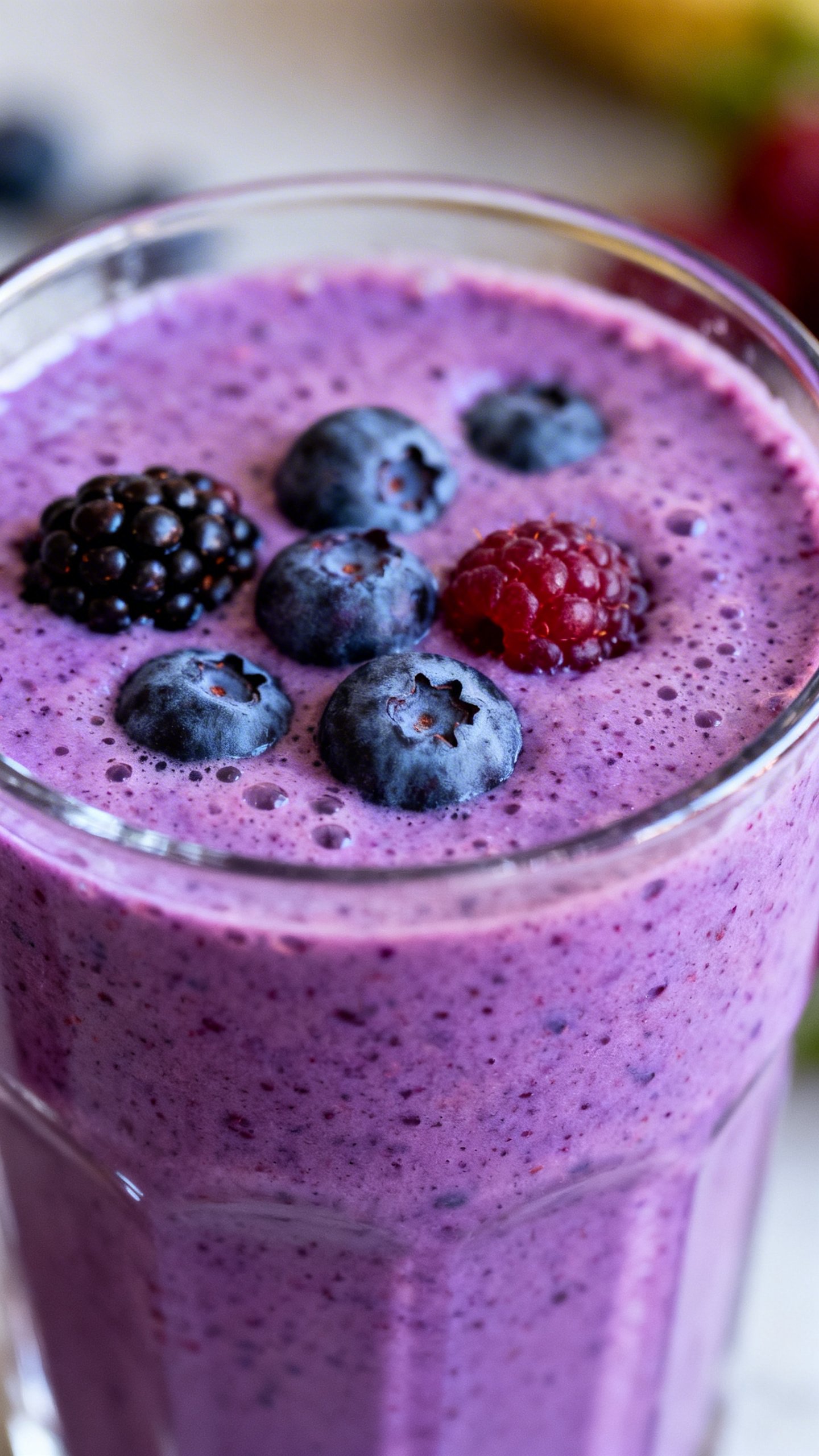
It comes out creamy, cold, fruity, and balanced. Not too rich, not too thin, and not weirdly sweet.
Easy ways to switch it up
Once you’ve got the base down, it’s easy to tweak.
Add spinach if you want some greens without changing the flavor much. Toss in oats if you want a more breakfast-style smoothie. Use kefir instead of yogurt for a lighter, tangier version.
You can also lean into different moods. Strawberry-lemon feels fresh and sunny. Blueberry-vanilla tastes cozy. Raspberry-blackberry feels like the dramatic one in the group, but in a good way.
FAQ
Can a berry smoothie really be filling enough for breakfast?
Yes, if you build it right. Fruit alone won’t do much, but fruit plus protein, fiber, and a little fat absolutely can.
Is frozen fruit better than fresh?
For smoothies, usually yes. Frozen fruit gives you a thicker, colder texture without needing a ton of ice, which can water everything down.
How do I make it sweeter without adding lots of sugar?
Use ripe banana, vanilla yogurt, or a small drizzle of honey. You can also use sweeter berries like strawberries instead of all raspberries or blackberries.
What if I don’t like yogurt?
Use kefir, silken tofu, or a protein-rich plant-based yogurt. Even a scoop of protein powder can work if you want to keep the smoothie light but more substantial.
Why does my smoothie end up too thick or too thin?
It’s usually just the liquid ratio. Too thick? Add a little milk or water. Too thin? Use more frozen fruit or a bit more yogurt.
Conclusion
A berry smoothie that feels light but still satisfying isn’t complicated. It just needs a smart mix of fruit, protein, and a little fiber so it tastes fresh and actually holds you over. Once you get that balance right, you’ve got a smoothie that works for breakfast, post-workout, or those afternoons when your energy disappears for no good reason. And honestly, that’s a pretty useful thing to have on repeat.