Green Smoothie That Tastes Good Without a Bunch of Weird Ingredients
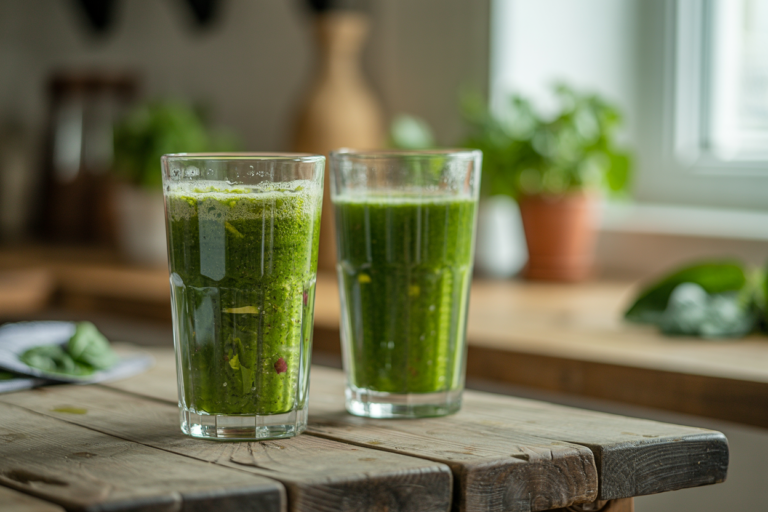
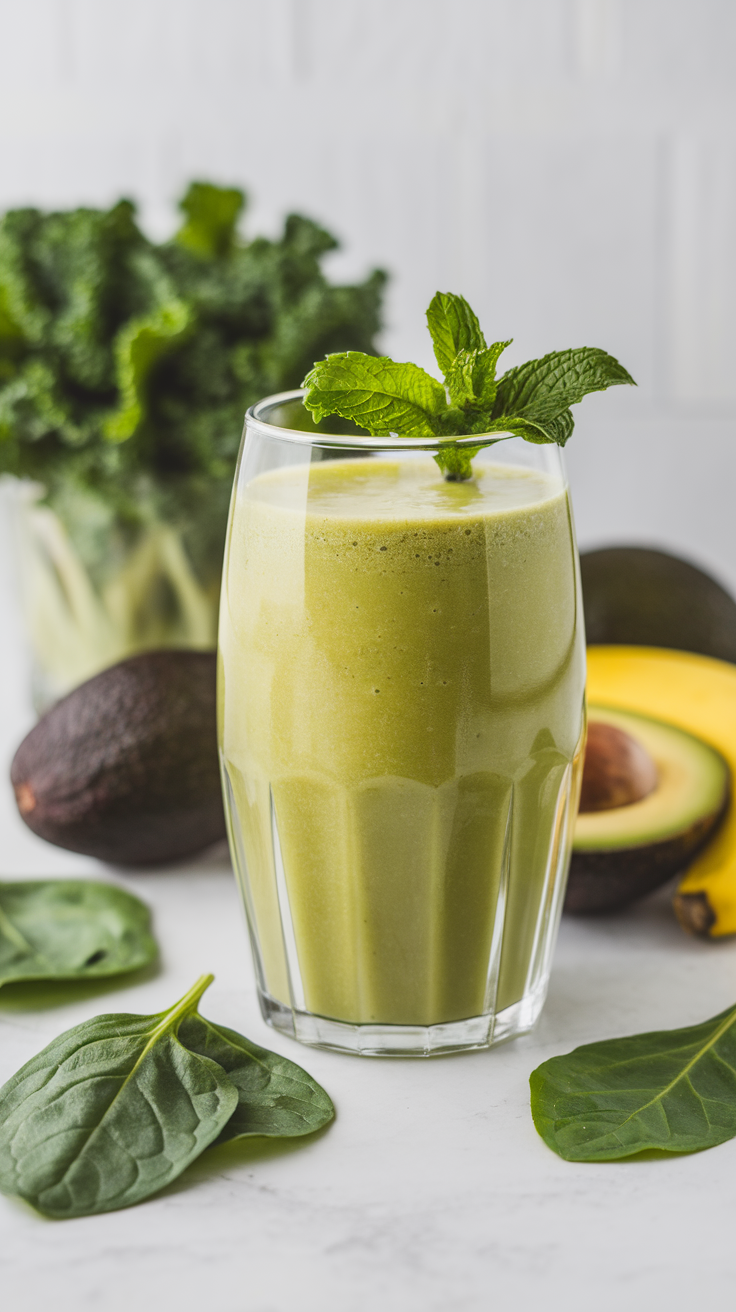
Let’s be honest: a lot of green smoothies taste like someone mowed the lawn and poured it into a blender. That’s usually because they’re packed with random “superfoods” nobody actually enjoys eating. The good news? You can make a green smoothie that tastes genuinely good without spirulina, mystery powders, or a trip to a specialty health store. You just need a few normal ingredients and a little common sense.
The secret: make it taste like fruit first
If you want a green smoothie you’ll actually drink again, the goal is simple: let fruit do the heavy lifting.
A good green smoothie should taste refreshing, slightly sweet, and creamy. It should not taste like punishment. The greens are there for color, nutrients, and that “look at me making decent life choices” feeling. They are not supposed to dominate the whole thing.
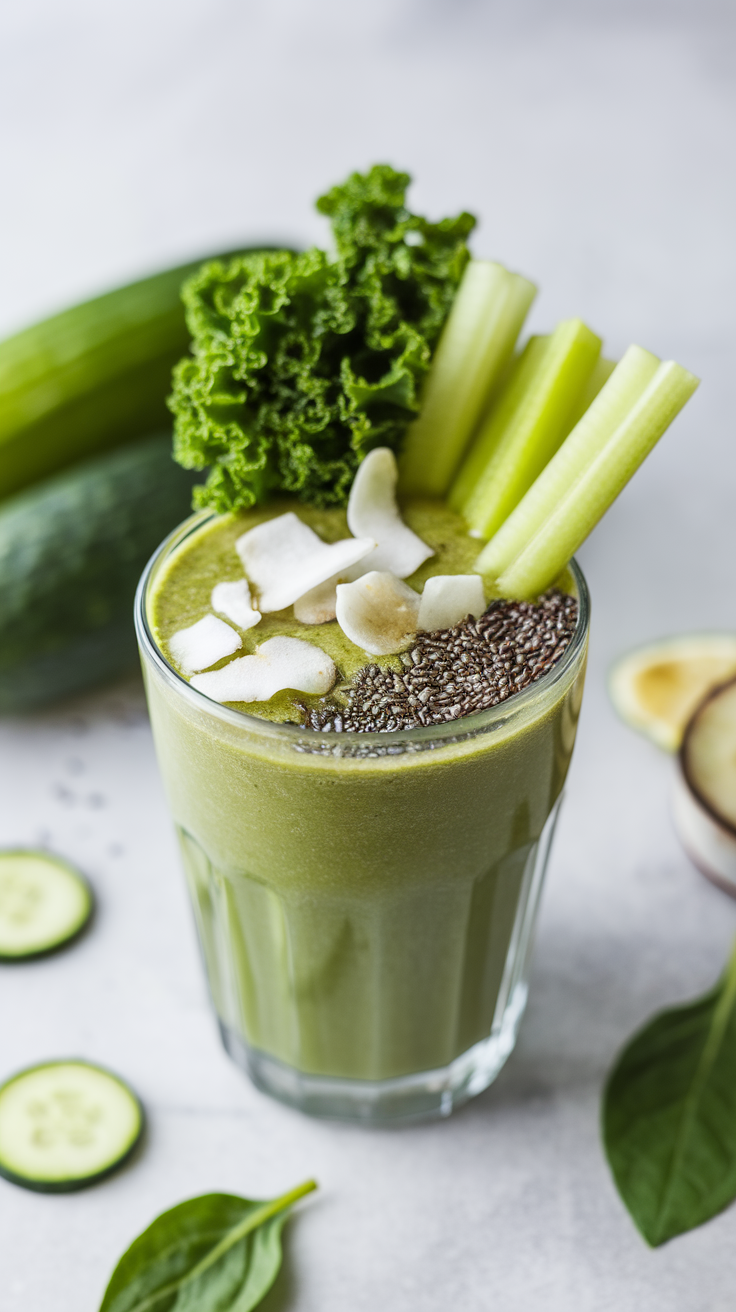
That’s where people go wrong. They toss in kale, parsley, celery, cucumber, chia, hemp hearts, flax, protein powder, turmeric, ginger, and half a lemon, then act surprised when it tastes aggressive. IMO, that’s not a smoothie. That’s a dare.
The easiest formula that actually works
Here’s the basic combo I come back to again and again:
- 1 banana
- 1 cup frozen pineapple or mango
- 1 big handful of spinach
- 1/2 cup Greek yogurt
- 3/4 to 1 cup milk or water
- Ice, if needed
That’s it. Six normal ingredients. No weird powders. No leaves that taste like they’re mad at you.
The banana gives sweetness and body. The frozen fruit makes it cold and tropical, which helps cover the “green” flavor. Spinach is mild, easy to blend, and way less bossy than kale. Greek yogurt adds creaminess and a little protein, so the smoothie feels more like a real breakfast and less like green juice wearing a disguise.
Why spinach wins
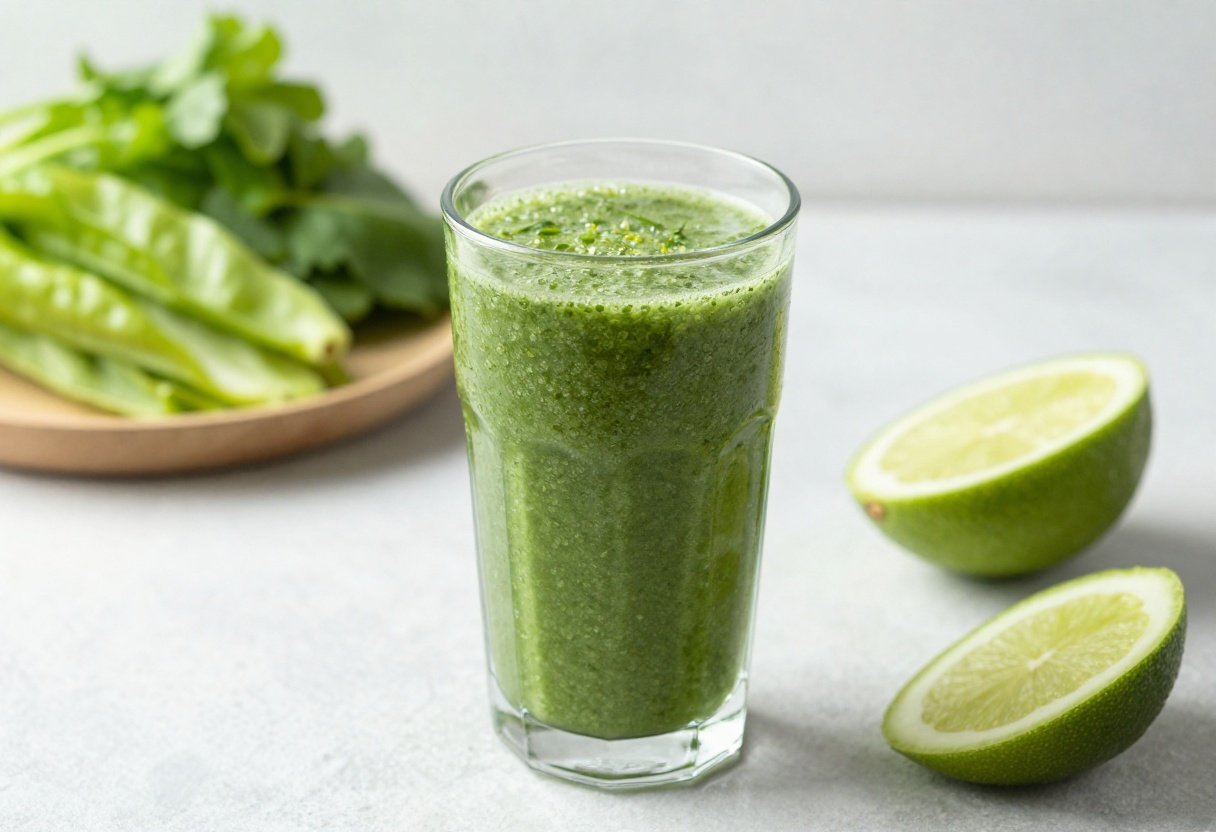
If you’re trying to make a green smoothie that tastes good, spinach is your best friend.
It has a mild flavor, especially when blended with sweet fruit. It doesn’t have the bitter edge kale often brings. It also blends nicely without turning your drink into a chunky swamp. Very important.
Kale has its place, sure. But if your goal is flavor first, spinach is the safer bet. Start there before you get ambitious.
A simple recipe worth repeating
Here’s a version that’s dependable, beginner-friendly, and honestly kind of hard to mess up.
Good-Tasting Green Smoothie
Ingredients:
- 1 ripe banana
- 1 cup frozen pineapple
- 1 packed cup fresh spinach
- 1/2 cup plain or vanilla Greek yogurt
- 3/4 cup milk, almond milk, or cold water
- A few ice cubes if you want it thicker
Instructions:
- Add the liquid first.
- Toss in the yogurt, spinach, banana, and frozen pineapple.
- Blend until smooth.
- Taste it. If it needs more sweetness, add a few more pineapple chunks or half a banana.
- Drink immediately, or refrigerate for a few hours.
That’s your baseline. Once you know you like it, then you can play around a little.
Smart swaps that keep it normal
Not everyone has the exact same ingredients on hand, and that’s fine. This smoothie is flexible without becoming one of those recipes that somehow calls for 14 optional add-ins.
You can swap pineapple for mango if you want a softer, less tangy flavor. Frozen peaches also work well. If you don’t do yogurt, use a splash more milk and maybe a bit of avocado for creaminess. Yes, avocado sounds suspicious, but in small amounts it works.
No banana? Use frozen mango and a couple of spoonfuls of yogurt to keep the texture smooth. It won’t be exactly the same, but it’ll still be good.
Things that make green smoothies taste worse fast
A few ingredients can ruin a perfectly nice smoothie in seconds. Tragic, really.
Too many greens is the main problem. One generous handful of spinach is plenty for most people. You do not need half the produce drawer in there.
Too little fruit is another one. Fruit balances the earthy flavor and gives the smoothie its personality. Without enough of it, you’re basically blending salad.
Strong add-ins can also hijack the whole drink. Ginger, lemon juice, celery, and protein powder can be great in small amounts, but they turn bossy fast. FYI, if you’re trying to make a smoothie you’ll crave, keep the experiment level low at first.
A few tips for better texture
Texture matters more than people admit. A smoothie can taste decent and still feel weird enough that you never make it again.
Use frozen fruit whenever possible. It makes the smoothie cold and thick without needing a ton of ice, which can water things down. Blend longer than you think you need to, especially if you’re using leafy greens.
And if your blender isn’t exactly high-performance, blend the spinach and liquid first. That helps avoid random green flecks, which aren’t a crime, but they’re not exactly charming either.
FAQ
Can I use kale instead of spinach?
Yes, but expect a stronger flavor. If you’re just starting out, use mostly spinach and maybe a little kale mixed in.
What fruit hides the green taste best?
Pineapple, mango, and banana are the MVPs. They’re sweet, smooth, and good at covering any grassy notes.
Do I need yogurt?
Nope. Yogurt helps with creaminess and protein, but you can skip it. Use more frozen fruit or a little avocado if you still want that thick texture.
Is water okay instead of milk?
Yes. Water works fine, especially if you’re using banana and yogurt. Milk or almond milk just gives it a slightly richer taste.
How can I make it sweeter without adding sugar?
Use a riper banana or sweeter frozen fruit like mango or pineapple. That usually does the trick without needing honey or syrup.
Conclusion
A green smoothie that tastes good doesn’t need to be complicated, expensive, or loaded with ingredients that sound like they belong in a science lab. Stick with spinach, sweet fruit, something creamy, and enough liquid to blend it smoothly. Keep it simple, and suddenly the whole “healthy smoothie” thing becomes a lot less dramatic.