Healthy Smoothie Bowl That Looks as Good as It Tastes
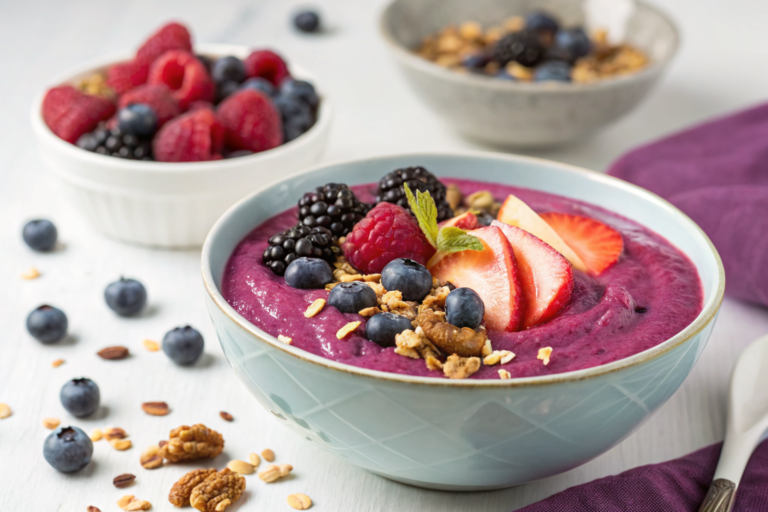
You know that moment when breakfast looks so good you almost don’t want to ruin it with a spoon? That’s the magic of a healthy smoothie bowl. It’s colorful, cold, creamy, and somehow manages to feel like a treat while still being packed with good-for-you stuff. Basically, it’s breakfast with main-character energy.
Why smoothie bowls are more than just pretty food
Let’s be honest: smoothie bowls got famous because they’re ridiculously photogenic. Bright fruit, neat little topping lines, maybe a sprinkle of chia seeds if you’re feeling fancy. But the real reason they’ve stuck around is simple—they’re actually satisfying.
Unlike a drinkable smoothie you accidentally inhale in 90 seconds, a smoothie bowl slows you down. You eat it with a spoon, add toppings with texture, and feel like you had a real meal instead of a fruity blur. That alone makes it a win.
And yes, they can be healthy. The trick is balance. A good smoothie bowl has fruit, some protein, healthy fat, and toppings that add crunch without turning the whole thing into dessert pretending to be wellness.
What makes a smoothie bowl healthy?
A healthy smoothie bowl isn’t just frozen fruit and wishful thinking. It should keep you full for more than half an hour and not send your energy crashing by 10 a.m. That means thinking beyond what looks cute on top.
Here’s the basic formula I swear by:
1. A thick frozen base
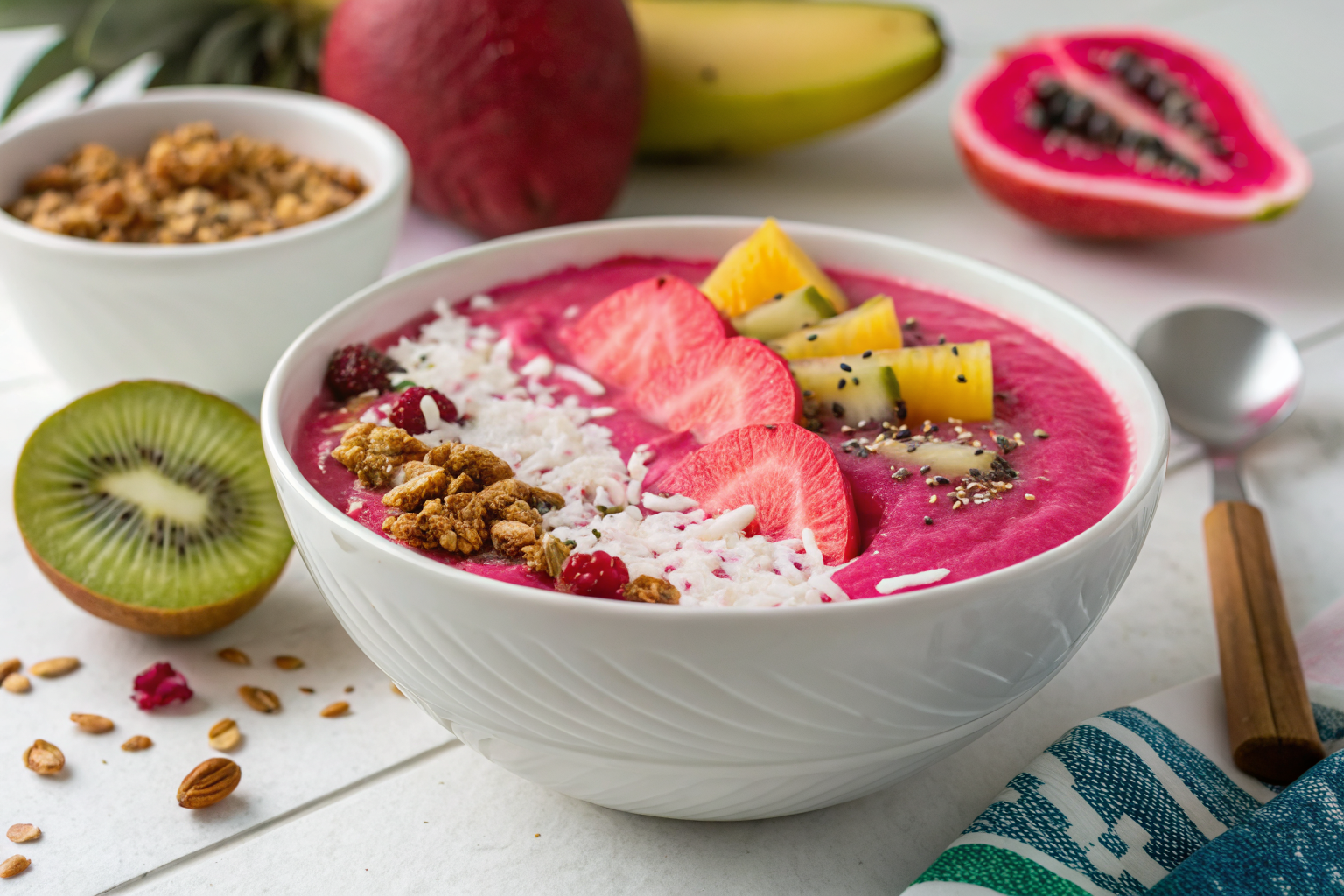
Use frozen fruit as the foundation. Bananas, berries, mango, pineapple, and dragon fruit all work well. Frozen ingredients create that thick, scoopable texture that separates a smoothie bowl from regular smoothie soup. Because nobody asked for cold fruit broth.
2. A creamy element
Greek yogurt, cottage cheese, avocado, or even a spoonful of nut butter can make the base extra rich. This is where a lot of the staying power comes from. It also helps the bowl feel indulgent without being heavy.
3. Protein
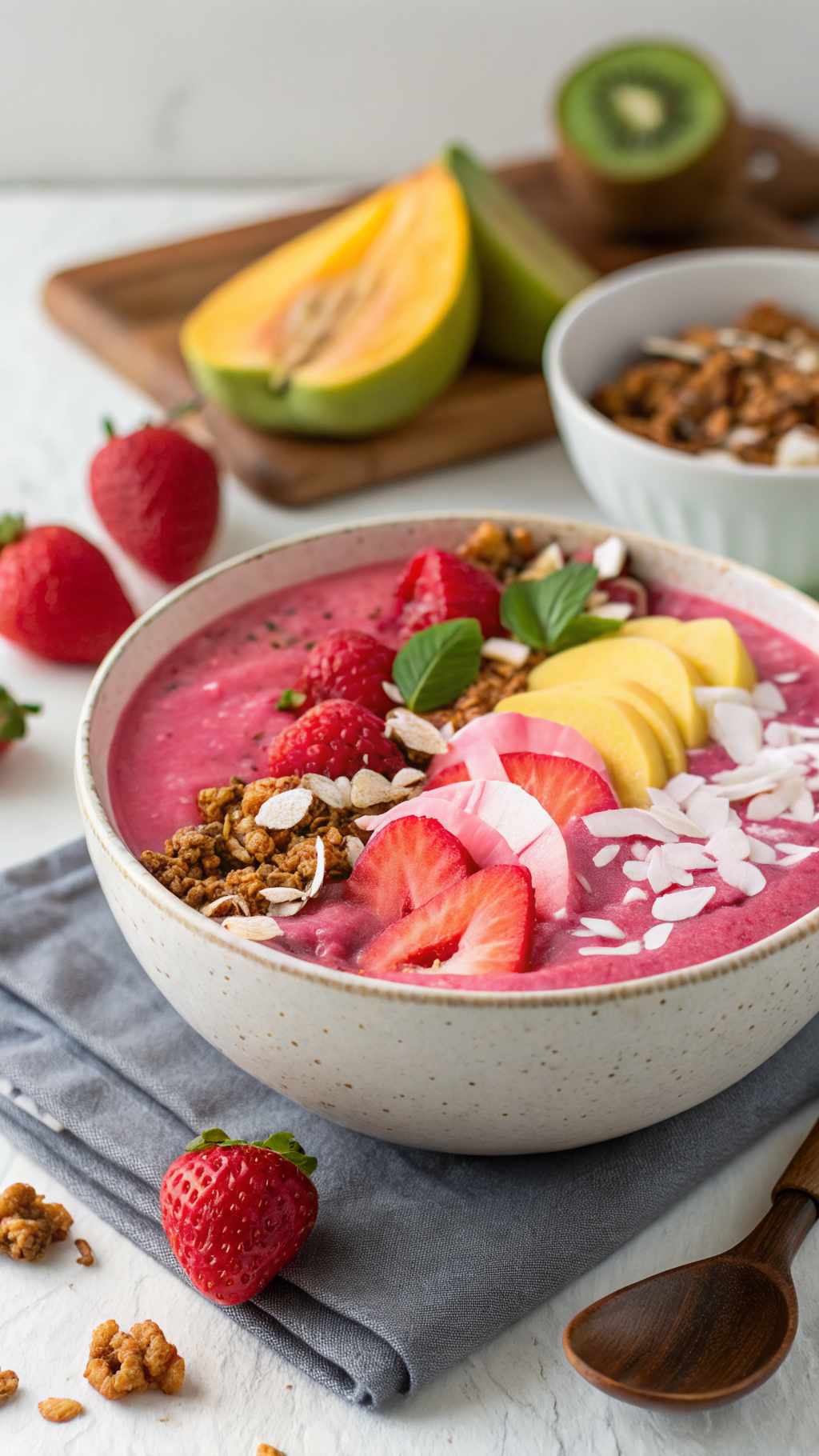
This matters more than people think. Protein powder, Greek yogurt, kefir, silken tofu, or even hemp seeds can help make your bowl more filling. IMO, if your smoothie bowl leaves you raiding the snack drawer an hour later, it needs more protein.
4. Smart liquid choices
Use just enough liquid to blend—seriously, just enough. Almond milk, oat milk, coconut water, or regular milk all work. Add too much, and you’ll end up with something drinkable, which kind of defeats the point.
The secret to a bowl that looks amazing
The best-looking smoothie bowls aren’t complicated. They just have contrast, color, and a little structure. Think of it less like cooking and more like edible decorating, minus the stress.
Start with a thick base. This is non-negotiable if you want toppings to sit nicely instead of sinking like tiny breakfast submarines. Blend slowly, scrape the sides, and resist the urge to keep pouring in liquid every five seconds.
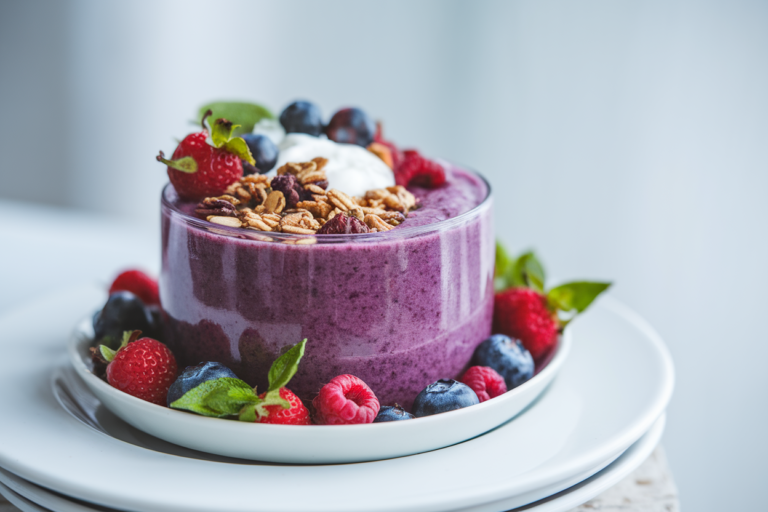
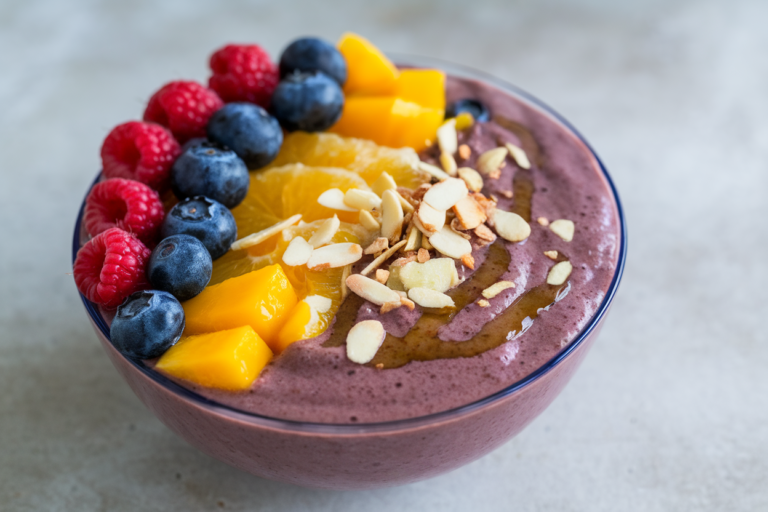
Then use toppings with different shapes and colors. Sliced strawberries, kiwi, blueberries, banana coins, coconut flakes, granola, cacao nibs, pumpkin seeds—these all create texture and visual interest. A bowl that’s all beige is probably healthy, sure, but it’s not exactly living its best life.
Try arranging toppings in rows, little clusters, or a half-moon shape. You don’t need professional food stylist skills. You just need to place things like you care a tiny bit.
Topping ideas that pull their weight
Toppings should do more than sit there looking pretty. They can add fiber, crunch, healthy fats, and extra flavor. Basically, they should earn their spot.
Some of my favorites:
- Fresh fruit: berries, banana, kiwi, mango, pomegranate
- Crunchy toppings: granola, chopped nuts, cacao nibs
- Seeds: chia, flax, hemp, pumpkin, sunflower
- Healthy fats: almond butter, peanut butter, coconut flakes
- Flavor boosters: cinnamon, cocoa powder, a drizzle of honey
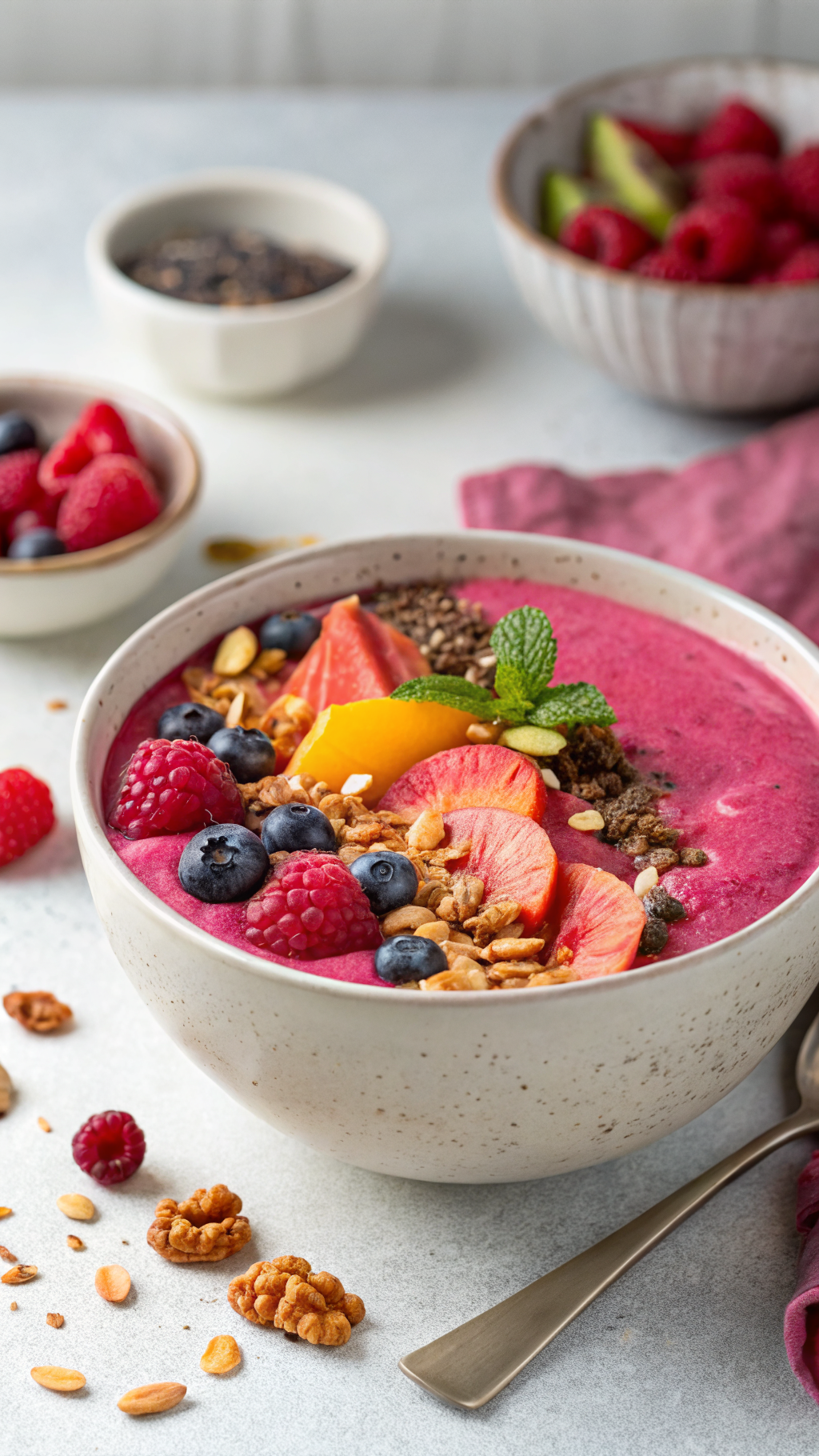
One small warning: toppings can go from wholesome to “accidentally made a 900-calorie breakfast” very fast. Nut butters, granola, and sweetened coconut are great, but portion them with a little restraint. Or don’t, but at least know what’s happening.
Easy flavor combos that never fail
If you’re staring at your blender like it personally offended you, start with these.
Berry almond bowl
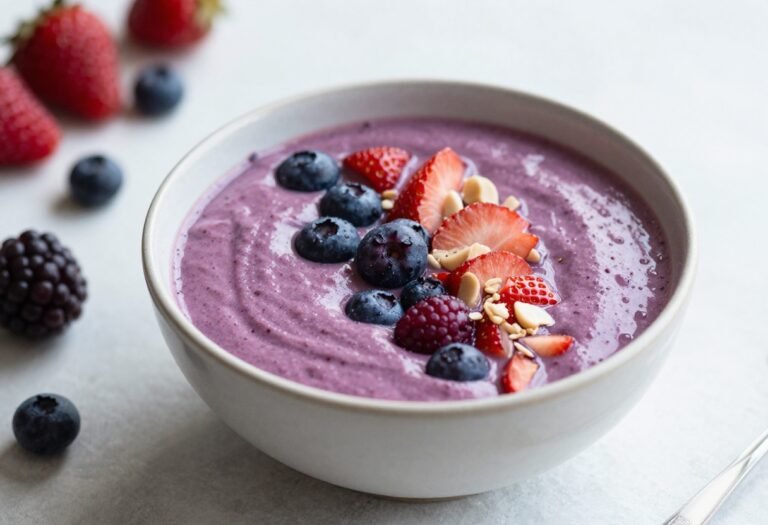
Blend frozen mixed berries, half a banana, Greek yogurt, and a splash of almond milk. Top with blueberries, sliced almonds, chia seeds, and a drizzle of almond butter.
Tropical green bowl
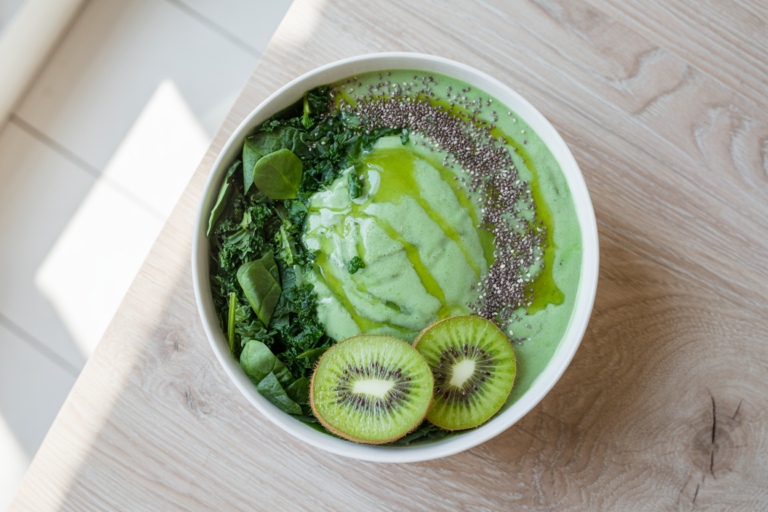
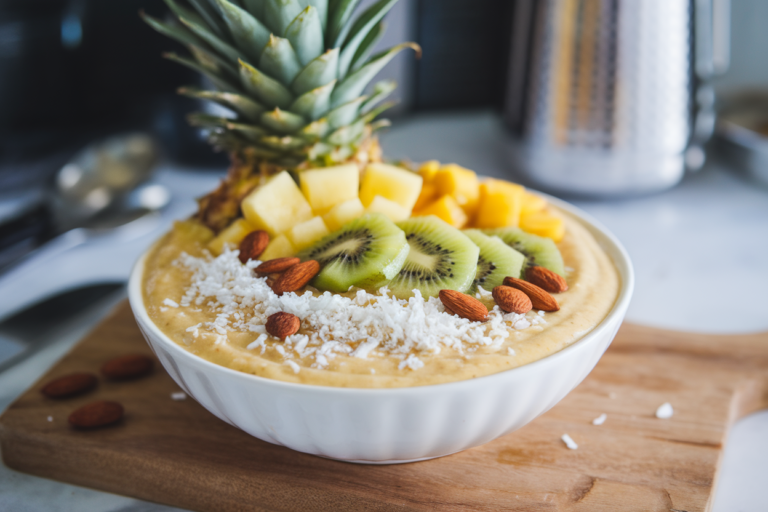
Blend frozen mango, pineapple, spinach, banana, and coconut water. Top with kiwi, coconut flakes, hemp seeds, and granola. It tastes like vacation, which is honestly rude on a weekday.
Chocolate peanut butter bowl
Blend frozen banana, cocoa powder, Greek yogurt, peanut butter, and a little milk. Top with banana slices, cacao nibs, and chopped peanuts. Healthy-ish meets dessert vibes.
Common smoothie bowl mistakes
A few things can ruin the whole experience, and they’re easy to avoid.
Using too much liquid is the big one. If your bowl pours, you’ve gone too far. Add liquid one splash at a time and trust the blender process.
Another mistake? Not using enough frozen ingredients. Ice can help in a pinch, but frozen fruit gives better flavor and texture. Ice just waters things down and acts like it helped.
And finally, skipping protein or fat. A beautiful bowl is nice. A beautiful bowl that keeps you full is better.
FAQ
Are smoothie bowls actually healthier than regular smoothies?
They can be, but not automatically. The main difference is often portion control and toppings. Since you eat a smoothie bowl with a spoon, you tend to slow down and feel more satisfied.
How do I make my smoothie bowl thicker?
Use frozen fruit, add very little liquid, and blend slowly. Banana, mango, and Greek yogurt are especially good for creating a thick, creamy texture.
Can I make a smoothie bowl without banana?
Absolutely. Use frozen mango, avocado, Greek yogurt, or even cauliflower for creaminess. Banana is popular, but it’s not the boss of breakfast.
What’s the best protein for a smoothie bowl?
Greek yogurt, protein powder, cottage cheese, tofu, and hemp seeds all work well. Choose based on your taste and dietary preferences.
Are smoothie bowls good for weight loss?
They can fit into a weight loss plan if you watch portions and balance ingredients. The biggest issue is usually overloading on high-calorie toppings, not the bowl itself.
Conclusion
A healthy smoothie bowl should taste great, look inviting, and actually keep you full. That’s the sweet spot. With a thick base, a few smart toppings, and a little color, you get a breakfast that feels fun without being nonsense. And honestly, if your meal looks this good and does something useful, that’s a pretty solid deal.