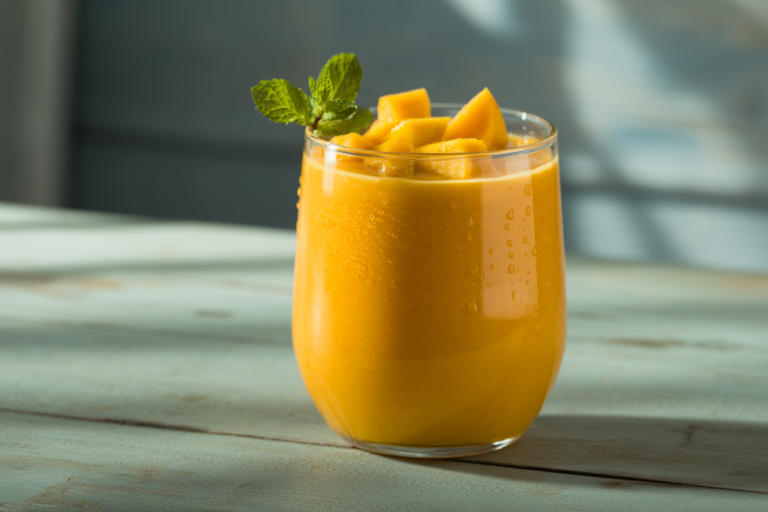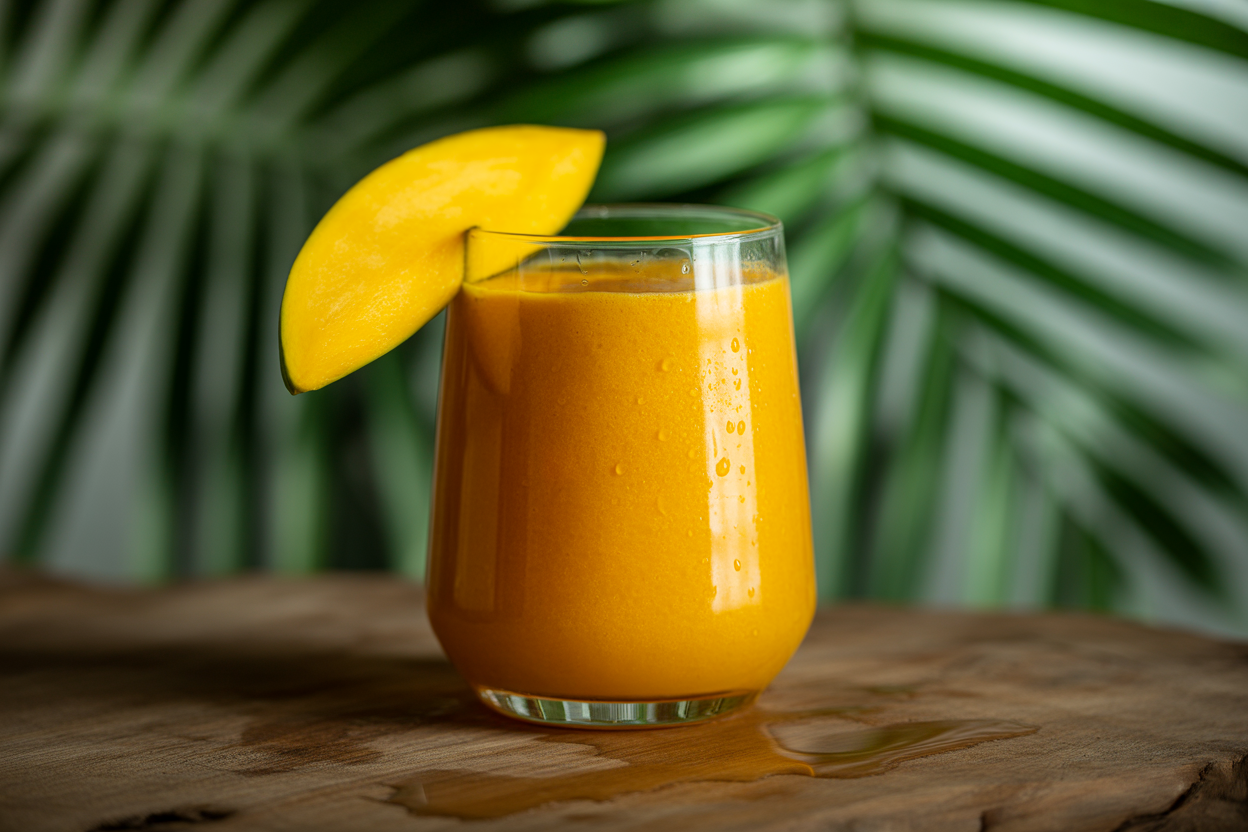
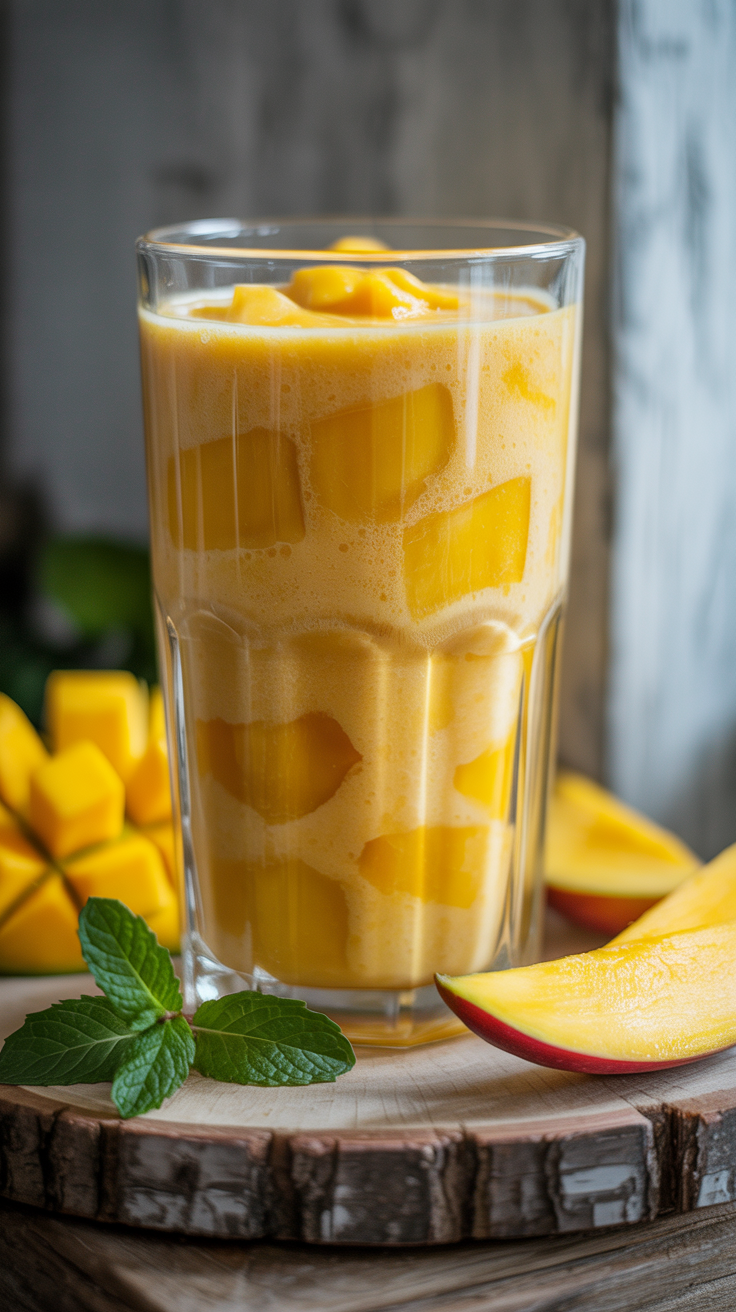
High Protein Mango Smoothie
Some smoothies taste healthy but leave you hungry 40 minutes later, staring into the fridge like it personally betrayed you. A high protein mango smoothie fixes that problem fast. It’s creamy, naturally sweet, and actually filling—the kind of drink that feels a little tropical and a lot more useful than a sad protein shake with water. If breakfast needs help or your post-workout routine is getting boring, this one deserves a spot in the rotation.
Why this smoothie works so well
Mango already does a lot of the heavy lifting here. It brings sweetness, a thick texture, and that bright, sunny flavor that makes everything feel a bit more exciting. Even on a random Tuesday, it gives strong vacation energy.
Now add protein, and suddenly you’ve got more than a fruity snack. The protein helps keep you full, supports muscle recovery, and turns the smoothie into something you can actually rely on. No sugar crash, no “why am I hungry again?” nonsense.
It’s also ridiculously easy to customize. Want it dairy-free? Done. Need more calories? Easy. Trying to keep it light? Also easy. This is one of those rare recipes that can be both practical and genuinely delicious.
The key ingredients
A great high protein mango smoothie doesn’t need a mile-long ingredient list. In fact, the simpler it is, the better it usually tastes.
Mango
Frozen mango is the MVP. It makes the smoothie cold and thick without needing a ton of ice, which, let’s be honest, often just waters everything down. Fresh mango works too, but frozen is easier and usually more consistent.
Protein source
This is where the “high protein” part actually happens, so don’t just wave a spoon near the blender and hope for the best.
Good options include:
- Vanilla or unflavored protein powder
- Greek yogurt
- Cottage cheese
- Silken tofu for a dairy-free option
Protein powder gives the biggest protein boost with the least effort. Greek yogurt adds creaminess and a little tang, which plays nicely with mango. Cottage cheese sounds weird until you try it—then you realize it makes smoothies insanely creamy. A little rude that it took us this long to respect it.
Liquid
You need enough liquid to blend everything smoothly, but not so much that you end up with mango soup.
Try:
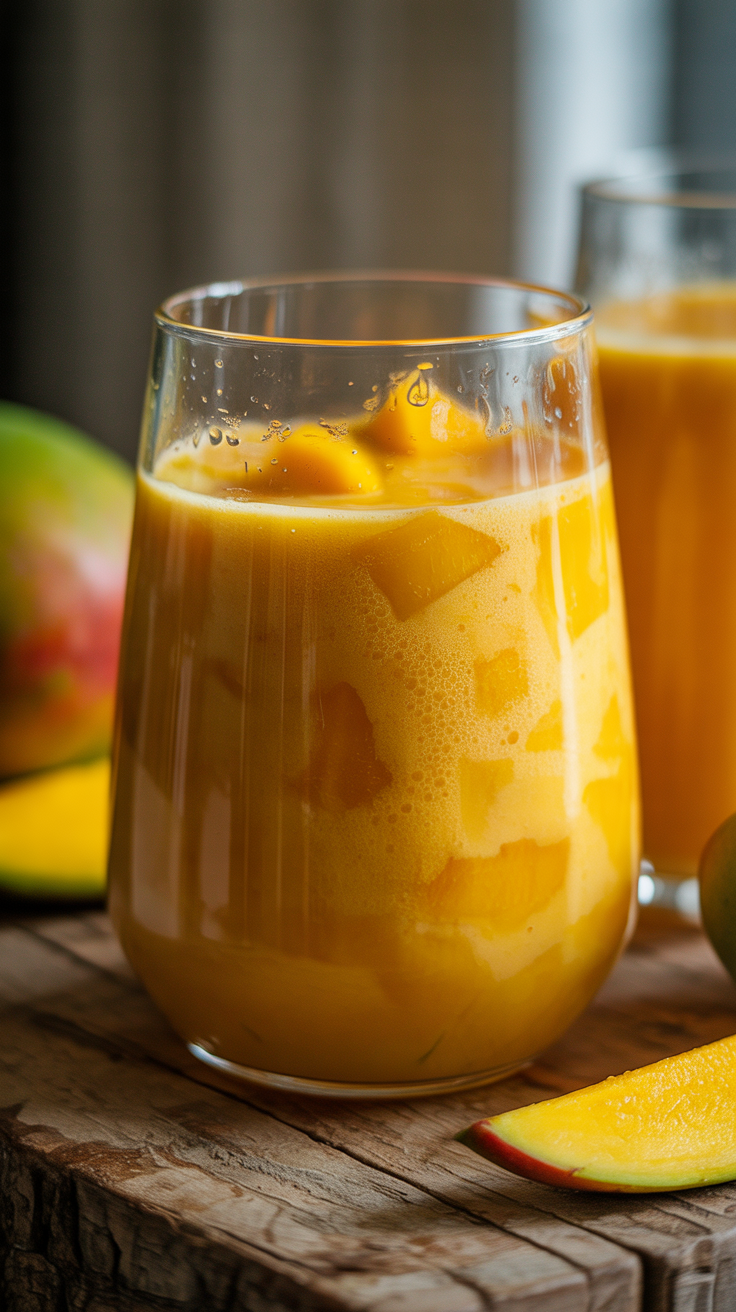
- Milk
- Almond milk
- Oat milk
- Coconut water
Milk gives a richer result and a bit more protein. Almond milk keeps things lighter. Coconut water makes it more refreshing, especially if you’re using the smoothie after a workout.
Extras that actually improve it
A few add-ins can take the smoothie from good to very good.
Popular choices:
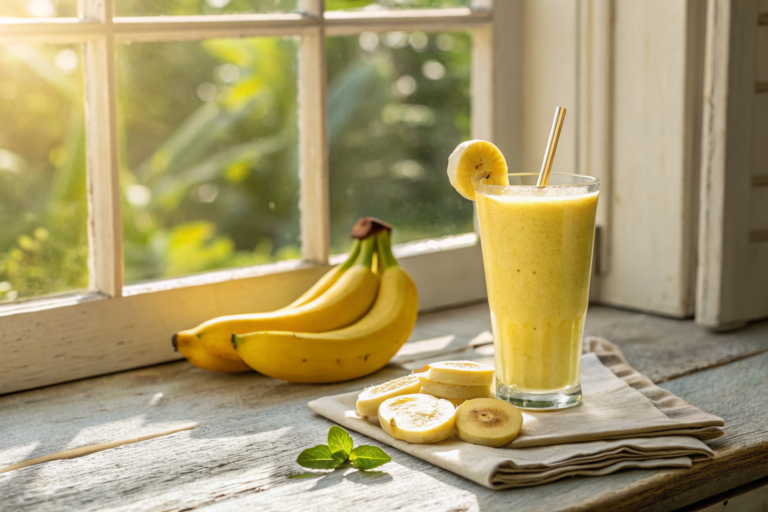
- Banana for extra creaminess
- Chia seeds or flaxseeds for fiber
- A spoonful of nut butter for richness
- Lime juice for brightness
- Spinach if you want greens without making it taste like a lawn
The trick is not adding every “healthy” ingredient you own at once. Mango is delicious. Let it have its moment.
A simple formula that works
If you want a reliable starting point, use this combo:
- 1 to 1 1/2 cups frozen mango
- 1 scoop vanilla protein powder
- 1/2 cup Greek yogurt
- 3/4 to 1 cup milk of choice
- Optional: 1/2 banana or 1 tablespoon chia seeds
Blend until smooth. Add more liquid if it’s too thick, or a few more frozen mango chunks if it’s too thin. That’s it. No complicated steps, no wellness-influencer drama.
This version usually lands around 25 to 35 grams of protein, depending on what you use. For most people, that’s enough to make it feel like a real meal or solid recovery snack.
How to make it taste amazing, not just “healthy”
This matters more than people admit. A smoothie can be technically nutritious and still taste like disappointment.
First, use ripe mango. If your mango tastes bland, the whole smoothie suffers. Frozen mango from a good brand usually saves you here.
Second, don’t overload the protein powder. Too much can make the texture chalky and the flavor weirdly artificial. One scoop is usually plenty unless you really need more.
Third, balance sweetness and acidity. If the smoothie tastes flat, a squeeze of lime or lemon can wake it right up. Tiny change, big difference.
And finally, keep it cold and thick. That’s part of the appeal. Nobody dreams about a lukewarm, watery smoothie.
Best times to drink it
This smoothie pulls its weight in a few different situations.
Breakfast
If you’re not a big breakfast person, this is an easy win. It’s fast, portable, and way more appealing than chewing dry toast while half-awake.
Post-workout
Protein plus carbs makes a lot of sense after exercise. The mango helps replenish energy, and the protein supports recovery. FYI, this is one of the few post-workout options that doesn’t feel like punishment.
Afternoon snack
When the 3 p.m. slump hits, this works better than grabbing something random and regrettable from the pantry. It keeps you full without feeling heavy.
Easy variations to try
Once you’ve nailed the basic version, mix it up.
Tropical version
Add pineapple and use coconut milk or coconut water. It tastes like beach weather, even if you’re drinking it under fluorescent office lights.
Green mango smoothie
Toss in a handful of spinach. The mango covers the flavor well, and you get a little extra nutrition without sacrificing taste.
Dessert-ish version
Add cinnamon, a dash of vanilla extract, and a spoonful of almond butter. IMO, this one feels suspiciously close to a milkshake.
Extra-filling version
Blend in oats and chia seeds. Great if you want something more substantial for breakfast.
FAQ
How much protein should a high protein mango smoothie have?
A good target is around 20 to 30 grams of protein per serving. More than that can work, but texture and flavor may start to suffer if you overdo the powder.
Can I make it without protein powder?
Yes, absolutely. Greek yogurt, cottage cheese, or silken tofu can all boost protein without using powder. Protein powder is convenient, but it’s not mandatory.
Is a mango smoothie good for weight loss?
It can be, depending on the ingredients and portion size. If you keep an eye on high-calorie add-ins and make sure it has enough protein and fiber, it can be very satisfying and help prevent snack spirals.
Can I prep it ahead of time?
You can, but smoothies are best right after blending. If you need to prep ahead, portion the ingredients into freezer bags or containers so they’re ready to dump into the blender.
What’s the best liquid to use?
It depends on the vibe you want. Milk gives creaminess and extra protein, almond milk keeps it lighter, and coconut water makes it more refreshing. There’s no single right answer here.
Conclusion
A high protein mango smoothie is one of those rare recipes that checks every box: easy, tasty, filling, and flexible. It works for breakfast, recovery, or a quick snack when life gets chaotic and your hunger level is approaching dramatic. Keep frozen mango on hand, pick a protein source you actually like, and you’re basically five minutes away from a smoothie that earns its place.