Homemade Smoothie That Feels Better Than Store Bought
Store-bought smoothies look healthy, but let’s be honest: a lot of them taste like expensive melted sorbet with a wellness label slapped on top. They’re often too sweet, weirdly icy, or packed with mystery “boosts” you didn’t ask for. A homemade smoothie, on the other hand, can be cold, creamy, fresh, and actually satisfying. Once you get the hang of it, it feels less like blending fruit and more like cheating the system a little.
Why homemade just hits different
The biggest difference is control. You decide how sweet it is, how thick it is, and whether it tastes like real fruit or like someone waved a banana near a chemistry set. That alone puts homemade smoothies in a different league.
Then there’s freshness. When you blend ripe fruit, good yogurt, cold milk, or whatever base you love, the flavor feels brighter and cleaner. Store-bought smoothies often have to survive shelves, transport, and a lot of processing. Your blender? It just has to survive your kitchen counter.
And let’s talk texture, because texture is where homemade wins hard. You can make it silky, thick enough for a spoon, or light enough to sip through a straw without feeling like you’re fighting for your life. That level of customization is wildly underrated.
The real secret: balance
A great smoothie is not just “throw fruit in a blender and hope.” That works sometimes, sure, but it also creates a lot of sad, watery situations. The best homemade smoothies balance a few basic elements.
You need a fruit base for flavor. Bananas, berries, mango, pineapple, peaches—classic for a reason. Frozen fruit usually works best because it gives you that thick, cold texture without needing a mountain of ice.
You need a liquid to help things blend. Milk, almond milk, oat milk, coconut water, regular water, or even cold tea can work. Start with less than you think you need. You can always add more, but you can’t un-soup a smoothie.
You also want something creamy or filling. Greek yogurt, avocado, nut butter, chia seeds, or even silken tofu can make a smoothie feel more like a meal and less like a fruity snack that disappears in ten minutes.
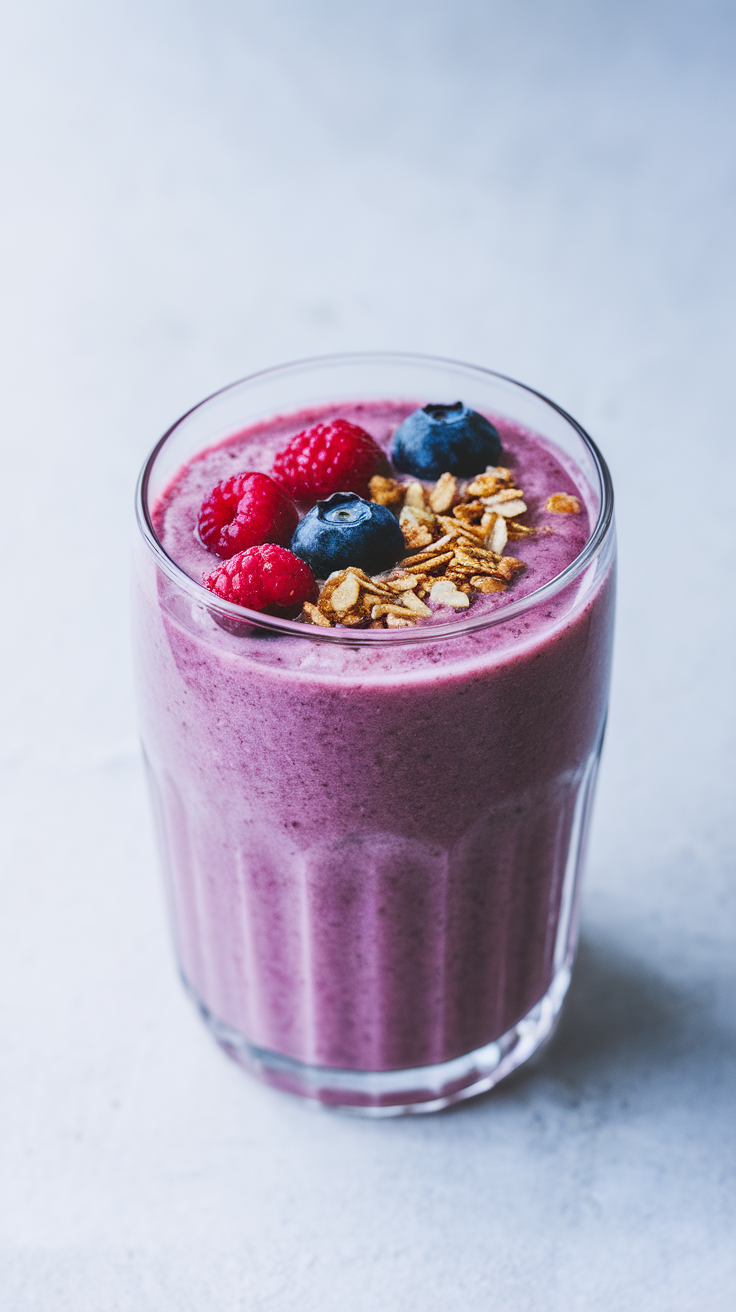
And finally, you need a flavor booster. Vanilla, cinnamon, cocoa powder, fresh ginger, lemon juice, or a tiny pinch of salt can wake everything up. Yes, salt in a smoothie sounds suspicious, but a little bit can make fruit taste more like itself.
Ingredients that make it taste better than the bottled stuff
If you want your smoothie to feel genuinely better than store-bought, quality matters more than fancy ingredients. You do not need powdered moon dust or a supplement with a 14-syllable name.
Use ripe fruit whenever possible. If bananas are spotty, great. If berries are in season, even better. Freeze extras before they go soft and sad in the fridge.
Greek yogurt is one of my favorite additions because it adds creaminess and a little tang without turning the whole thing into dessert. Nut butter is another MVP. A spoonful of almond or peanut butter makes a smoothie richer and more satisfying without much effort.
Also, don’t underestimate citrus. A squeeze of lemon or lime can make fruit flavors pop in a way that feels weirdly professional. Like, suddenly your kitchen smoothie has opinions.
A simple formula that actually works
If you’re tired of guessing, use this basic ratio:
- 1 to 1 1/2 cups frozen fruit
- 1/2 to 3/4 cup liquid
- 1/2 cup yogurt or 1 small banana
- 1 tablespoon nut butter or seeds, optional
- 1 small flavor add-in like honey, vanilla, cinnamon, or ginger
Blend it, then check the texture. Too thick? Add a splash of liquid. Too thin? Add more frozen fruit. Too bland? A pinch of salt or squeeze of lemon usually fixes more than people expect.
IMO, this formula works for almost every kind of smoothie and saves you from random blender chaos.
Easy combinations worth repeating
Some combos just don’t miss. Here are a few that feel way more exciting than the average pre-made bottle.
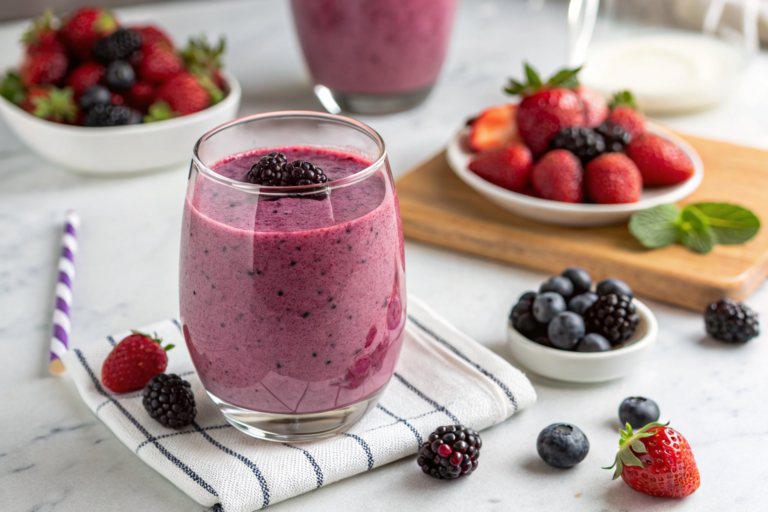
Berry vanilla
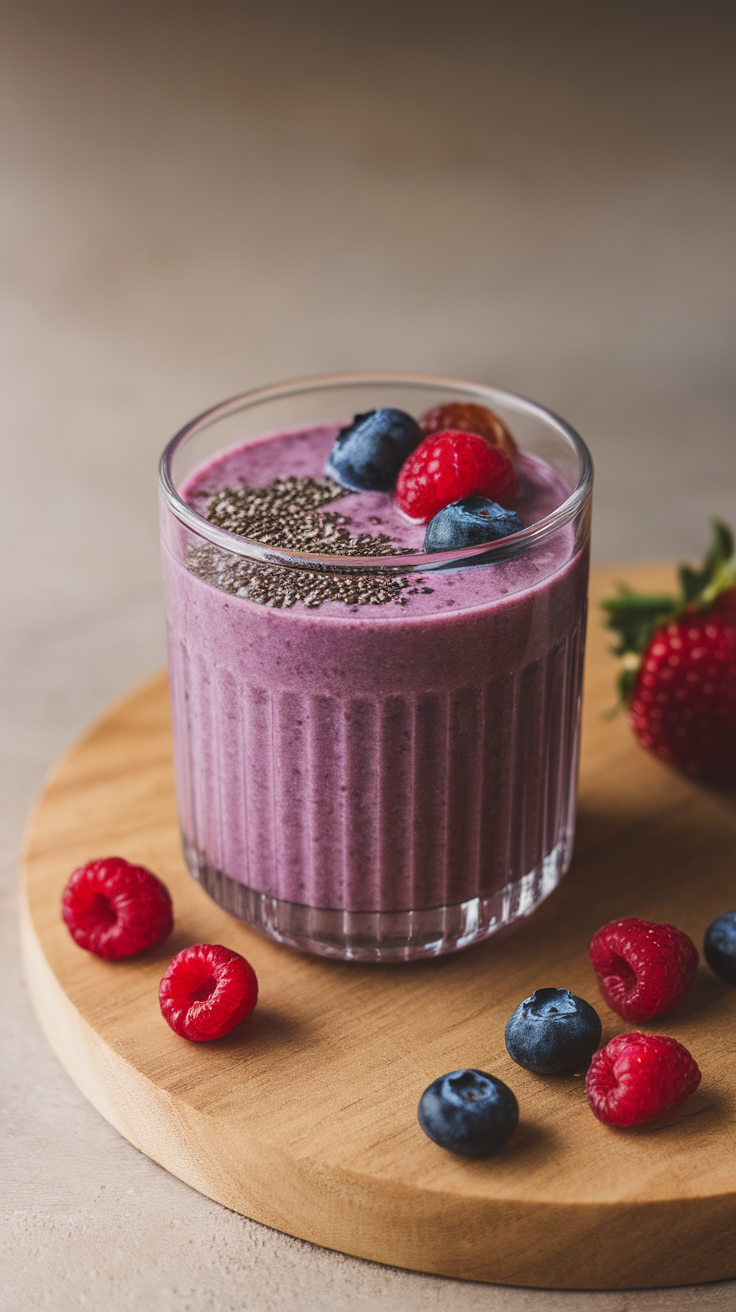
Frozen mixed berries, Greek yogurt, milk, vanilla, and a little honey if needed. It’s classic, bright, and tastes like breakfast pretending to be dessert.
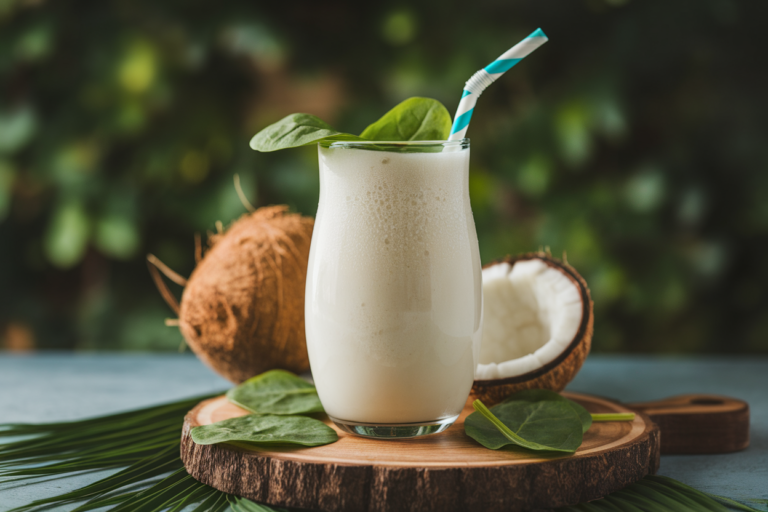
Mango pineapple coconut
Frozen mango, pineapple, coconut milk, and a squeeze of lime. This one tastes like you have your life together, even if your sink says otherwise.
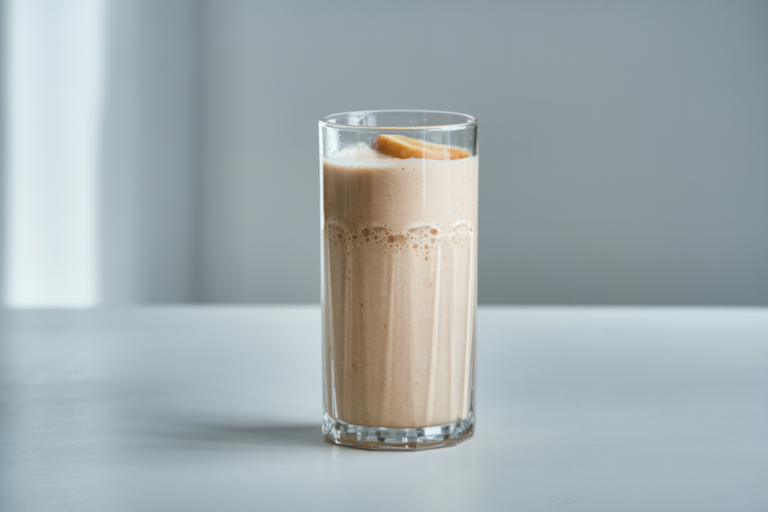
Peanut butter banana
Banana, milk, peanut butter, cinnamon, and a couple of ice cubes if the banana isn’t frozen. Rich, comforting, and weirdly good after a workout or a long afternoon of existing.
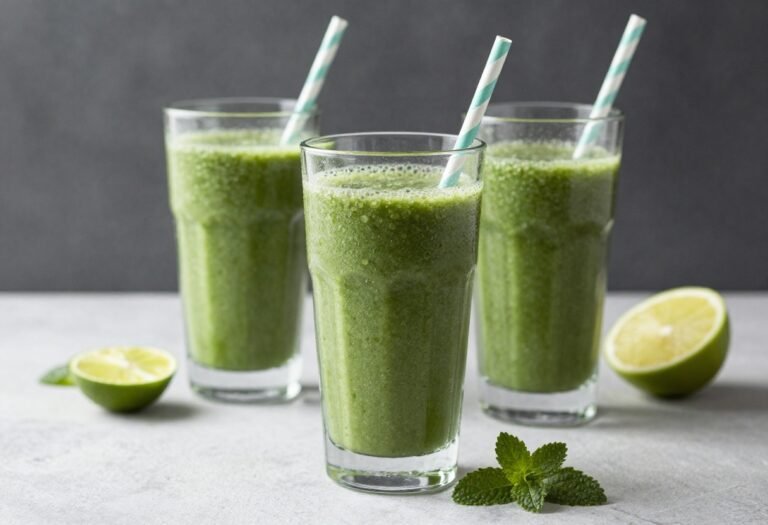
Green smoothie that doesn’t taste like lawn clippings
Frozen mango or pineapple, banana, spinach, yogurt, and orange juice. The fruit covers the greens beautifully, FYI. You get the color of health with the flavor of something you’ll actually drink.
Common mistakes that ruin the vibe
Too much liquid is the big one. People pour like they’re filling a pool, then wonder why the smoothie tastes watered down. Start small.
Too much ice is another problem. Ice can make a smoothie cold, sure, but it also dulls flavor fast. Frozen fruit does the job better.
And please taste before you pour it into a glass and walk away disappointed. One little adjustment—more fruit, more acid, a touch of sweetness—can take it from “fine” to “wait, this is excellent.”
FAQ
What’s the best fruit to use in a homemade smoothie?
Frozen bananas, berries, mango, and pineapple are all great choices. They blend well, add natural sweetness, and create a thick texture without much effort.
How do I make my smoothie thicker?
Use frozen fruit instead of fresh, reduce the liquid, or add ingredients like Greek yogurt, chia seeds, or avocado. Banana also helps a lot.
Can I make smoothies ahead of time?
Yes, but they’re best fresh. If you need to prep ahead, store the smoothie in a sealed jar in the fridge for up to 24 hours and shake it before drinking.
Do I need protein powder?
Nope. It can be useful, but it’s not required. Greek yogurt, milk, nut butter, and seeds can add protein without making your smoothie taste like sweet chalk.
How can I make a smoothie less sweet?
Add more unsweetened yogurt, a handful of spinach, extra liquid, or a squeeze of lemon juice. Avoid adding juice and sweetened yogurt if you want more control.
Conclusion
A homemade smoothie feels better than store-bought because it actually tastes like something made for you, not for a shelf. It’s fresher, more customizable, and usually more satisfying. Once you learn the balance, you can make smoothies that are creamier, brighter, and way less disappointing. Honestly, your blender deserves this moment.