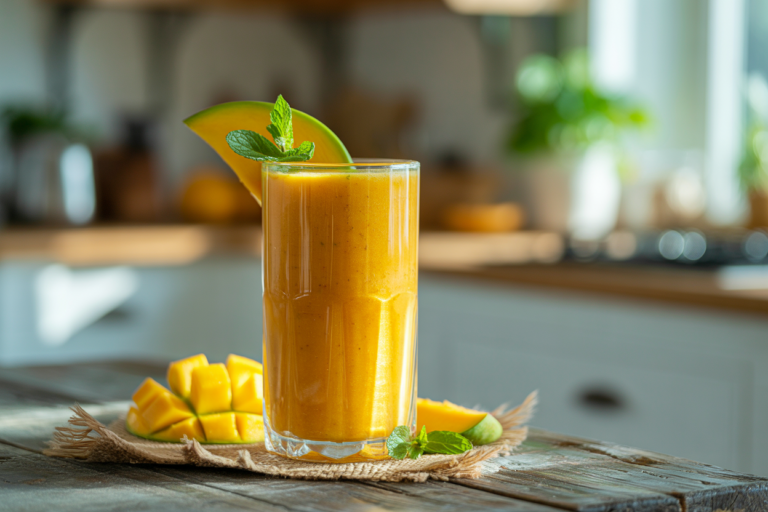
Mango Smoothie for Kids
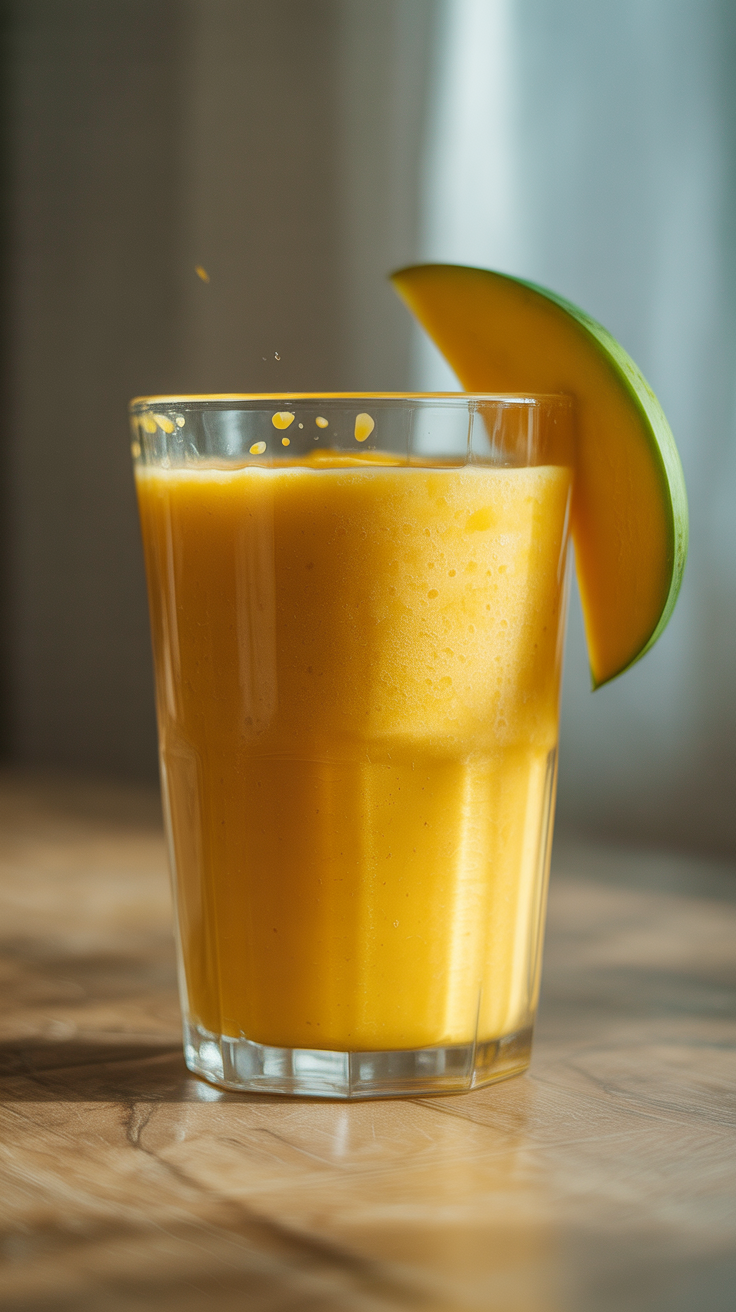
Getting kids to eat something fruity shouldn’t feel like a high-stakes negotiation, yet here we are. That’s exactly why a mango smoothie for kids is such a win. It’s sweet, creamy, bright, and honestly tastes more like a treat than a “healthy option.” If breakfast battles or snack-time drama are a regular thing in your house, this smoothie might become your new secret weapon.
Why mango smoothies work so well for kids
Mango has a natural sweetness that most kids love right away. You usually don’t need to pile in extra sugar, which is great because nobody needs a tiny human bouncing off the walls before 9 a.m.
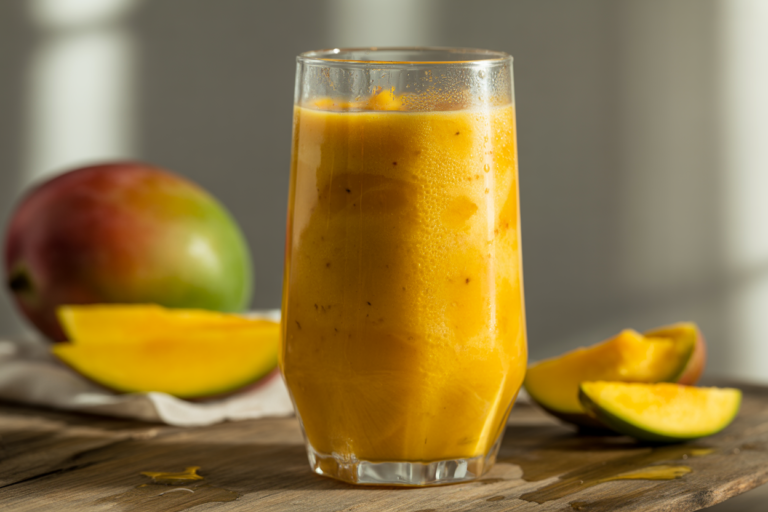
The texture helps too. A good mango smoothie turns out thick, silky, and easy to sip, which matters more than adults like to admit. Kids can be wildly picky about texture. One weird lump and suddenly the blender has “ruined their life.”
It’s also an easy way to sneak in good stuff without making it obvious. Mango brings vitamins, yogurt adds protein and calcium, and you can toss in extras like banana, oats, or chia seeds if your kid isn’t the type to launch a full investigation into every ingredient.
The basic mango smoothie recipe for kids
If you want a simple version that works almost every time, start here.
Ingredients
- 1 cup mango chunks, fresh or frozen
- 1 small banana
- 1/2 cup plain or vanilla yogurt
- 1/2 to 3/4 cup milk
- 1 teaspoon honey or maple syrup, optional
- A few ice cubes, optional
How to make it
Add everything to a blender and blend until smooth. Start with less milk if your child likes a thicker smoothie, then add more as needed.
That’s it. No advanced smoothie engineering required.
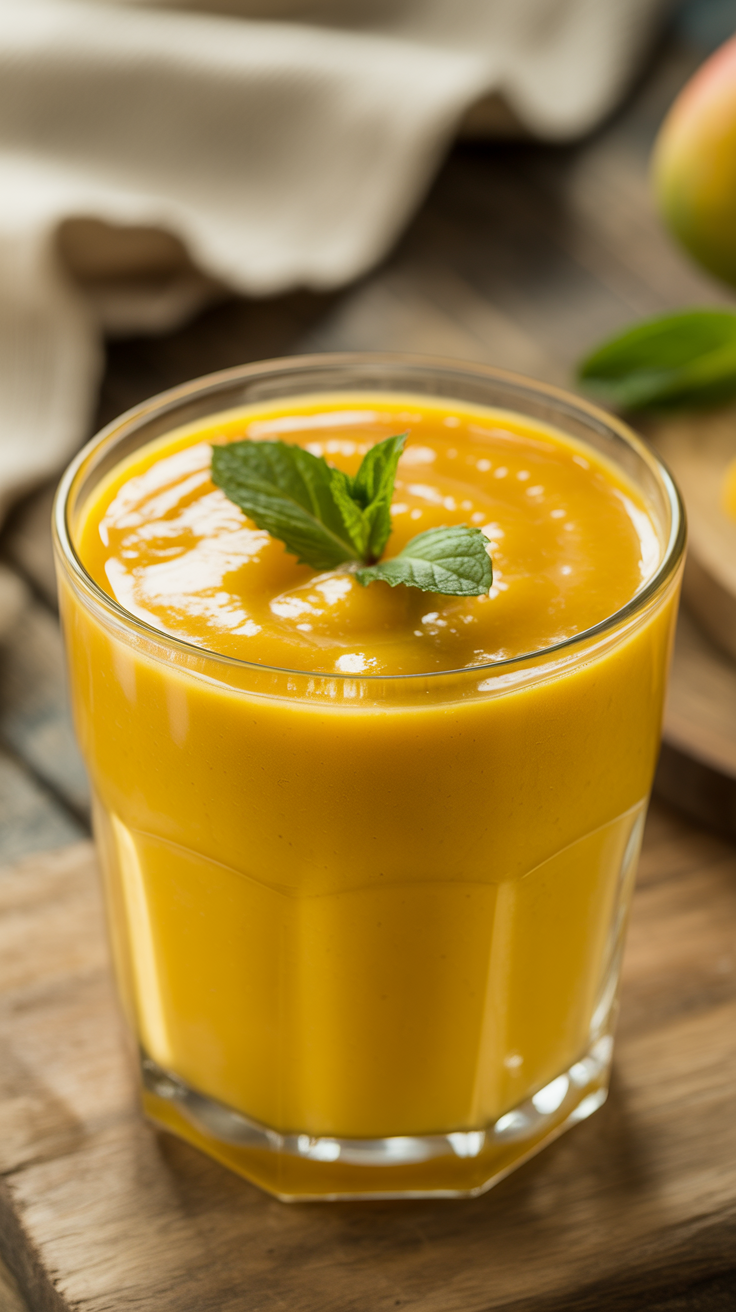
Frozen mango usually gives the best texture, IMO. It makes the smoothie cold and creamy without watering it down too much. Fresh mango works too, but you may want extra ice.
Easy ways to make it more kid-friendly
Not every child likes the exact same flavor. Shocking, I know. The good news is that mango plays nicely with other ingredients, so it’s easy to tweak.
For a creamier smoothie
Use Greek yogurt or add half an avocado. Don’t panic about the avocado. In small amounts, it mostly adds creaminess and healthy fats without turning the smoothie into guacamole.
For extra sweetness
Add a ripe banana or a splash of orange juice. Usually, ripe mango plus banana is enough, but some mangoes are less sweet than others.
For picky eaters
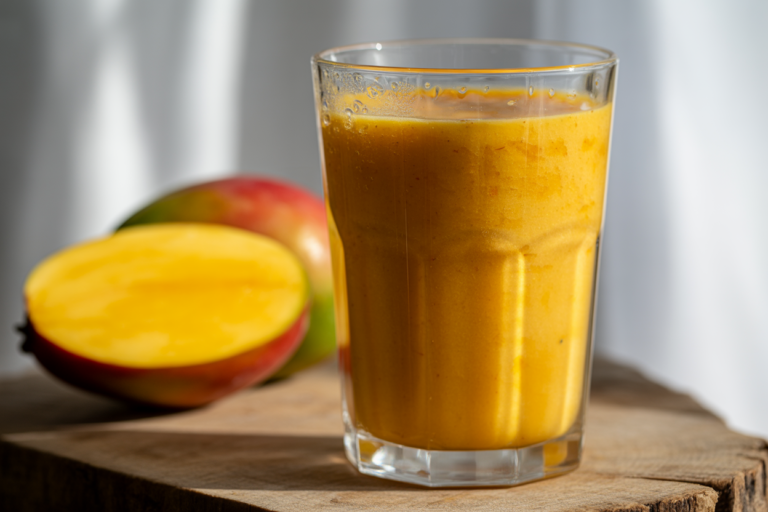
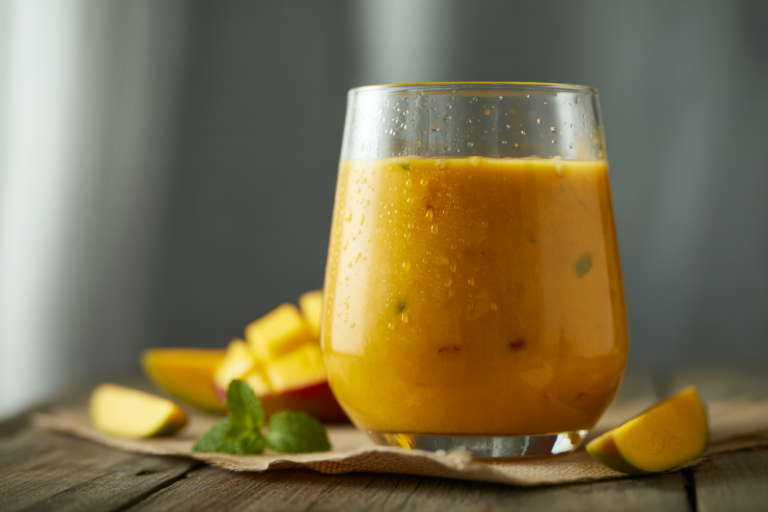
Keep the color bright and familiar. Mango, banana, and yogurt make a cheerful yellow smoothie that looks fun instead of suspicious. Sometimes that matters more than logic.
For a dairy-free version
Swap the yogurt for a dairy-free yogurt and use oat milk, almond milk, or coconut milk. Coconut milk works especially well with mango if you want a tropical flavor.
Smart add-ins that don’t ruin the vibe
You can absolutely boost the nutrition without making the smoothie taste like blended homework.
A spoonful of oats adds fiber and makes the smoothie more filling. This is especially helpful if you’re serving it for breakfast and not just as a snack.
Chia seeds or ground flaxseed are good options in small amounts. Start with a teaspoon. If you dump in too much at once, the texture changes fast, and kids notice everything.
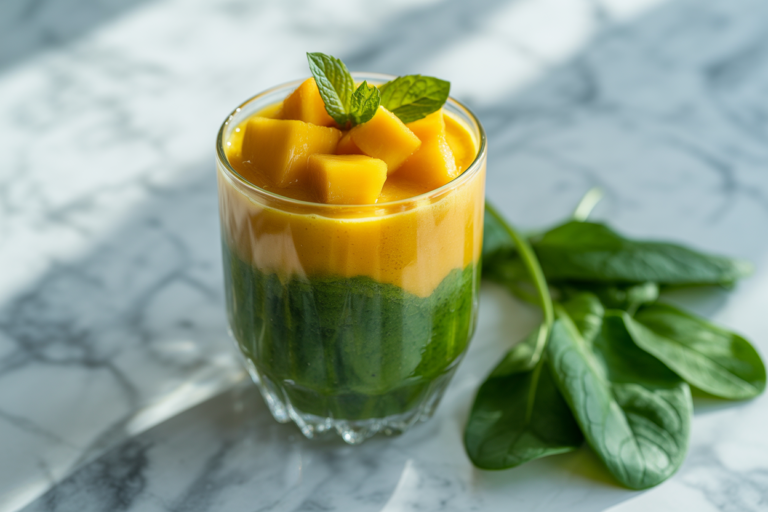
A handful of spinach can work too. Yes, really. Use just a little with plenty of mango and banana, and the flavor stays mild. The color may shift, though, so proceed with caution if your child treats green food like a personal insult.
Nut butter can also be a great add-in if there are no allergy concerns. Peanut butter or almond butter adds protein and makes the smoothie more satisfying.
Tips for serving mango smoothies to kids
Presentation helps. A lot. Serve the smoothie in a fun cup, use a colorful straw, or pour it into a small bowl and call it a smoothie bowl. Suddenly it’s exciting. Kids are funny like that.
Keep portions reasonable. A giant smoothie can feel overwhelming, especially for younger kids. Smaller servings usually go over better and create less waste.
You can also turn the smoothie into popsicles. This is one of my favorite moves because it feels like dessert while still being pretty wholesome. Plus, anything on a stick gets bonus points.
If you’re packing it for later, use an insulated bottle and give it a good shake before serving. Smoothies tend to separate a bit over time. Totally normal, but kids may act like science has betrayed them.
Common mistakes to avoid
Using too much liquid is probably the biggest one. A runny smoothie is sad for everyone involved. Start small and add more only if needed.
Another mistake is adding too many ingredients at once. Mango, banana, yogurt, spinach, oats, flax, peanut butter, cinnamon, and three other things may sound healthy, but the flavor can get weird fast. Keep it simple.
Also, taste it before serving. Mangoes vary a lot in sweetness, and a quick taste lets you fix the balance before your child takes one sip and declares the entire day ruined.
FAQ
Can babies or toddlers have a mango smoothie?
Yes, usually, as long as the ingredients are age-appropriate and already introduced safely. For toddlers, keep it simple and avoid too much added sweetener. Always check with your pediatrician if you have allergy or feeding concerns.
Is frozen mango better than fresh mango?
For smoothies, frozen mango is often better because it creates a thicker, colder texture. Fresh mango still works great, especially when it’s ripe and sweet.
How can I make a mango smoothie more filling?
Add Greek yogurt, oats, chia seeds, or a little nut butter. These ingredients help the smoothie stick with kids longer, which is especially useful at breakfast.
What if my child doesn’t like yogurt?
You can leave it out and use more milk, or replace it with a dairy-free yogurt alternative. Banana also helps keep the smoothie creamy.
Can I make it ahead of time?
Yes, but it’s best fresh. If you make it ahead, store it in the fridge for up to a day and shake or stir before serving.
Conclusion
A mango smoothie for kids is one of those rare foods that feels easy, tastes great, and doesn’t require a sales pitch. It’s flexible, fast, and simple to adjust for different ages and preferences. And when something fruity gets happily slurped instead of argued over? Honestly, that’s a parenting win worth repeating.