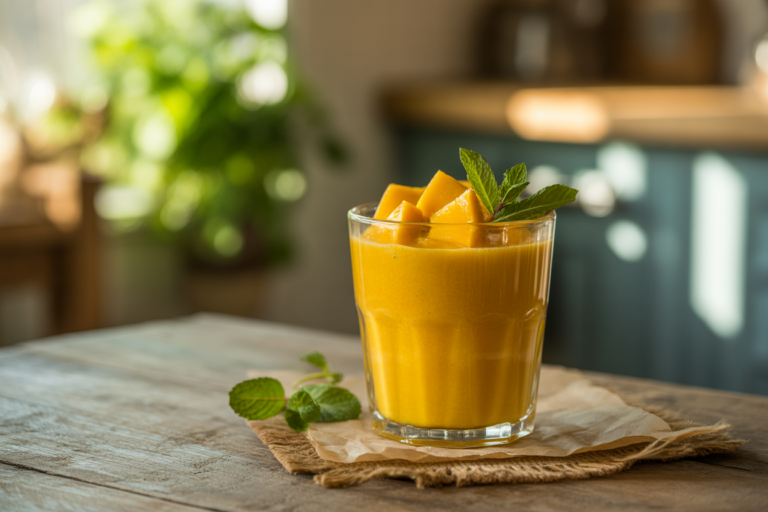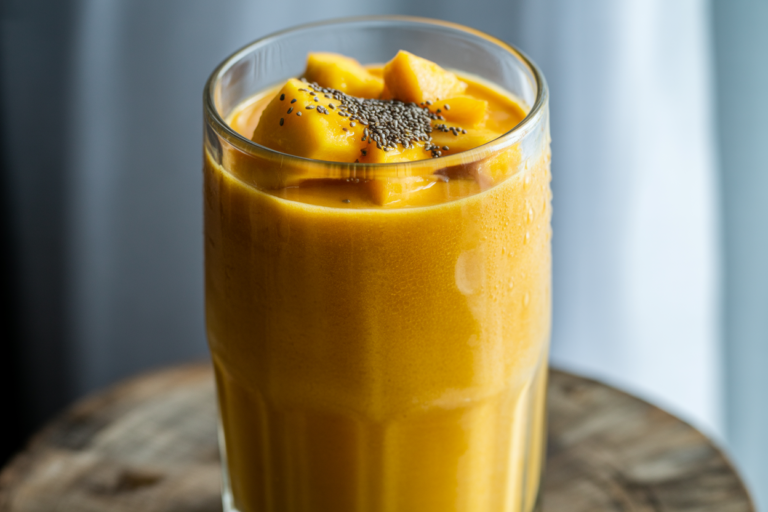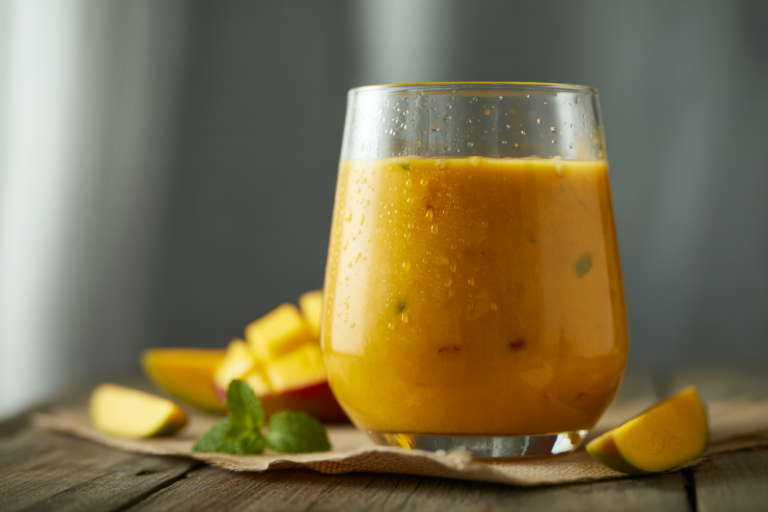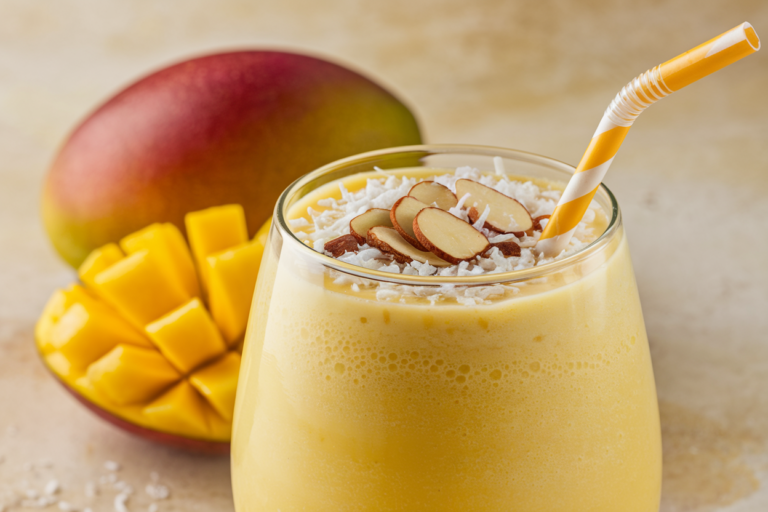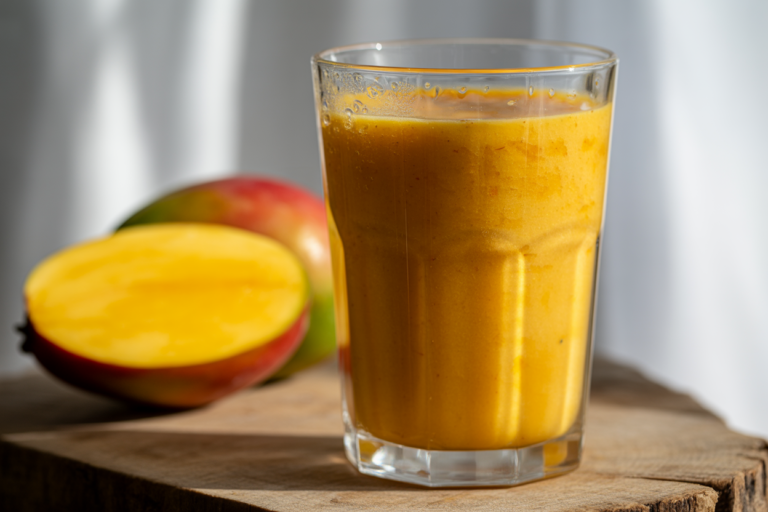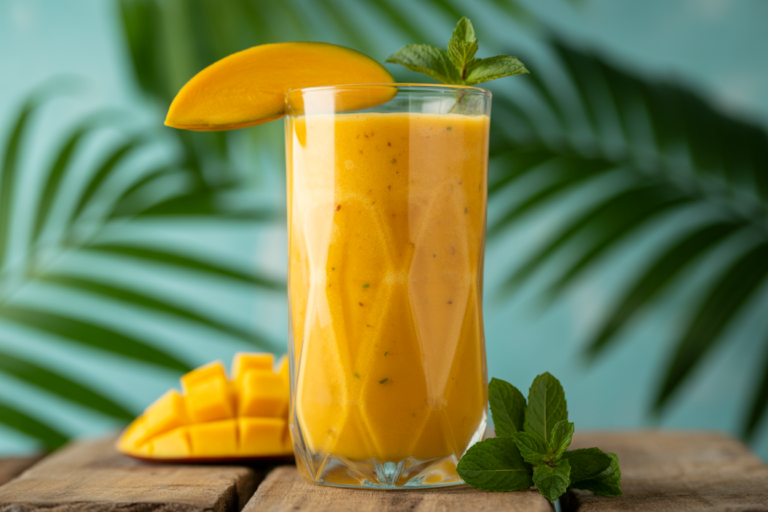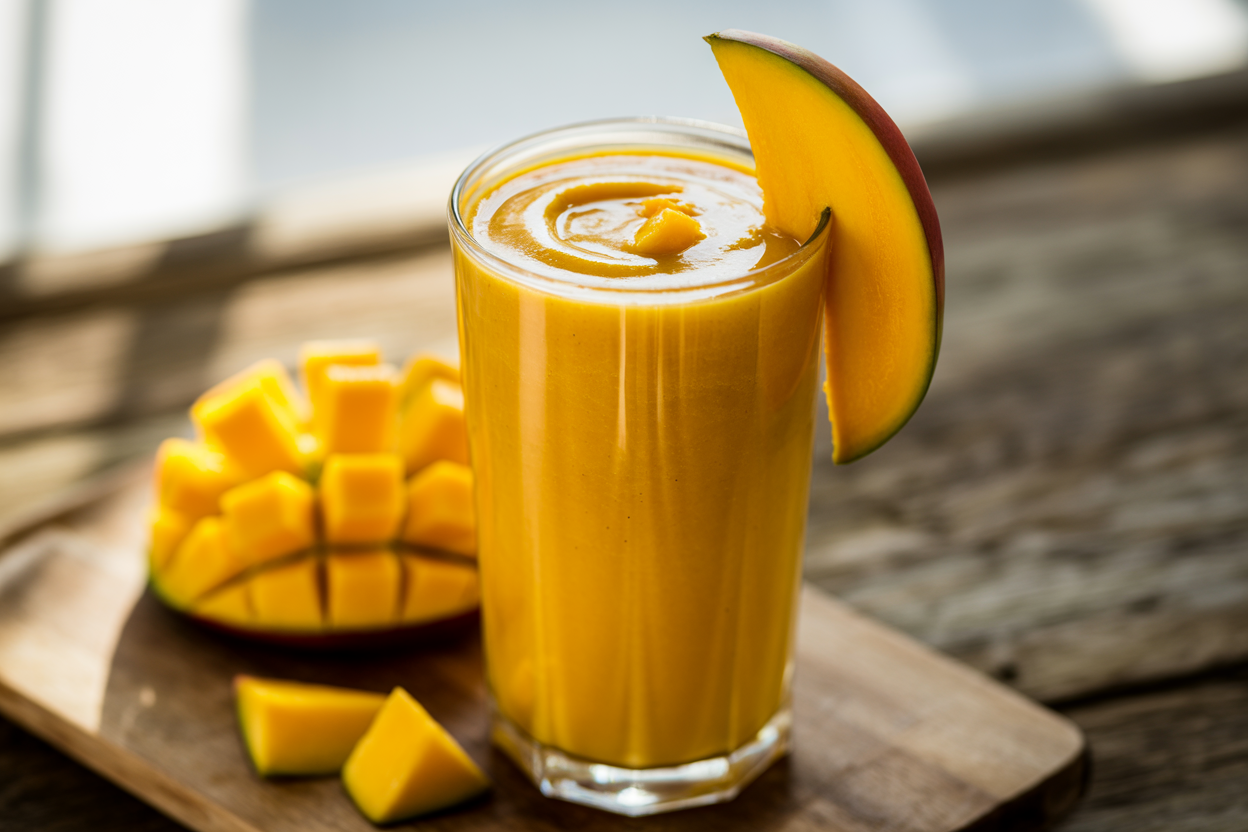
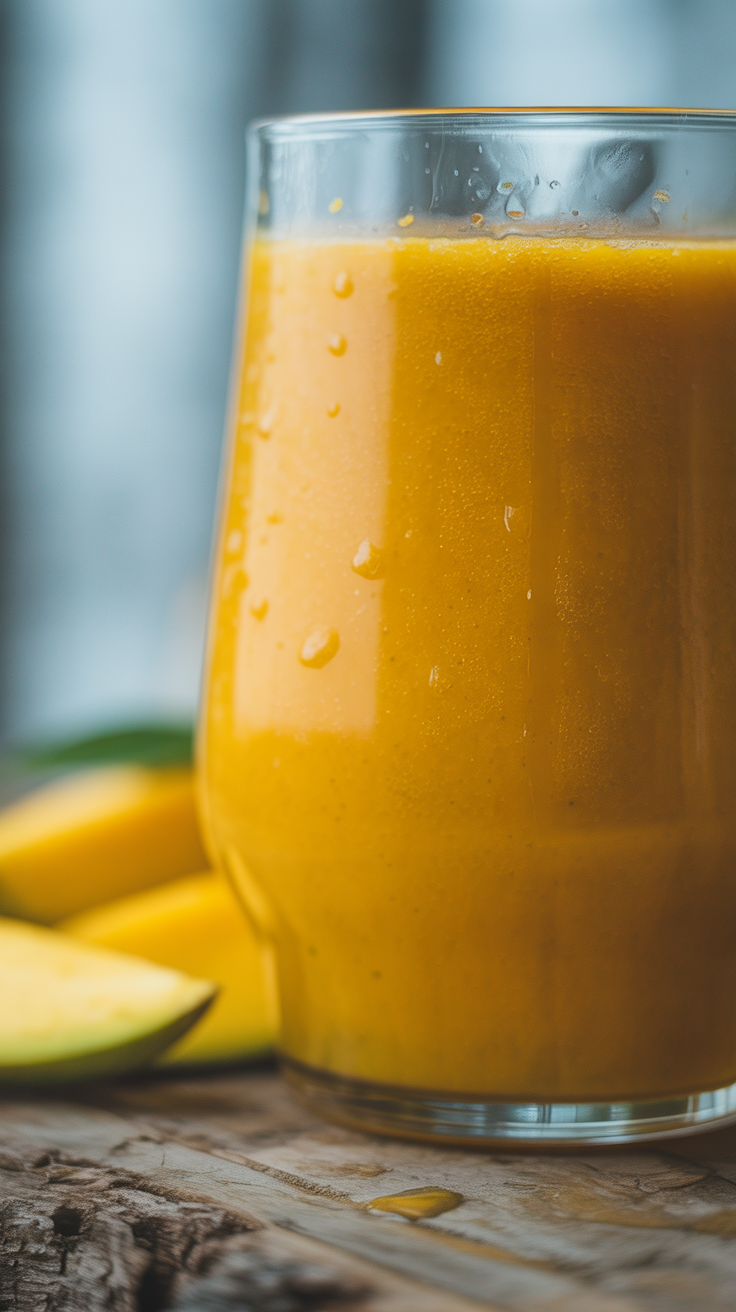
Mango Smoothie with Coconut Milk
Some drinks try way too hard. A mango smoothie with coconut milk doesn’t need to. It’s naturally creamy, sweet, tropical, and refreshing—the kind of thing that makes you feel like you’ve got your life together, even if you’re drinking it in pajama pants at 11 a.m. And honestly, that counts.
Why mango and coconut milk work so well together
Mango brings the bright, juicy sweetness. Coconut milk adds richness and that mellow, slightly nutty flavor that makes everything taste a little more luxurious. Put them together, and you get a smoothie that tastes like a beach vacation without the airport drama.
The texture is a big part of the appeal too. Mango can be thick and velvety on its own, especially if you use frozen fruit, but coconut milk makes it silky instead of icy. That means no weird watery separation five minutes later. Nobody wants a smoothie that gives up halfway through.
There’s also a nice balance happening here. Mango is bold and fruity, while coconut milk smooths it out and keeps it from being overly sugary. IMO, it’s one of the easiest flavor pairings to get right, even if you’re the kind of person who usually just throws random things in a blender and hopes for the best.
The basic formula
You really don’t need a complicated recipe. A solid mango smoothie with coconut milk usually comes down to a few basics:
- mango
- coconut milk
- ice or frozen fruit
- something to adjust sweetness or tang
- optional extras for texture or nutrition
A simple version might look like this: 2 cups frozen mango, 3/4 to 1 cup coconut milk, and a squeeze of lime. Blend, taste, adjust, done. If your mango is super ripe, you probably won’t need any sweetener at all.
Want it thinner? Add more coconut milk or a splash of water. Want it thicker? Use less liquid or throw in more frozen mango. It’s very forgiving, which is great because measuring perfectly before coffee is ambitious.
Choosing the right coconut milk
This part matters more than people think. “Coconut milk” can mean a few different things, and they don’t all give the same result.
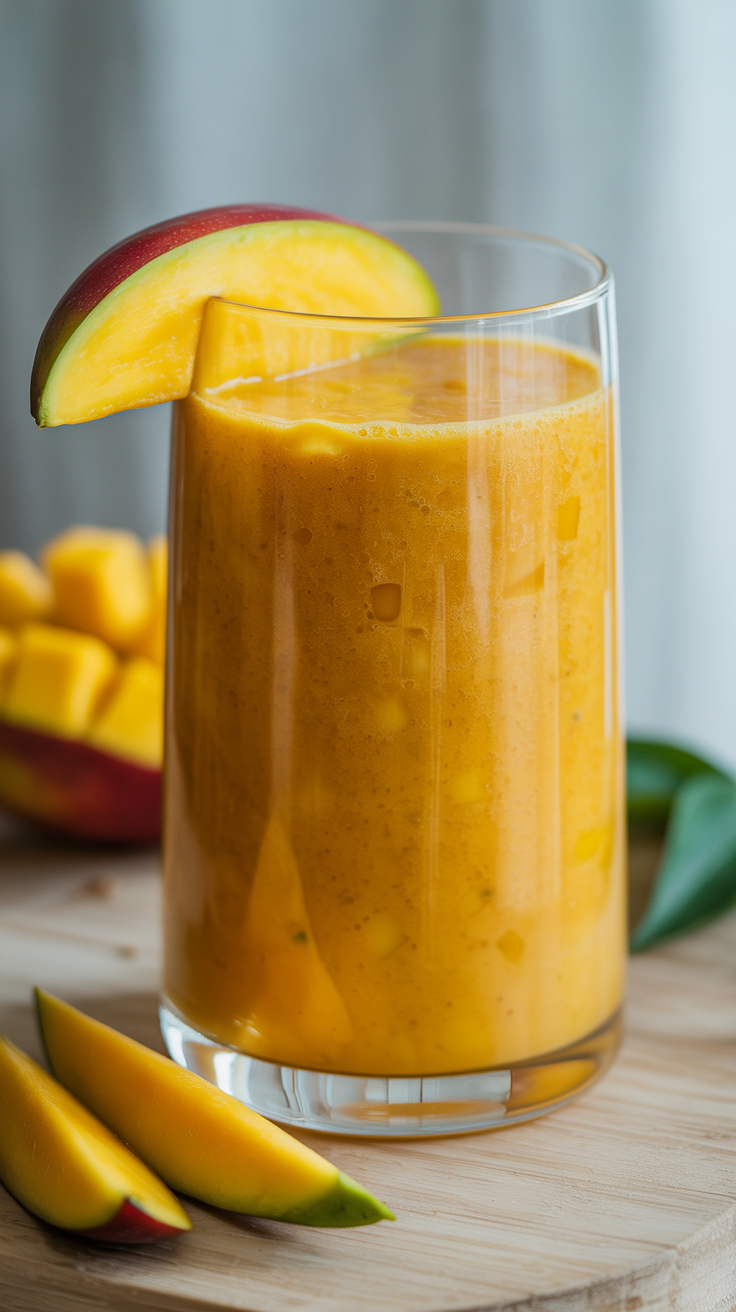
Canned coconut milk is rich, thick, and ideal if you want a creamy, dessert-like smoothie. It has more fat, so the texture feels extra lush. If that’s your goal, go for full-fat canned coconut milk and enjoy the glory.
Carton coconut milk, the kind often sold as a dairy-free milk alternative, is lighter and more drinkable. It still gives you coconut flavor, but the smoothie won’t be as rich. That’s not bad—it just depends on your mood. Sometimes you want tropical indulgence, and sometimes you want something you can casually sip without feeling like you blended a pie.
If you use canned coconut milk, shake or stir it first. It tends to separate in the can, which is normal, but not exactly charming when half your smoothie is coconut cream and the other half is confusion.
Fresh vs. frozen mango
Fresh mango is amazing when it’s perfectly ripe. It tastes vibrant, fragrant, and ridiculously good. The problem is that perfectly ripe mango has a small window, and mangoes love playing hard to get.
Frozen mango is the practical hero here. It’s convenient, available year-round, and makes the smoothie cold and thick without needing much ice. FYI, this is usually my first choice because it saves time and delivers a better texture.
If you only have fresh mango, no problem. Add a handful of ice cubes, or freeze the chopped fruit for 30 minutes before blending. That little step makes a noticeable difference.
Easy add-ins that actually make sense
A mango smoothie with coconut milk is already great on its own, but a few extras can make it even better—if you use them wisely. This is not an invitation to dump your entire pantry into the blender.
A squeeze of lime brightens everything up. It cuts through the richness and makes the mango taste even more mango-y, if that makes sense. It does.
Banana adds body and extra sweetness. Just know that banana can take over fast, so use half if you still want mango to be the star. This is a smoothie, not a banana monologue.
You can also add:
- Greek yogurt for extra creaminess and protein
- chia seeds or flax for a nutrition boost
- shredded coconut for more texture and flavor
- a little honey or maple syrup if your fruit isn’t sweet enough
- a pinch of ginger for a fresh, slightly zippy edge
Vanilla works too, especially if you want the smoothie to taste a bit more dessert-like. Just don’t overdo it. Mango has enough personality already.
Common mistakes to avoid
The biggest mistake? Too much liquid. It’s easy to pour in coconut milk like you’re making soup, then realize your smoothie has the consistency of expensive juice. Start with less and add more only if needed.
Another common issue is using bland mango. If the fruit doesn’t taste good, the smoothie won’t magically fix it. Good ingredients matter here because there are so few of them.
Also, watch the sweetener. Mango is naturally sweet, and coconut milk has its own subtle sweetness too. Taste before adding honey or sugar. Your blender doesn’t need chaos.
When to serve it
This smoothie works at breakfast, as a post-workout drink, an afternoon snack, or even a light dessert. It feels energizing but also kind of indulgent, which is a rare and beautiful combo.
If you want to make it feel a little fancier, pour it into a chilled glass and top it with toasted coconut, diced mango, or a lime wedge. Suddenly it looks intentional. Very impressive for something that took five minutes.
FAQ
Can I make a mango smoothie with coconut milk without banana?
Absolutely. In fact, it’s great without banana because the mango flavor stays front and center. Frozen mango alone gives plenty of thickness.
Is canned or carton coconut milk better for smoothies?
It depends on the texture you want. Canned coconut milk makes the smoothie richer and creamier, while carton coconut milk keeps it lighter and more drinkable.
How can I make it sweeter naturally?
Use very ripe mango, or add a little banana, dates, or a drizzle of honey. Taste first, though—mango often does the job on its own.
Can I prep it ahead of time?
Yes, but it’s best right after blending. If you need to prep, freeze the mango in portions and keep the add-ins ready so you can blend it fresh in a minute or two.
What can I add for more protein?
Greek yogurt, protein powder, or even silken tofu work well. They blend smoothly and don’t fight too much with the mango-coconut combo.
Conclusion
Mango smoothie with coconut milk is one of those rare recipes that feels both easy and a little special. It’s creamy, bright, and endlessly adaptable without becoming complicated. If you want a smoothie that tastes like sunshine and doesn’t require a culinary identity crisis to make, this is the one.