Post Workout Smoothie That Feels Refreshing Instead of Heavy
You crushed your workout. Great. The last thing you want now is a smoothie that sits in your stomach like a wet bag of cement.
A good post-workout smoothie should wake you up, cool you down, and help you recover without making you feel like you accidentally drank dessert. If you’ve ever chugged one of those thick, peanut-butter-banana-oat monsters and immediately regretted your life choices, this is for you.
Why some post-workout smoothies feel way too heavy
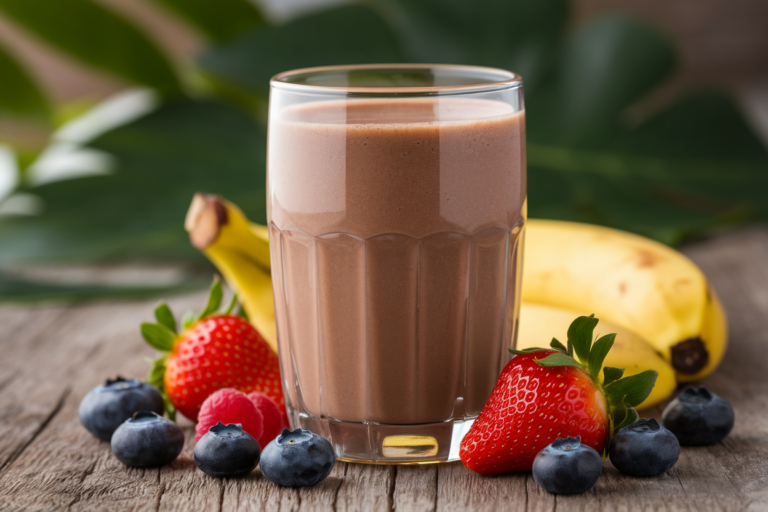
A lot of “healthy” smoothie recipes are basically meals wearing gym clothes. They’re packed with nut butter, full-fat dairy, oats, multiple bananas, seeds, yogurt, and maybe half a grocery store for good measure.
That can work if you need a full meal. But right after a sweaty workout? Sometimes you want something lighter, colder, and easier to digest.
The goal is pretty simple: get some protein, some fluids, and maybe a little carb support without turning your blender into a cement mixer. IMO, refreshing wins, especially after cardio, hot-weather training, or anything that leaves you feeling like a human furnace.
What makes a smoothie actually refreshing?
Refreshing smoothies usually have three things going for them: high water content, lighter textures, and bright flavors.
Think frozen fruit instead of tons of dairy. Think coconut water, regular water, or almond milk instead of heavy bases. Think berries, citrus, pineapple, watermelon, cucumber, or mango instead of ingredients that make every sip feel like a spoonable event.
Temperature matters too. A cold smoothie with frozen fruit and ice hits differently after a workout. It feels more like recovery and less like punishment.
The ideal formula: light, not flimsy
You still want your smoothie to do a job. “Refreshing” shouldn’t mean “nutritionally pointless.”
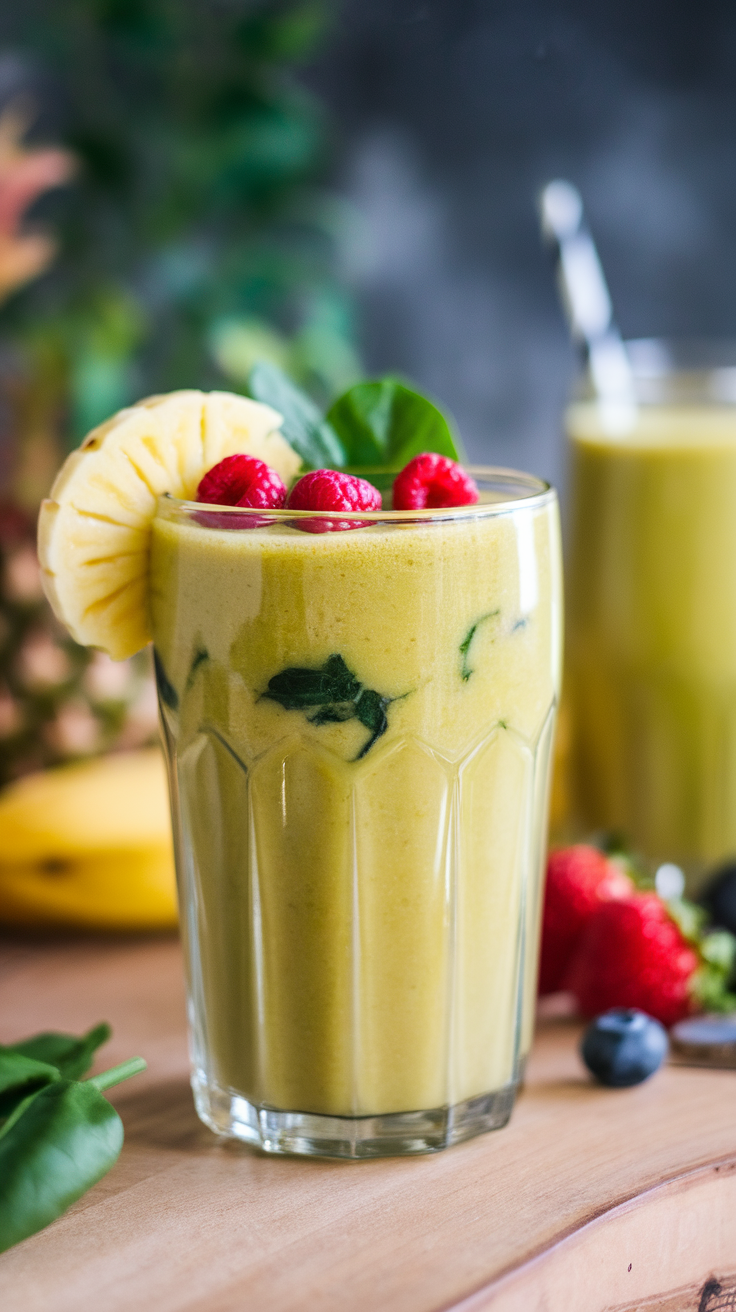
Here’s the sweet spot:
1. A light liquid base
Use coconut water, cold water, unsweetened almond milk, or a mix. Coconut water is especially nice if you’ve been sweating a lot, since it adds a bit of natural sweetness and electrolytes without making things heavy.
2. A moderate protein source
Go for one scoop of protein powder, plain Greek yogurt in a small amount, or even kefir if you tolerate it well. Don’t dump in three protein sources like you’re trying to impress the blender.
Whey isolate usually blends thin and smooth. Plant protein can work too, but some are chalkier than others. If yours tastes like flavored drywall, maybe switch brands.
3. Fruit that brings water and flavor
Frozen berries, pineapple, mango, peaches, watermelon, or orange segments are perfect here. They give you carbs for recovery, natural sweetness, and that juicy, cold texture that makes the whole thing feel actually thirst-quenching.
4. Optional extras, used with restraint
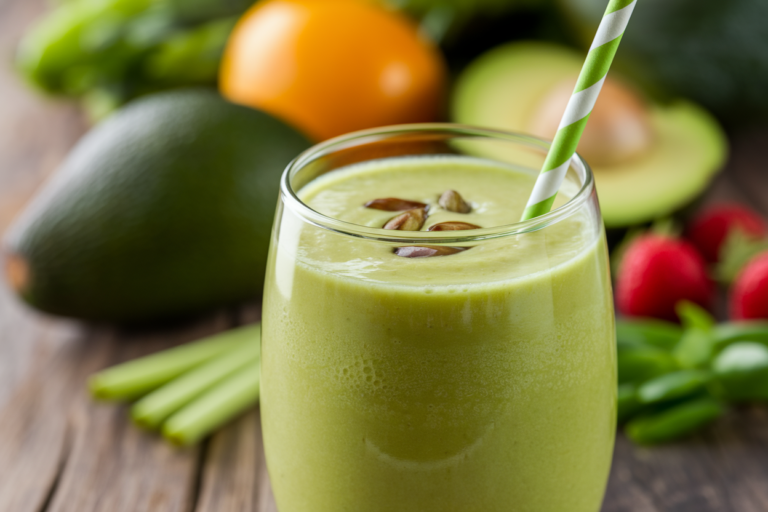
Fresh mint, ginger, lime juice, or cucumber can make a smoothie taste extra crisp. Chia seeds, oats, nut butter, and avocado? Fine sometimes, but keep them minimal if your goal is light and refreshing.
This is not the moment to add half an avocado, two tablespoons of almond butter, and then wonder why you need a nap.
Best ingredients for a post-workout smoothie that won’t weigh you down
If you want an easy shopping list, start here:
- Coconut water
- Frozen strawberries
- Frozen pineapple
- Mango chunks
- Watermelon
- Cucumber
- Greek yogurt, in small amounts
- Whey isolate or a smooth plant protein
- Lime or lemon juice
- Mint leaves
- Ice
These ingredients blend into smoothies that taste bright and clean, not thick and overly rich. FYI, pineapple and lime are a ridiculously good combo after a sweaty session.
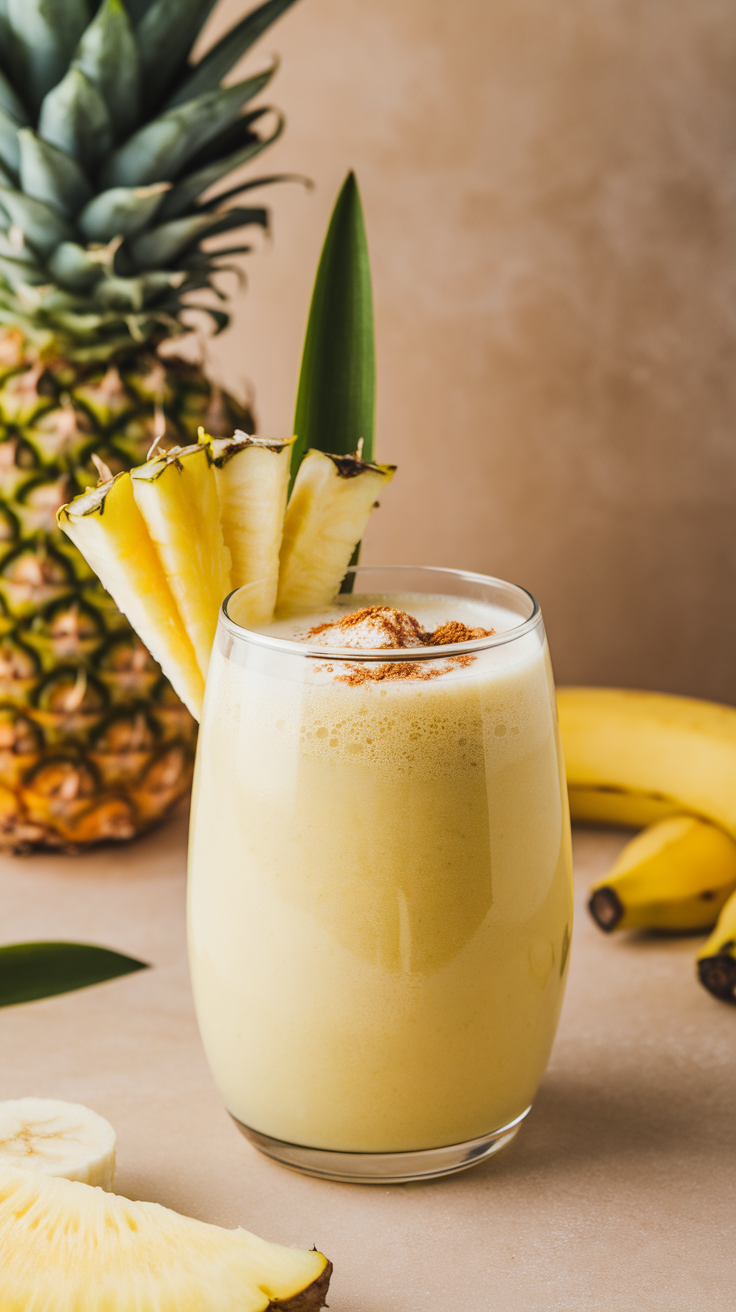
A few smoothie combos that actually feel good after exercise
You don’t need a complicated recipe with 14 ingredients and a spiritual backstory. Try these:
Pineapple Coconut Recovery
Blend coconut water, frozen pineapple, a scoop of vanilla protein, ice, and a squeeze of lime. It’s cold, tropical, and doesn’t feel like you swallowed pudding.
Berry Lemon Cooler
Use cold water or almond milk, frozen mixed berries, vanilla protein, a little lemon juice, and a few ice cubes. Bright, simple, and way more refreshing than the usual banana overload.
Watermelon Mint Refresher
Blend watermelon, ice, mint, lime, and a plain or vanilla protein that mixes well. This one is especially good after outdoor workouts when you feel mildly cooked.
Mango Cucumber Smoothie
Try mango, cucumber, coconut water, protein powder, and ice. Sounds slightly suspicious until you taste it. Then it suddenly makes perfect sense.
Common mistakes that make smoothies too thick and tiring
The biggest mistake? Adding too much fat and fiber right away. Nut butters, oats, flax, chia, and big scoops of yogurt can all be healthy, but together they can make a smoothie feel more like a brick than a recovery drink.
Another issue is using too little liquid. If your blender is struggling and you have to eat your smoothie with a spoon, that’s a sign. A post-workout drink should drink like… a drink.
Also, don’t overdo the protein. More isn’t always better. One scoop is usually plenty for most people.
When a heavier smoothie actually makes sense
To be fair, there are times when a heavier smoothie works. If your workout was long, intense, or you’re using the smoothie as a meal replacement, a thicker blend may be exactly what you need.
But if you’re just trying to recover, rehydrate, and avoid that gross overly-full feeling, lighter is often the smarter move. Your stomach will probably thank you. Quietly, but still.
FAQ
What should I put in a post-workout smoothie for recovery?
Aim for a light liquid base, some protein, and fruit. A simple combo like coconut water, protein powder, and frozen pineapple works really well.
Is banana too heavy for a post-workout smoothie?
Not always, but it can make a smoothie thicker and denser, especially if you also add yogurt or oats. If you want a lighter texture, use half a banana or swap it for berries, watermelon, or mango.
Can I use water instead of milk?
Absolutely. Water makes smoothies lighter and more refreshing. Coconut water is also a great option if you want a little flavor and extra hydration.
How much protein should a post-workout smoothie have?
Around 20 to 30 grams works well for most people. That’s usually one scoop of protein powder or a scoop plus a small amount of yogurt.
Should I add ice?
Yes, if you want that cold, crisp texture. Ice helps make the smoothie feel more refreshing, especially after hot or intense workouts.
Conclusion
A post-workout smoothie doesn’t need to be thick enough to patch drywall. The best ones help you recover, cool off, and move on with your day without feeling stuffed.
Keep it cold, keep it simple, and don’t confuse “healthy” with “absurdly heavy.” Your smoothie should support your workout, not become a second one.