Protein Smoothie for Breakfast When Oatmeal Sounds Too Heavy
Some mornings, oatmeal feels less like breakfast and more like a commitment. You want something filling, but not a warm bowl of edible wallpaper sitting in your stomach until noon. That’s where a protein smoothie steps in and saves the vibe. It’s quick, easy, and way more refreshing when your brain says “food,” but your body says “please keep it light.”
Why a Protein Smoothie Works So Well in the Morning
A good breakfast should do two things: wake you up and keep you from raiding the snack drawer an hour later. Protein smoothies are great at both.
Protein helps you feel full longer, which is kind of the whole point. If your breakfast is just fruit and hope, you’ll probably be hungry again by 10 a.m. Add protein, a little healthy fat, and maybe some fiber, and suddenly your breakfast has actual staying power.
And unlike oatmeal, a smoothie doesn’t always feel heavy. That matters more than people admit. Some mornings you want cozy and hearty. Other mornings, the idea of chewing a dense bowl of oats feels like too much emotional labor.
When Oatmeal Just Isn’t the Move
Look, oatmeal has its place. It’s cheap, easy, and dependable. But it can also feel thick, bland, and weirdly exhausting when you’re not in the mood.
If you wake up warm, rushed, or not especially hungry, drinking breakfast can be way easier than eating it. A cold smoothie goes down fast, tastes better than plain oats ever will, and doesn’t leave you feeling like you swallowed a brick.
It’s also a solid option before work, after an early workout, or during those mornings when you somehow hit snooze six times and now have exactly four minutes to become a functional person.
What Makes a Breakfast Smoothie Actually Filling
Not all smoothies deserve to be called breakfast. Some are basically milkshakes wearing activewear. Tasty? Sure. Balanced? Not always.
If you want your smoothie to hold you over, focus on these building blocks:
1. Protein First
This is the star of the show. Protein powder is the easiest option, whether you use whey, casein, soy, pea, or a blend. Greek yogurt, cottage cheese, or silken tofu also work if powders aren’t your thing.
Aim for around 20 to 30 grams of protein. That’s usually enough to make the smoothie satisfying without turning it into a science experiment.
2. Fruit for Flavor and Carbs
Bananas, berries, mango, pineapple, cherries—pick what you like. Frozen fruit works especially well because it makes the smoothie cold and thick without needing a ton of ice.
Fruit adds natural sweetness and gives you quick energy in the morning. It also keeps the smoothie from tasting like sadness and chalk, which is important.
3. A Little Healthy Fat
Nut butter, chia seeds, flaxseeds, hemp seeds, or even half an avocado can help slow digestion and make the smoothie more satisfying. You don’t need much. A tablespoon or two usually does the trick.
This is the part that helps your smoothie feel substantial without making it too heavy.
4. Liquid That Fits the Mood
Milk, almond milk, oat milk, soy milk, coconut water, or plain water all work. Use less liquid for a thicker smoothie and more for something lighter and more sippable.
Personally, I think unsweetened soy milk is underrated. It adds extra protein and doesn’t hijack the flavor.
Easy Protein Smoothie Combos That Don’t Taste Like Cardboard
You do not need a complicated recipe with seven powders and a spiritual attachment to maca. Keep it simple.
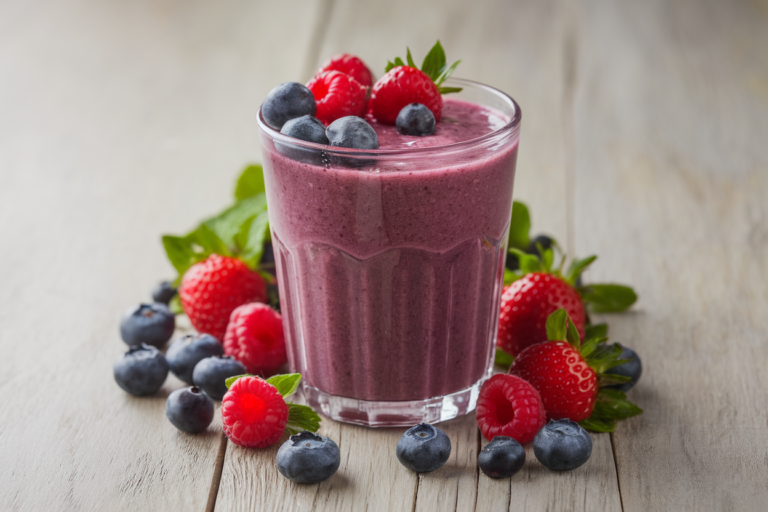
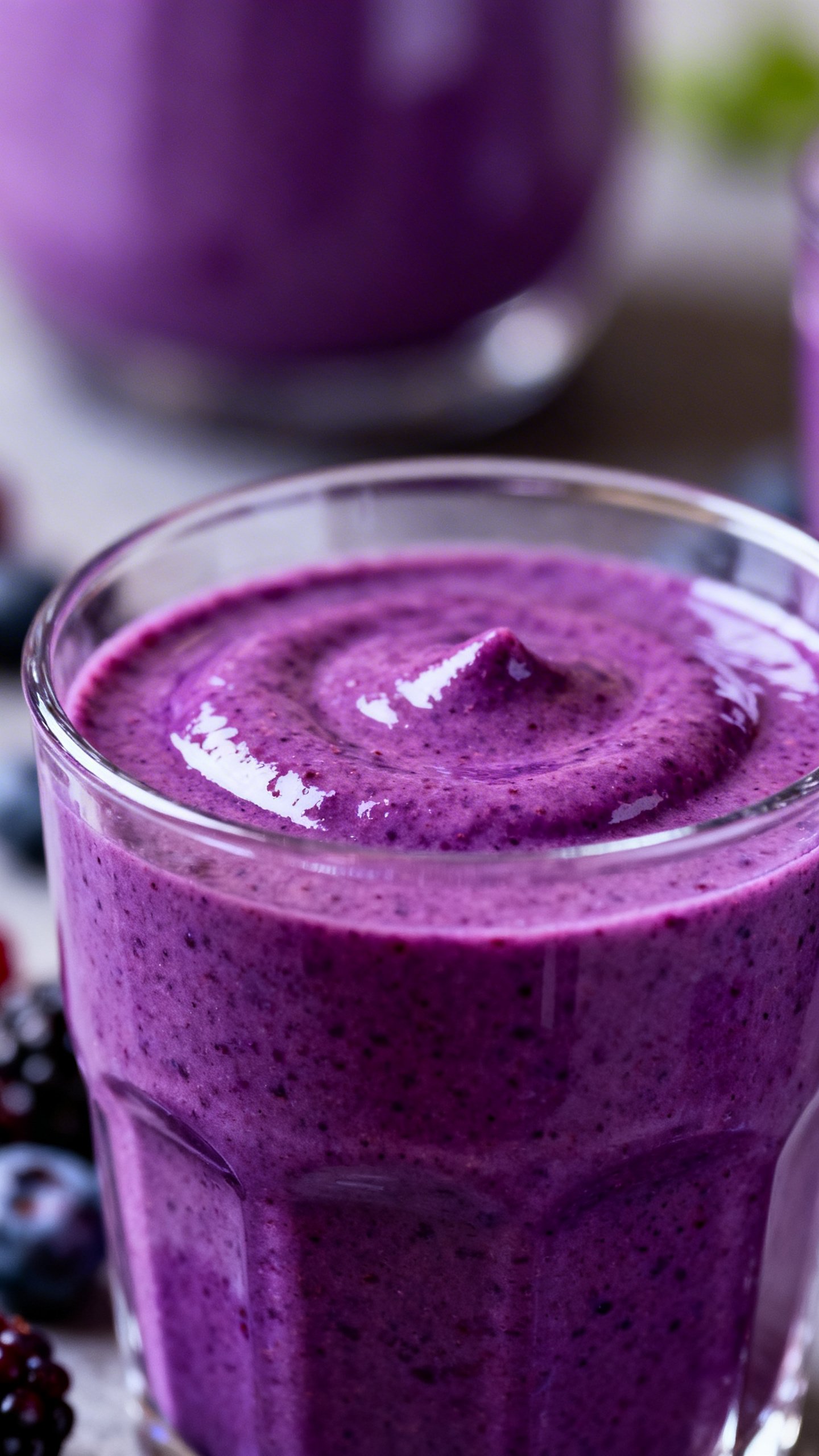
Berry Almond Smoothie
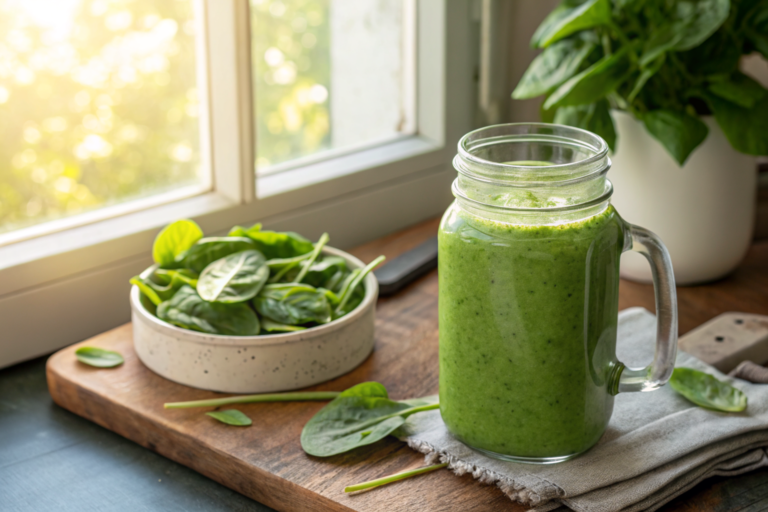
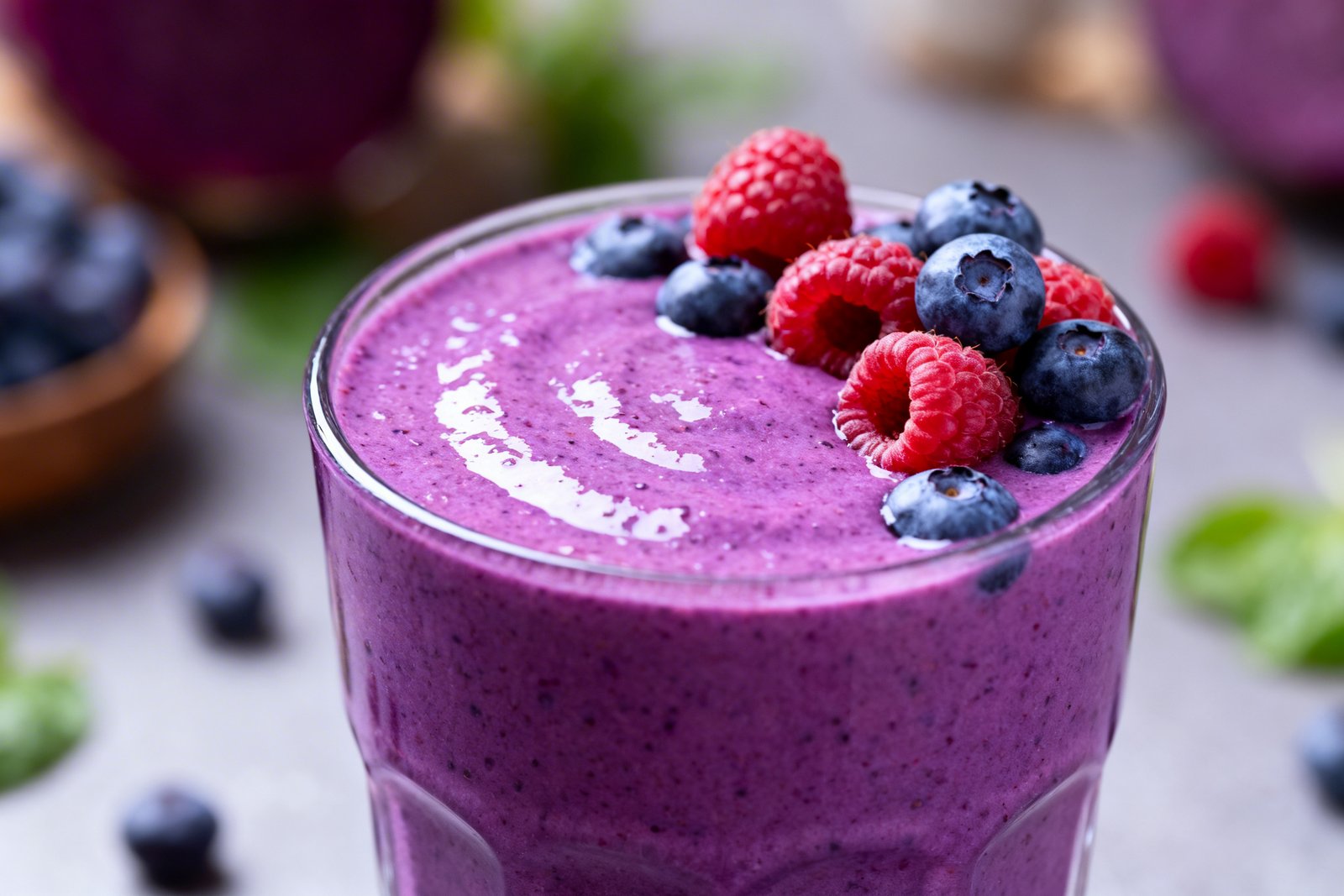
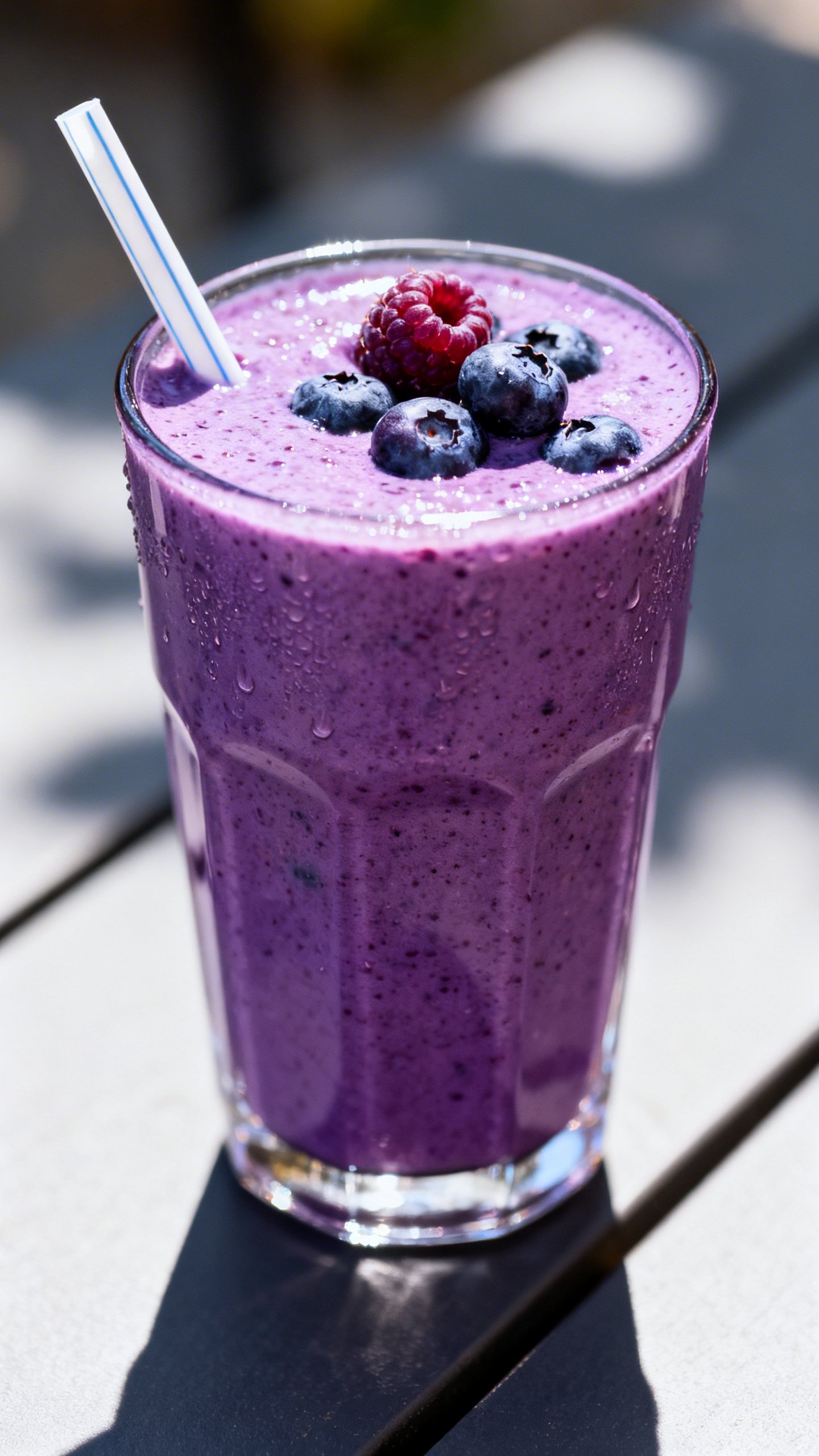
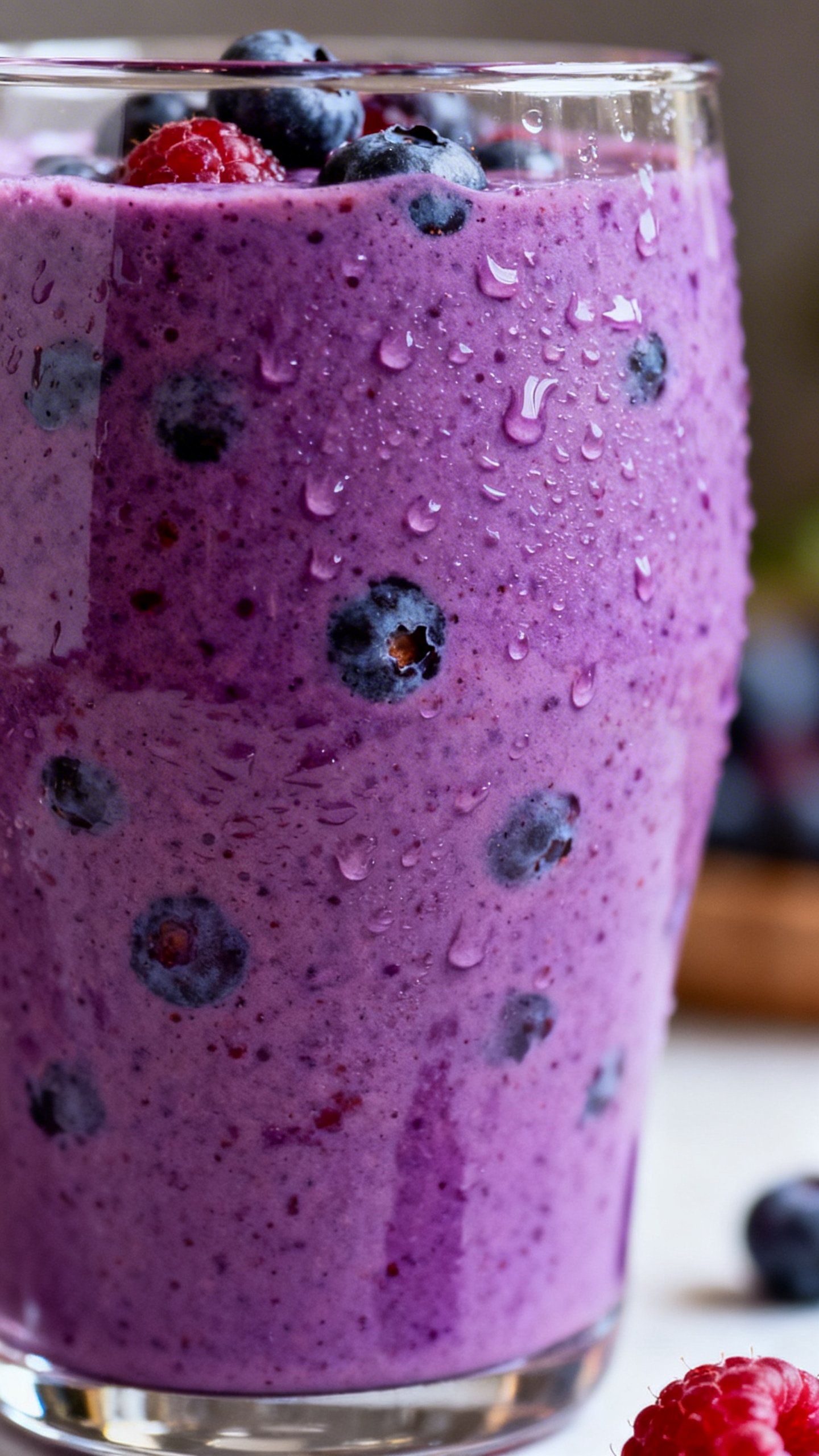
Blend frozen mixed berries, vanilla protein powder, almond butter, spinach, and almond milk. It tastes fresh, slightly sweet, and the spinach disappears into the background like a polite guest.
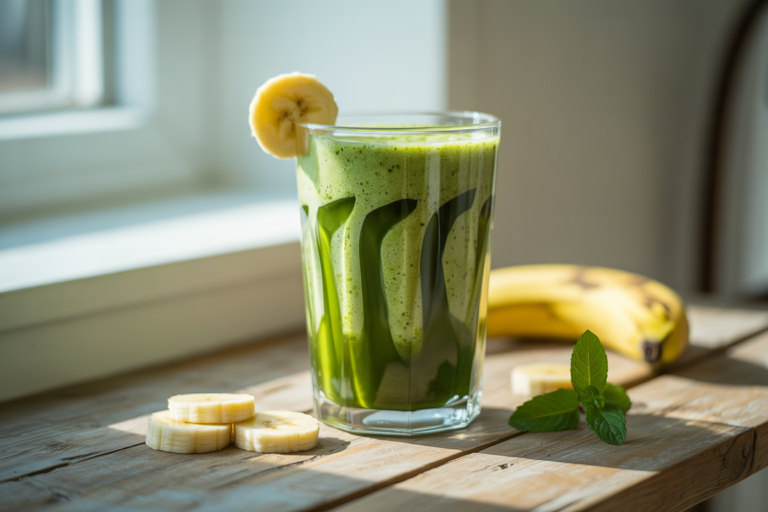
Banana Coffee Shake
Use a frozen banana, chocolate or vanilla protein powder, cold coffee, milk of choice, and a spoonful of peanut butter. This one is breakfast and emotional support in a cup.
Tropical Yogurt Smoothie
Blend mango, pineapple, Greek yogurt, chia seeds, and coconut water. It’s lighter than oat-based breakfasts and feels weirdly vacation-like for a Tuesday.
Chocolate Cherry Smoothie
Frozen cherries, chocolate protein powder, milk, and flaxseed. It tastes indulgent without being over the top. IMO, this one feels the least like “healthy breakfast” and the most like a treat.
Tips to Keep It Light, Not Sludgy
A smoothie should feel smooth. Revolutionary concept, I know.
Don’t overload it with too many heavy extras at once. If you add protein powder, nut butter, oats, yogurt, chia, flax, and avocado all in one blender, you’ve made pudding with ambition.
Stick to a few key ingredients and balance them. Use frozen fruit for texture, enough liquid to keep it drinkable, and go easy on thick add-ins until you know what you like.
Also, taste before you pour. Some protein powders are delicious. Others taste like someone blended drywall and vanilla candle wax. FYI, the smoothie is only as good as the protein you use.
Can It Replace Oatmeal Nutritionally?
Yes, if you build it well.
Oatmeal gives you carbs and fiber, which are helpful, but it’s often low in protein unless you add things to it. A protein smoothie can cover protein more easily and still include fiber from fruit, seeds, and even a handful of oats if you want them.
That’s the beauty of it. You can make it lighter than oatmeal, but still balanced enough to count as a real breakfast. Not a snack. Not a “well, I had coffee” situation. An actual meal.
FAQ
Is a protein smoothie enough for breakfast?
Yes, as long as it includes enough protein and a little fat or fiber. A smoothie with just fruit won’t keep you full for long, but one with protein powder, yogurt, seeds, or nut butter usually works well.
What’s the best protein for a breakfast smoothie?
Whatever you tolerate and enjoy. Whey is popular and blends easily, but plant-based powders, Greek yogurt, cottage cheese, and tofu are all solid options too.
Can I make it the night before?
You can, but it’s usually best fresh. If you prep ahead, store it in the fridge in a sealed jar and shake it well before drinking. Texture may change a bit, especially if it has banana or chia seeds.
Will a smoothie keep me full as long as oatmeal?
It can. The key is protein and balance. If your smoothie has 20 to 30 grams of protein plus some fiber or healthy fat, it can absolutely hold its own.
Can I add oats to my smoothie if I still want some of that oatmeal benefit?
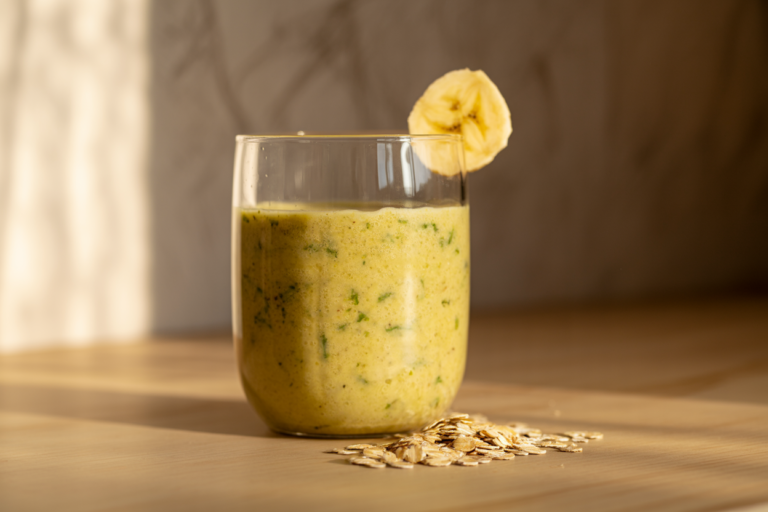
Definitely. A small handful of rolled oats adds fiber and texture without making the whole thing feel like a hot bowl of mush. Best of both worlds, honestly.
Conclusion
When oatmeal sounds too heavy, a protein smoothie is the easy win. It gives you a lighter breakfast that still feels filling, balanced, and actually enjoyable. Keep the ingredients simple, make the protein count, and you’ve got a breakfast that works with your morning instead of against it. Some days, drinking your breakfast is just the smarter move.