Recovery Smoothie That Feels Easy After a Workout
You finished your workout. You’re sweaty, a little tired, and suddenly your stomach wants something nourishing without feeling like a brick. That’s where a recovery smoothie that actually feels easy comes in. Not chalky, not weirdly heavy, and definitely not one of those “healthy” drinks that tastes like lawn clippings.
Why an easy recovery smoothie matters
After a workout, your body usually wants three things: fluids, protein, and some carbs. That’s the simple version, and honestly, the simple version is the useful one. You don’t need a lab report in a blender.
A good recovery smoothie helps you rehydrate, gives your muscles building blocks to repair, and tops up some of the energy you just burned through. The trick is making it light enough that you’ll actually want it. Because if your post-workout drink feels like a second workout, what are we doing here?
What makes a smoothie feel easy?
“Easy” is partly about digestion and partly about texture. A recovery smoothie should go down smoothly, sit well, and not leave you needing a nap on the kitchen floor.
Here’s what usually helps:
- A liquid base that isn’t too thick
Think milk, almond milk, oat milk, coconut water, or even plain water with yogurt added.
- Moderate protein
Around 20 to 30 grams works well for a lot of people. Enough to help, not so much that it turns into pudding.
- Simple carbs
Fruit is perfect here. Banana, berries, mango, pineapple—easy, quick, and actually tasty.
- A little healthy fat, maybe
Nut butter, chia, or flax can be great, but go easy. Too much fat can slow digestion and make the smoothie feel heavy.
- Cold and blendable ingredients
Frozen fruit is doing a lot of the work here. It gives you that nice texture without needing a gallon of ice.
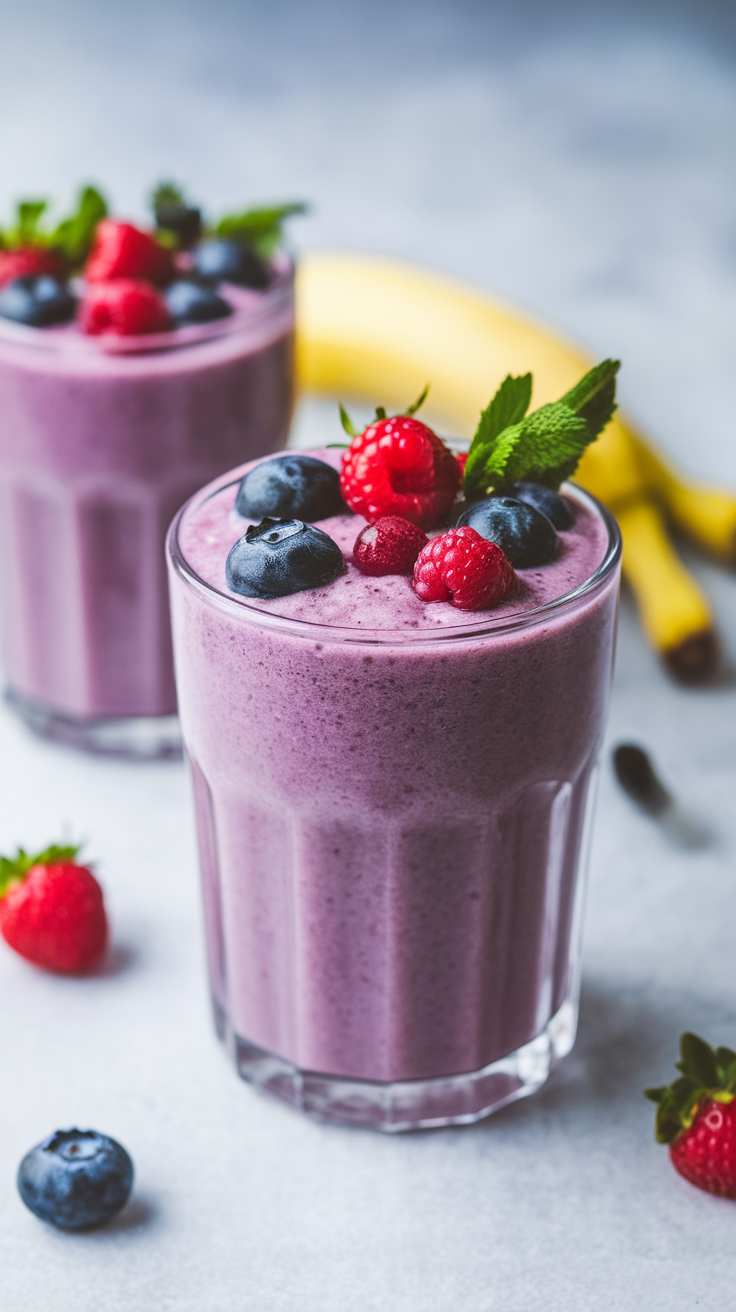
IMO, the biggest mistake people make is stuffing a “recovery” smoothie with every healthy ingredient they own. Spinach, oats, peanut butter, dates, protein powder, seeds, yogurt, avocado, maybe a small tree branch for fiber. Suddenly your easy drink has become a survival challenge.
The basic formula that works
If you want a no-fuss smoothie, use this simple combo:
- 1 to 1 1/2 cups liquid
- 1 scoop protein powder or a protein source like Greek yogurt
- 1 cup fruit
- 1 small extra for flavor or texture
That’s it. You can freestyle from there without making your blender cry.
A few solid combinations:
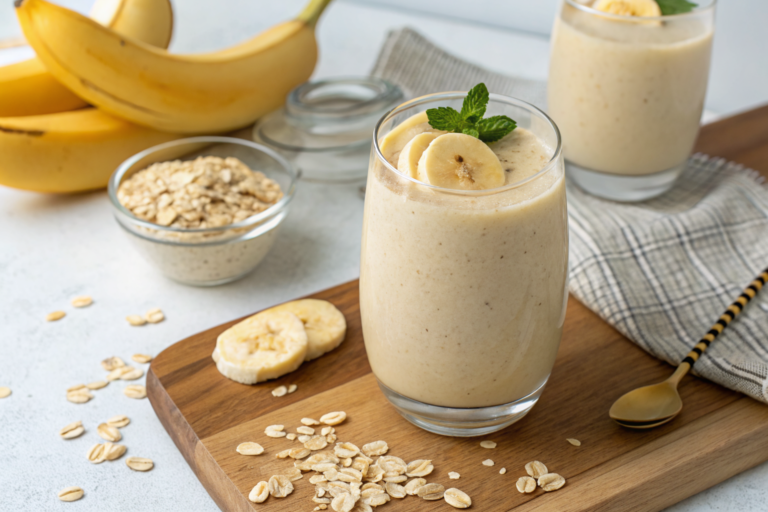
- Banana + vanilla protein + milk + cinnamon
- Mango + Greek yogurt + coconut water
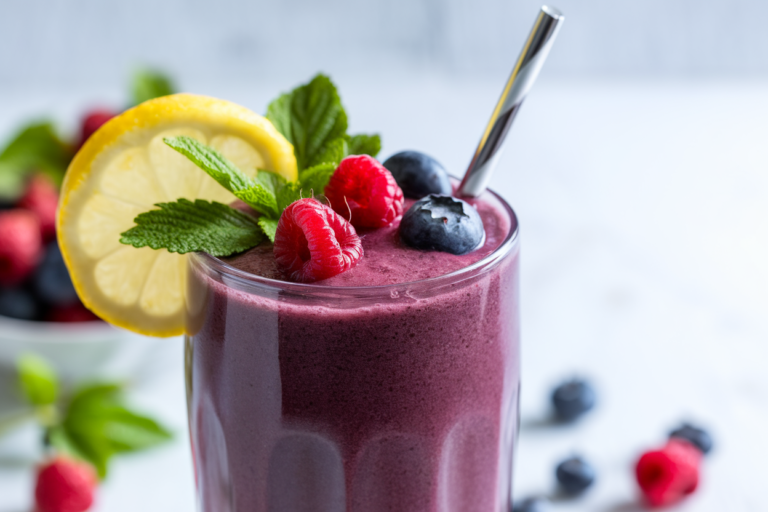
- Berries + chocolate protein + almond milk
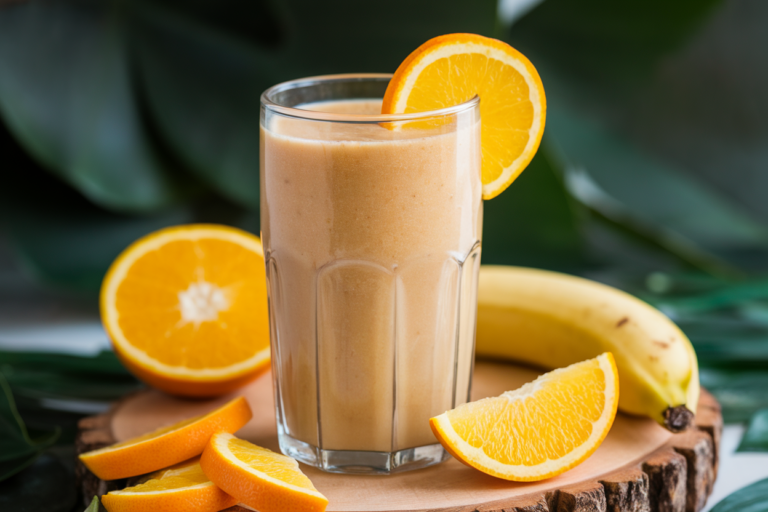
- Pineapple + banana + yogurt + a little ginger
These all taste like real food, not punishment.
A recovery smoothie recipe that feels genuinely easy
Here’s a go-to option that works for a lot of people and takes about two minutes to make.
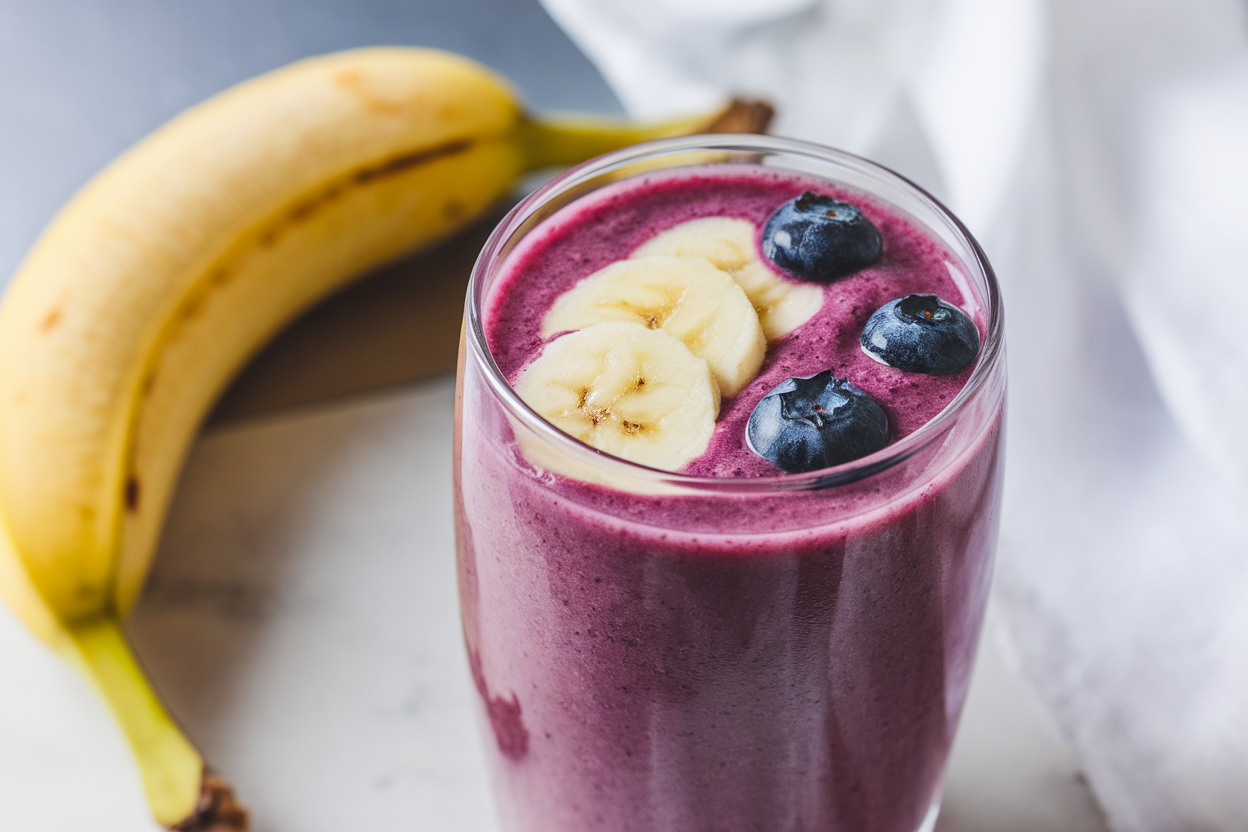
Easy Post-Workout Banana Berry Smoothie
Ingredients:
- 1 cup milk of choice
- 1/2 cup Greek yogurt
- 1 scoop vanilla protein powder
- 1 frozen banana
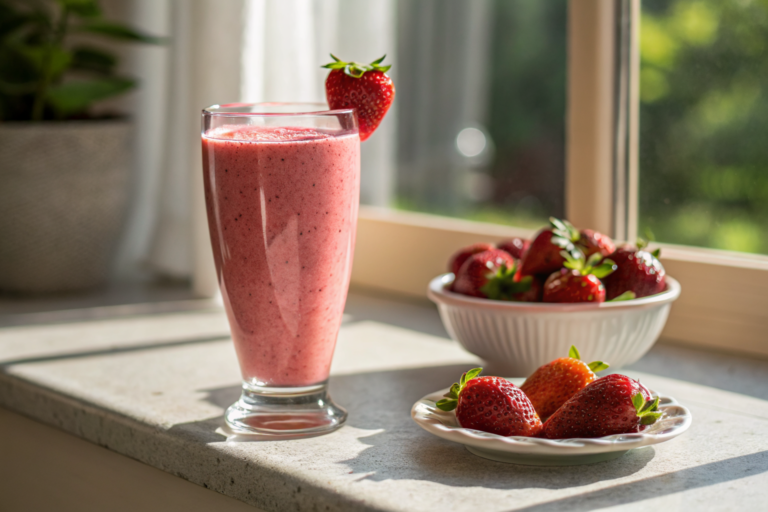
- 1/2 cup frozen berries
- 1 teaspoon honey, optional
- A few ice cubes if you want it colder
How to make it: Blend everything until smooth. Add a splash more liquid if it’s too thick. Drink it while feeling smug about your life choices.
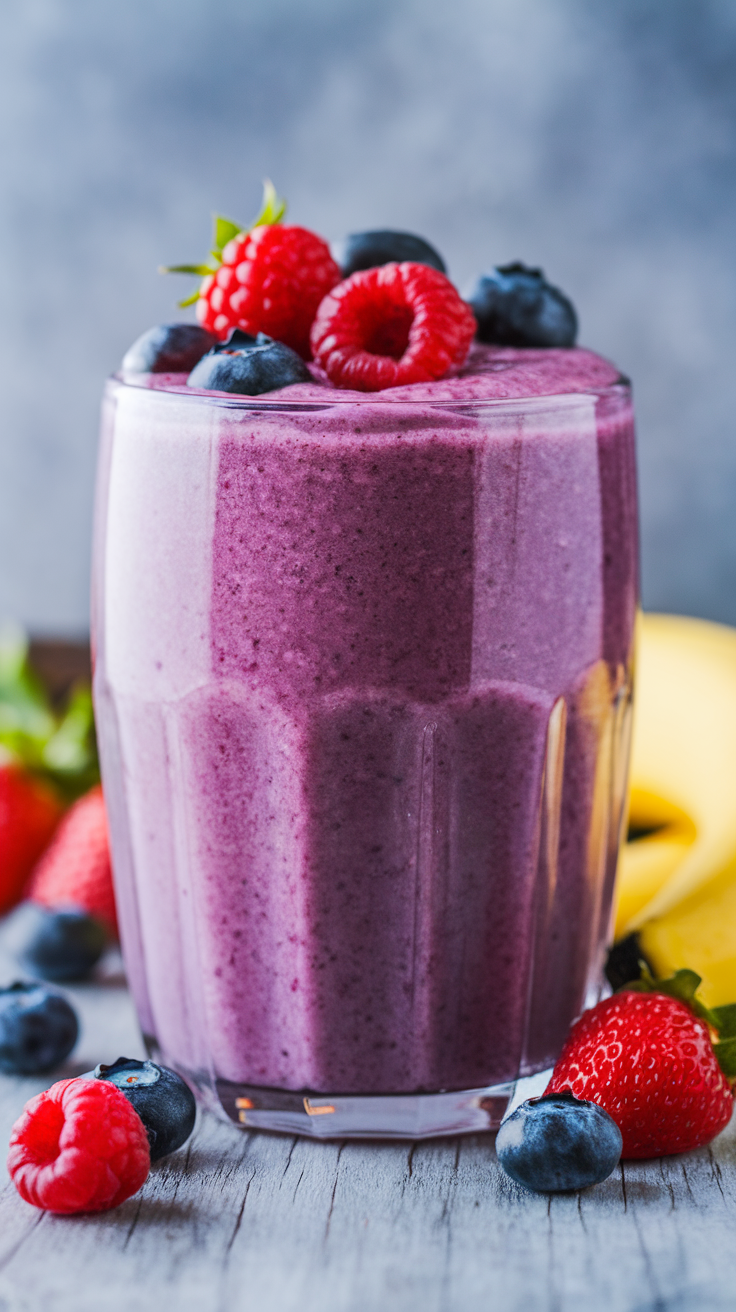
Why this works: the banana and berries give you quick carbs, the yogurt and protein powder cover recovery protein, and the whole thing stays light and drinkable. It’s creamy without being over-the-top. Basically, your stomach won’t send complaint emails.
Smart add-ins if you want to tweak it
Once you’ve got the basic version down, you can adjust based on what you need.
If you need more hydration
Use coconut water as part of the liquid base. It adds potassium and feels extra refreshing after a sweaty session.
If your stomach is sensitive
Keep it simple. Use banana, yogurt, and one protein source. Skip giant scoops of nut butter, too much fiber, or anything super rich right after training.
If you trained hard and need more fuel
Add oats or a little extra fruit. This works especially well after long runs, rides, or intense gym sessions where your legs now feel like decorative items.
If you hate protein powder
Fair enough. Use Greek yogurt, cottage cheese, or even ultra-filtered milk instead. You can still get plenty of protein without the “birthday cake marshmallow blast” flavor situation.
Common mistakes that make recovery smoothies feel awful
A few things can ruin the whole experience fast.
Too much protein powder: More is not always better. It can make the texture gritty and the taste weirdly aggressive.
Too much fat: Peanut butter is delicious, yes. But three giant spoonfuls after cardio? Bold choice.
Too many ingredients: Keep it focused. Your blender does not need a personality test.
Not enough liquid: If your smoothie requires a spoon, a fork, and emotional support, it’s gone too far.
FAQ
How soon should I drink a recovery smoothie after a workout?
Within about 30 to 60 minutes is a solid target, especially after tough training. But don’t panic if it’s later. The main thing is getting some good nutrition in after exercise.
Is a recovery smoothie only for hard workouts?
Nope. It’s most useful after moderate to intense workouts, but it can also be a convenient snack if you exercised and don’t feel like cooking. FYI, not every 20-minute walk needs a full performance shake.
Can I make it without dairy?
Absolutely. Use soy milk, almond milk, oat milk, or coconut water, and choose a dairy-free protein powder or yogurt. Soy milk is especially helpful if you want more protein.
Should I add greens?
You can, but keep it light. A small handful of spinach blends in easily without changing the flavor too much. If you add half a salad, you already know what’s going to happen.
Is fruit enough for carbs after a workout?
Often, yes. For many workouts, fruit gives you plenty of quick carbs. If you did a long or intense session, you might want to add oats, granola, or toast on the side.
Conclusion
A recovery smoothie that feels easy should do exactly that: help you recover without making your stomach work overtime. Keep it simple, aim for protein plus fruit plus fluid, and don’t overcomplicate it. Post-workout nutrition doesn’t need to be dramatic. You exercised already—that was the dramatic part.