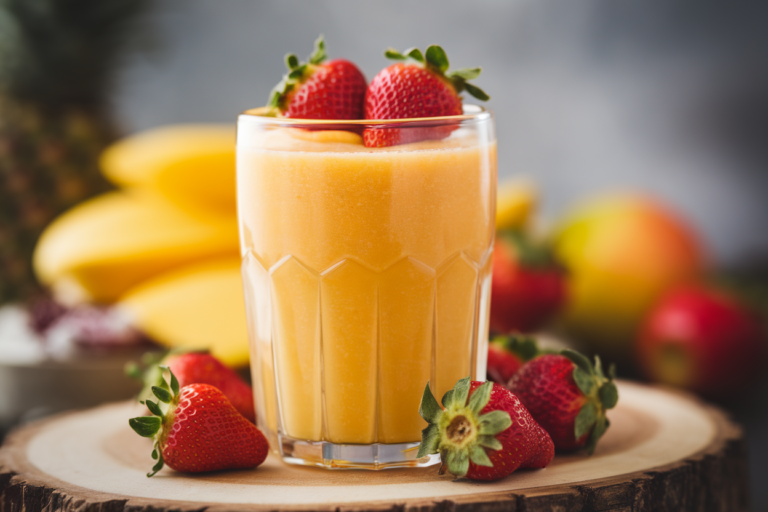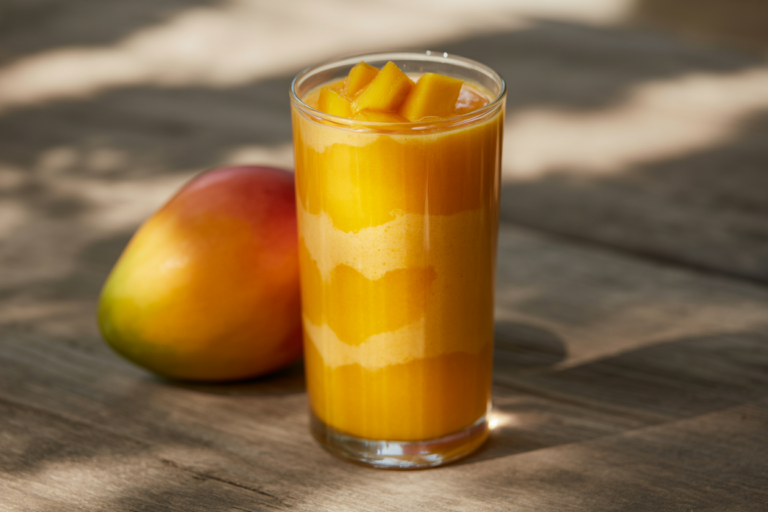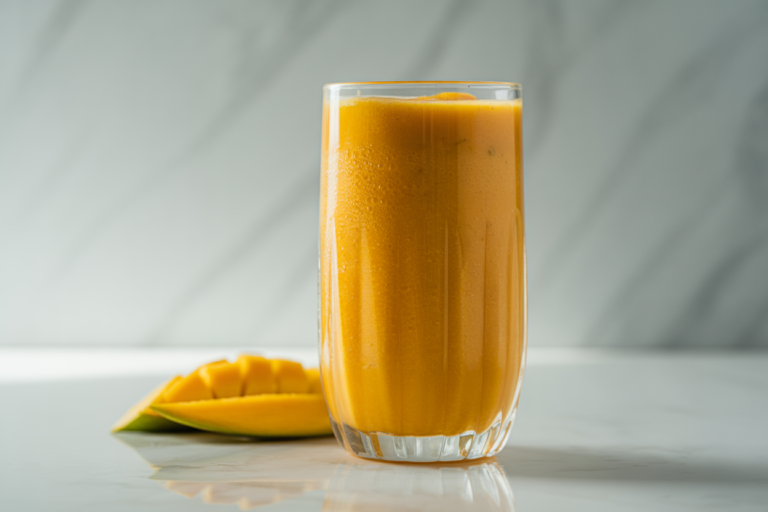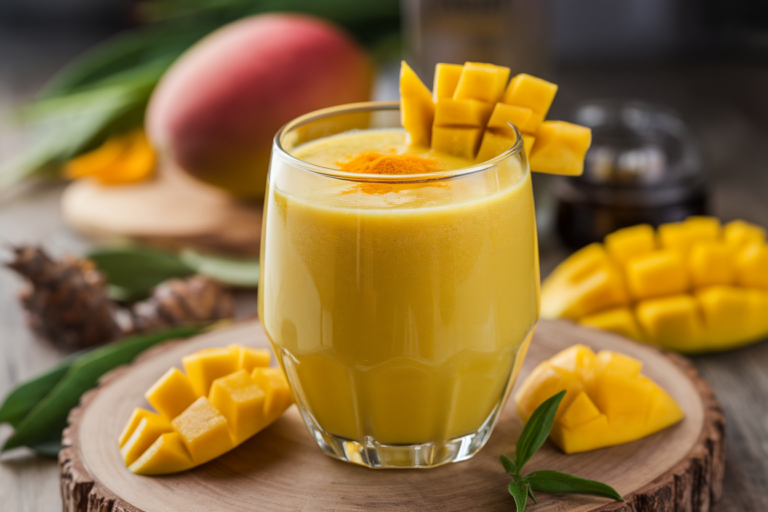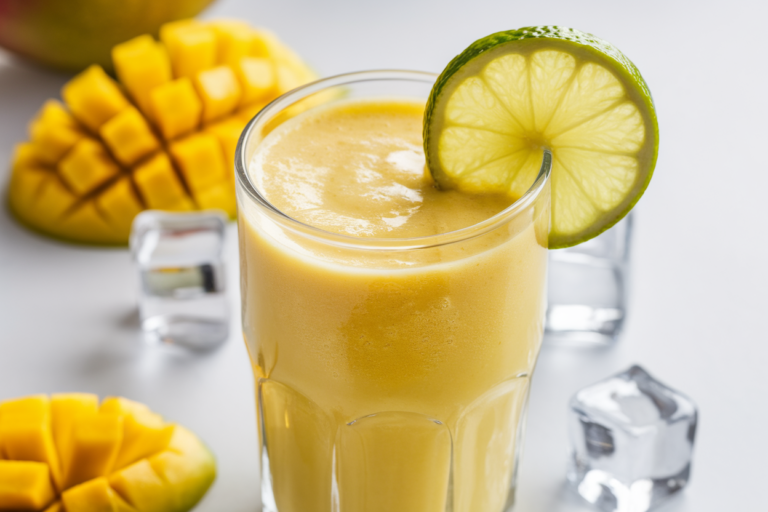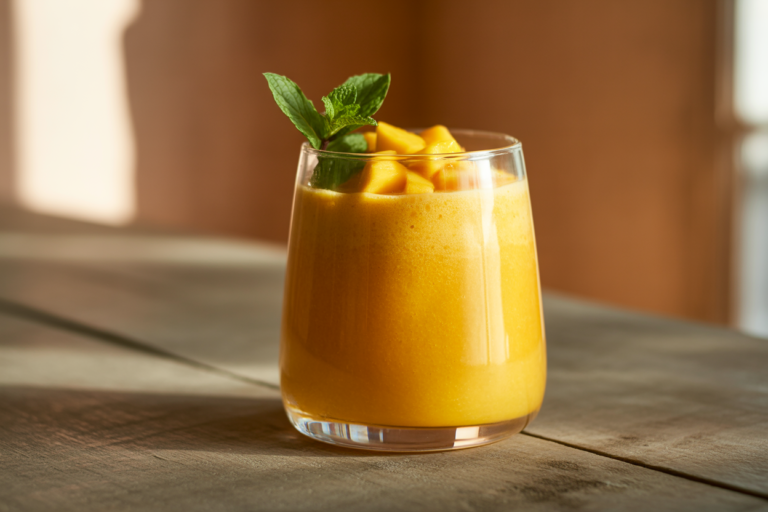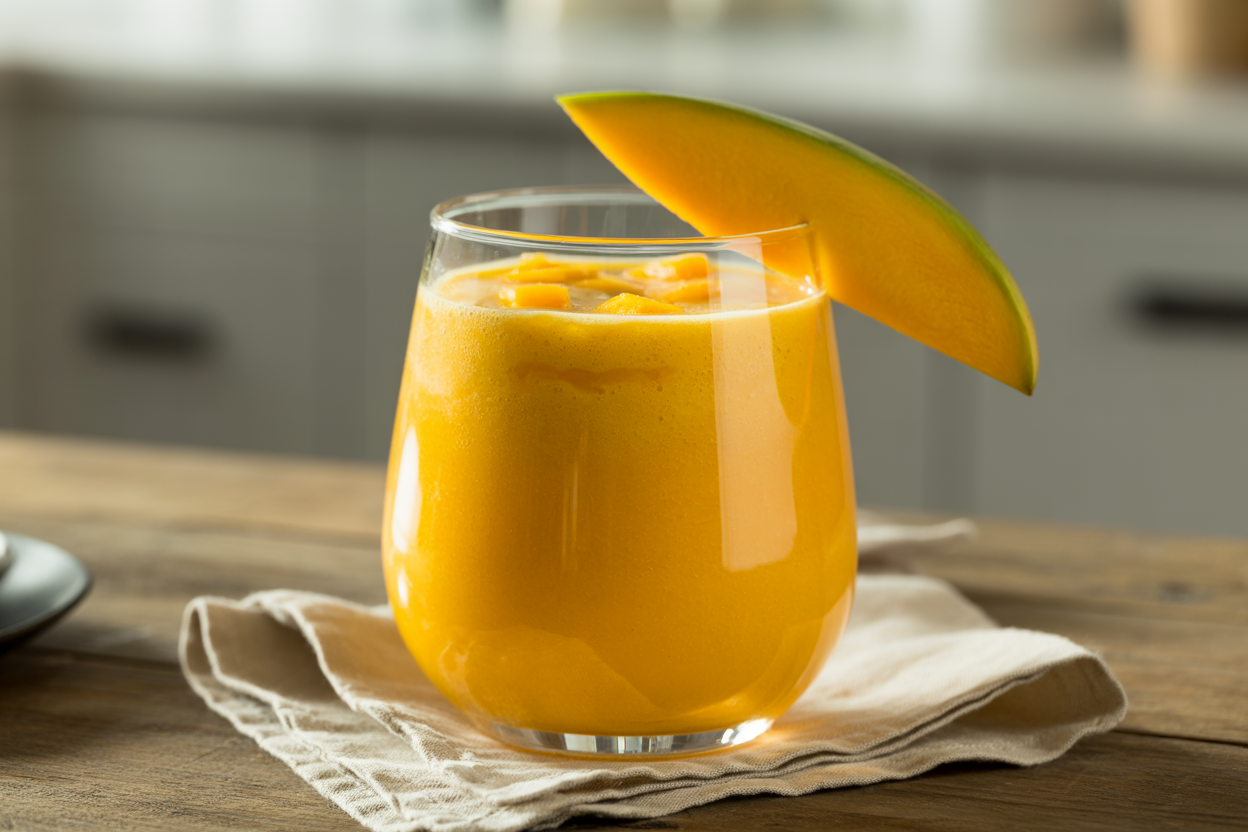
Low Calorie Mango Smoothie
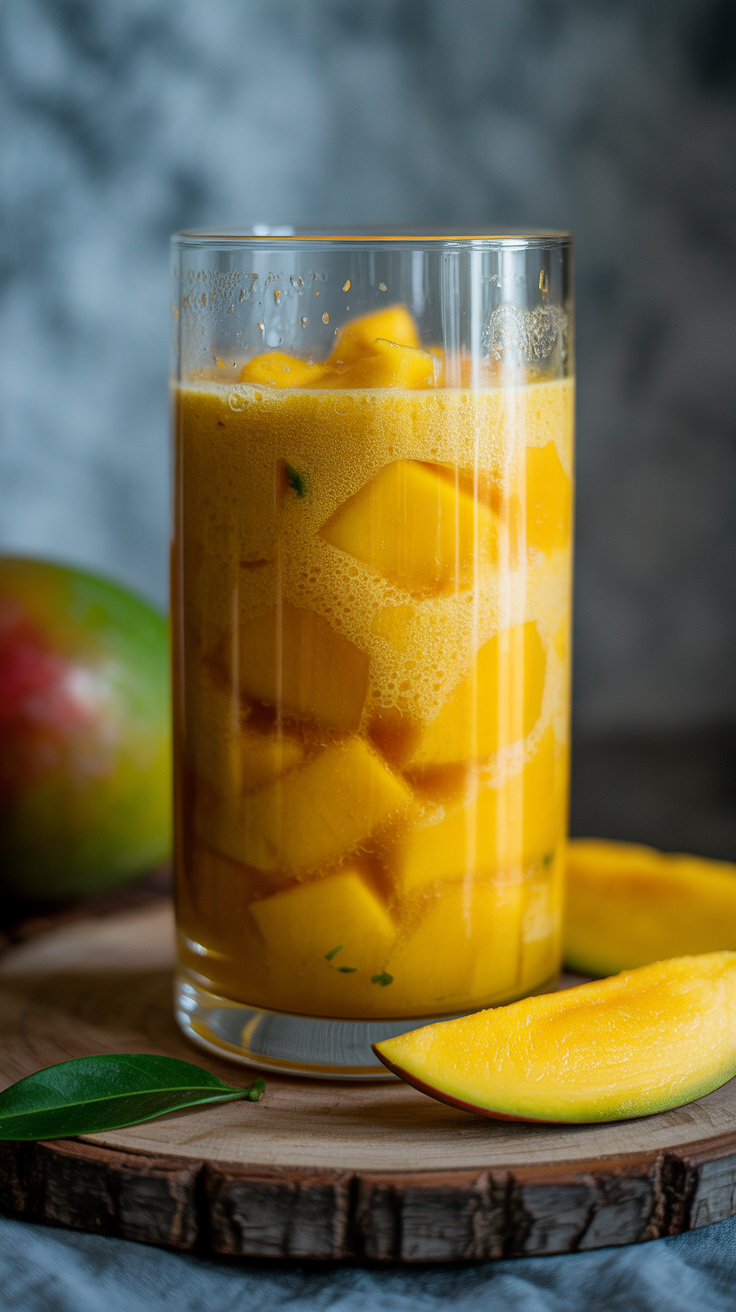
Craving something cold, creamy, and actually worth the blender noise? A low calorie mango smoothie hits that sweet spot between “tastes like dessert” and “won’t derail my day.” It’s bright, refreshing, naturally sweet, and way easier to make than people somehow still pretend it is. Honestly, if your smoothie routine has been boring lately, mango is here to fix that.
Why mango works so well in a low calorie smoothie
Mango has a lot going for it. It’s naturally sweet, which means you can skip the sugar bomb situation that ruins a lot of homemade smoothies. It also brings a thick, silky texture, so your drink feels satisfying without needing ice cream, sherbet, or any of the other “healthy-ish” ingredients that are basically dessert in disguise.
It’s also packed with vitamin C and gives you that tropical flavor that makes even a random Tuesday feel slightly less rude. And because mango blends so smoothly, it pairs well with lighter ingredients like Greek yogurt, almond milk, coconut water, or even plain water if you’re keeping things super simple.
What makes a smoothie low calorie without making it sad?
Good question. A low calorie smoothie should still taste good, or what’s the point? The trick is to build flavor and texture with smart ingredients instead of piling in sweeteners and high-fat extras.
Here’s what helps:
- Use frozen mango for thickness and chill
- Choose unsweetened liquids like almond milk or coconut water
- Add plain nonfat Greek yogurt for creaminess and protein
- Skip fruit juice unless you want your smoothie to become a sugar parade
- Use ice strategically if you want more volume without extra calories
The biggest calorie trap is usually not the mango. It’s the honey, flavored yogurt, nut butter, juice, and random “just a little” add-ins that somehow turn your smoothie into a 600-calorie event.
A simple low calorie mango smoothie recipe
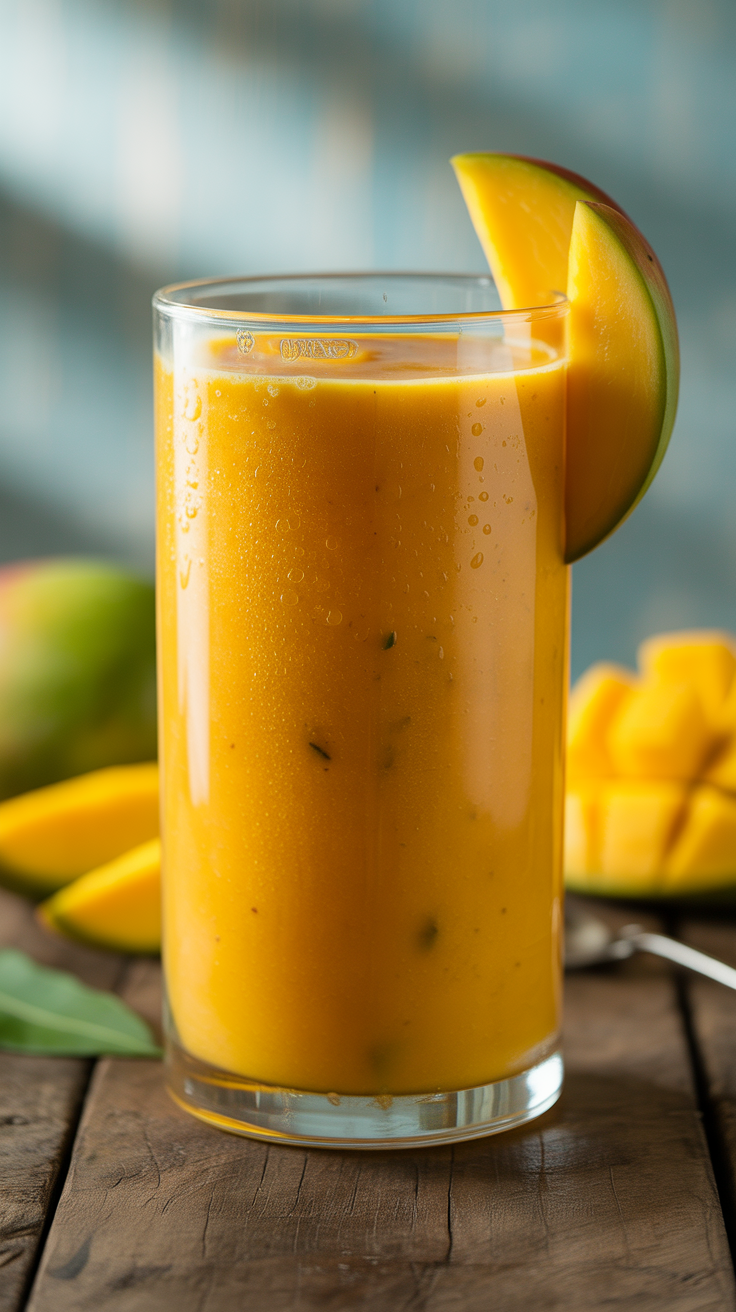
If you want a reliable, easy version, start here. This one tastes fresh, creamy, and naturally sweet without going overboard.
Ingredients
- 1 cup frozen mango chunks
- 1/2 cup plain nonfat Greek yogurt
- 3/4 cup unsweetened almond milk
- 1/2 cup ice
- 1 teaspoon lime juice
- Optional: a few mint leaves or a pinch of ginger
How to make it
Add everything to a blender and blend until smooth. If it’s too thick, splash in a little more almond milk. If it’s too thin, add a bit more frozen mango or ice.
That’s it. No drama, no weird powders, no ingredient list that reads like a science project.
Approximate nutrition
Depending on the exact brands you use, this usually lands around 140 to 180 calories per serving. Not bad for something that feels way more indulgent than it actually is.
Easy ways to make it taste even better
A low calorie smoothie doesn’t need to be bland. It just needs a little balance.
A squeeze of lime makes mango taste brighter and less one-note. Fresh ginger adds a tiny kick and keeps the smoothie from feeling overly sweet. Mint makes it taste ridiculously refreshing, especially in warm weather.
If you like a creamier texture, use a little more Greek yogurt. If you want a lighter, more juice-like smoothie, swap some almond milk for coconut water. IMO, lime is the secret weapon here. It wakes everything up.
Smart add-ins that won’t blow the calories
Want to customize it? Totally fair. Smoothies are basically edible mood boards.
Try one of these:
- Spinach: adds nutrients, barely changes the flavor
- Chia seeds: a little fiber goes a long way, but keep the portion small
- Cucumber: makes it extra refreshing
- Protein powder: useful if you want it more filling, just watch the sugar
- Unsweetened shredded coconut: tropical vibe, but use lightly
Just remember: every add-in counts. A tablespoon here and there doesn’t seem like much until your “light smoothie” quietly turns into lunch and dessert.
Common mistakes to avoid
One of the biggest mistakes is using sweetened yogurt. It sounds healthy because yogurt, sure, but flavored versions often sneak in a ton of sugar. Plain yogurt gives you the creamy texture without making your smoothie taste like melted candy.
Another issue is adding too much banana. Banana is great, but it can completely take over mango if you’re not careful. Then suddenly you’ve got a banana smoothie with a vague memory of mango. Tragic.
And please don’t drown it in juice. Mango is already sweet enough. FYI, unsweetened almond milk, coconut water, or plain water usually do the job just fine.
When a low calorie mango smoothie is actually useful
This smoothie works well as a light breakfast, a midday snack, or a post-workout refresher if you add some protein. It’s especially handy when you want something cold and satisfying but don’t want to eat a giant meal.
It’s also great for hot days when actual cooking feels offensive. Blend, pour, done. Minimal effort, maximum payoff.
FAQ
Is mango too high in sugar for a low calorie smoothie?
Not really. Mango has natural sugar, but it’s also full of flavor, so you often need less added sweetener. The bigger problem is usually what people add to the smoothie, not the mango itself.
Can I make it without yogurt?
Yes. Use unsweetened almond milk, coconut water, or a dairy-free yogurt alternative. It may be a little less creamy, but frozen mango still gives it a nice texture.
Is frozen mango better than fresh?
For smoothies, usually yes. Frozen mango makes the drink cold and thick without needing as much ice. Fresh works too, but you may need extra ice to get the same consistency.
How can I make it more filling?
Add more protein or fiber. Greek yogurt, a scoop of protein powder, or a small spoonful of chia seeds can help without sending the calories through the roof.
Can I prep it ahead of time?
You can prep the ingredients in freezer bags or containers, which makes blending super easy later. The finished smoothie is best right away, though. Smoothies tend to separate if they sit around too long, because apparently they enjoy being difficult.
Conclusion
A low calorie mango smoothie is one of those rare things that checks all the boxes: easy, refreshing, flavorful, and actually satisfying. You don’t need fancy ingredients or a nutrition degree to make one that tastes great. Keep it simple, let the mango do the heavy lifting, and enjoy a smoothie that feels like a treat without the calorie overload.