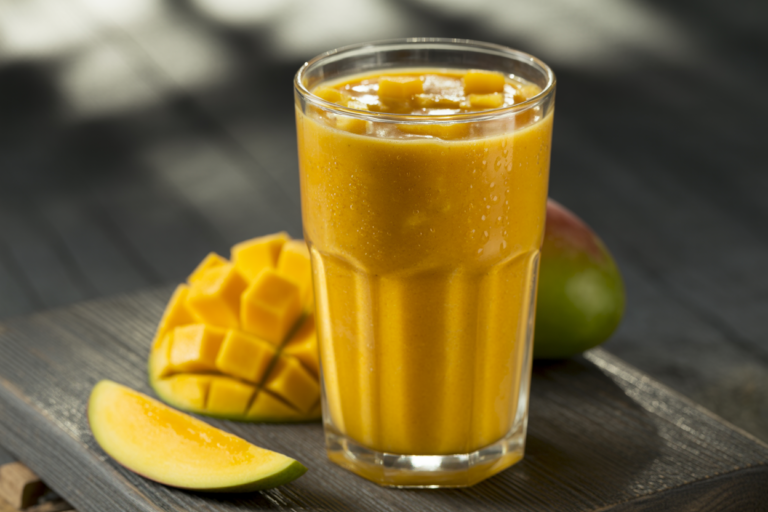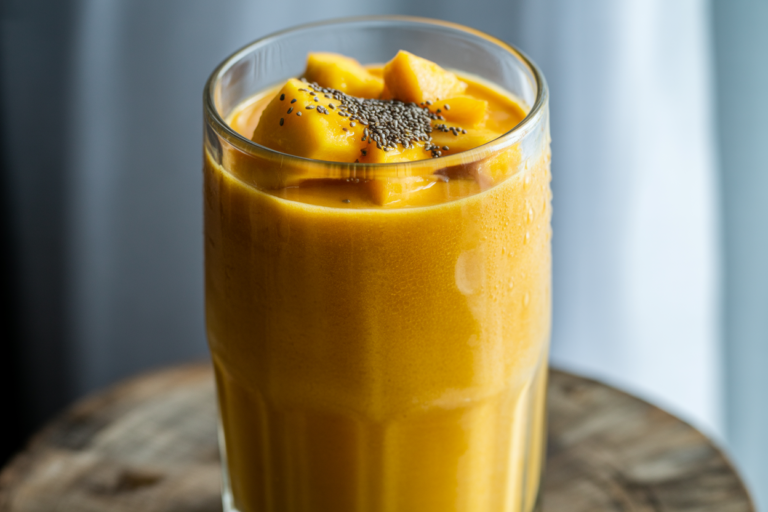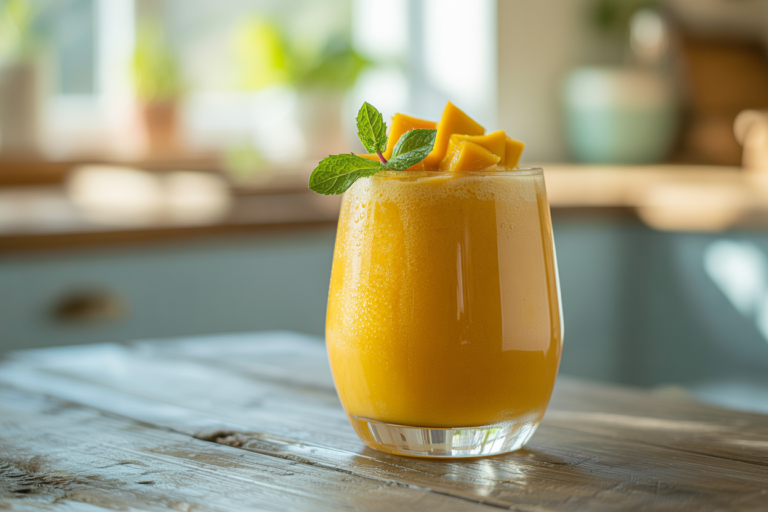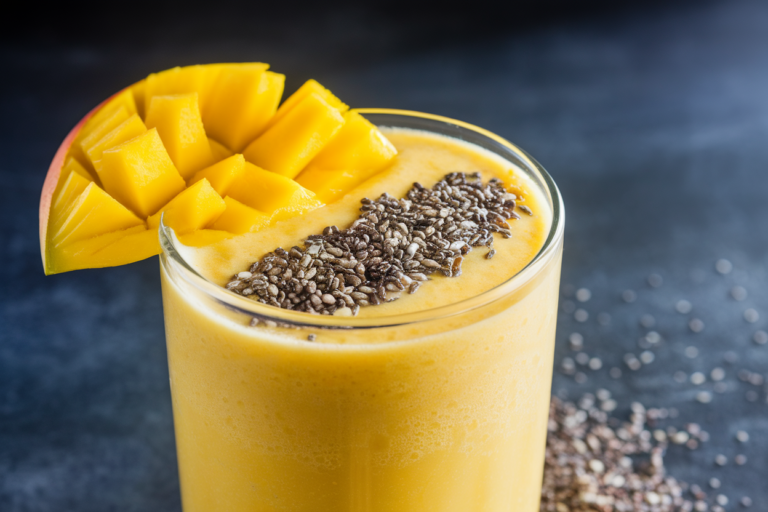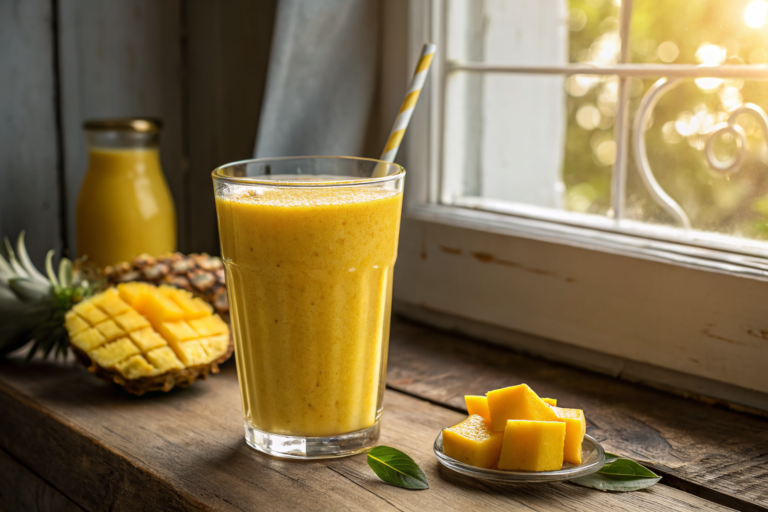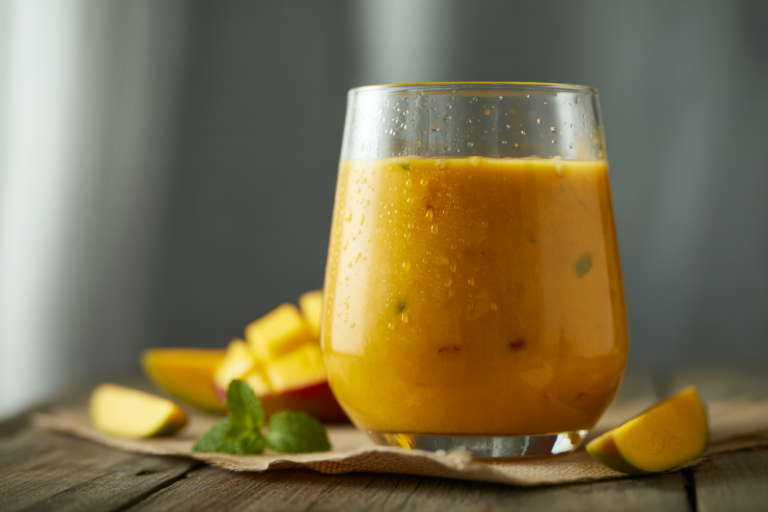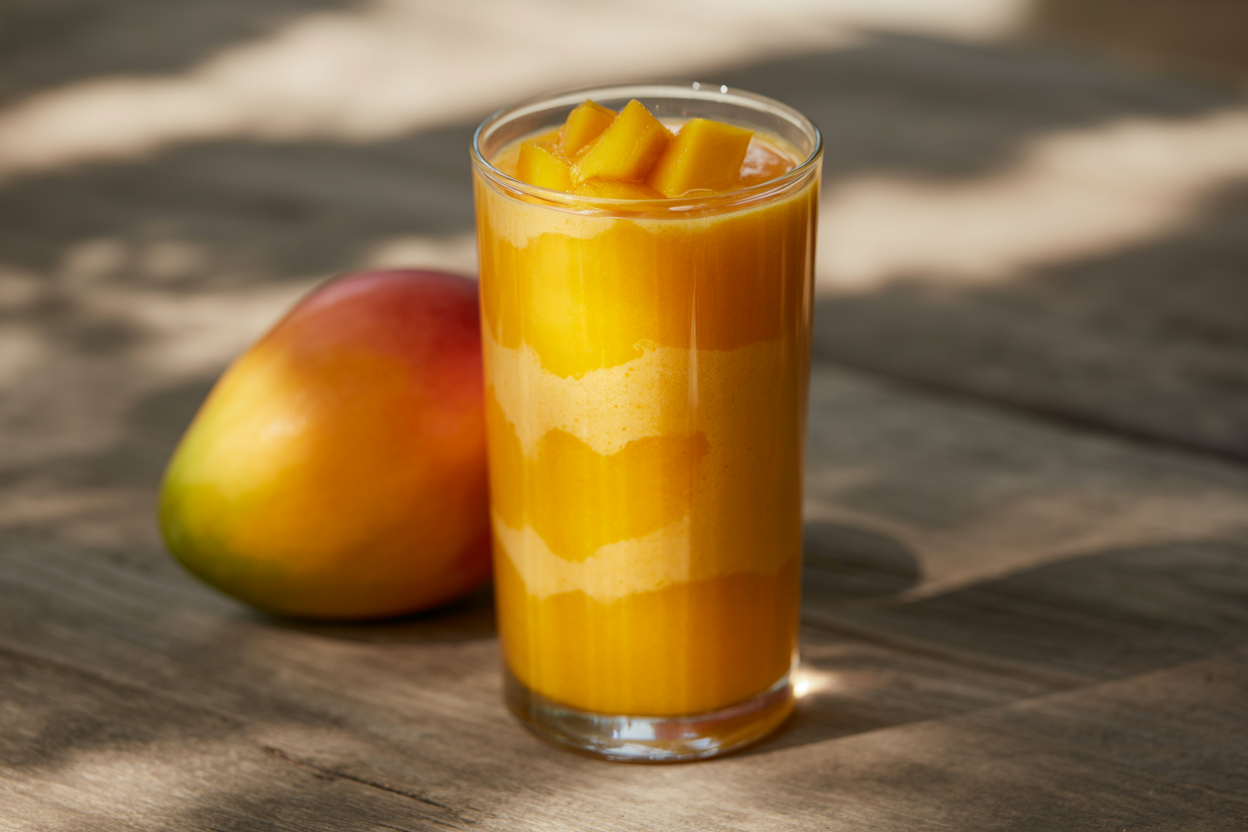
No Yogurt Mango Smoothie
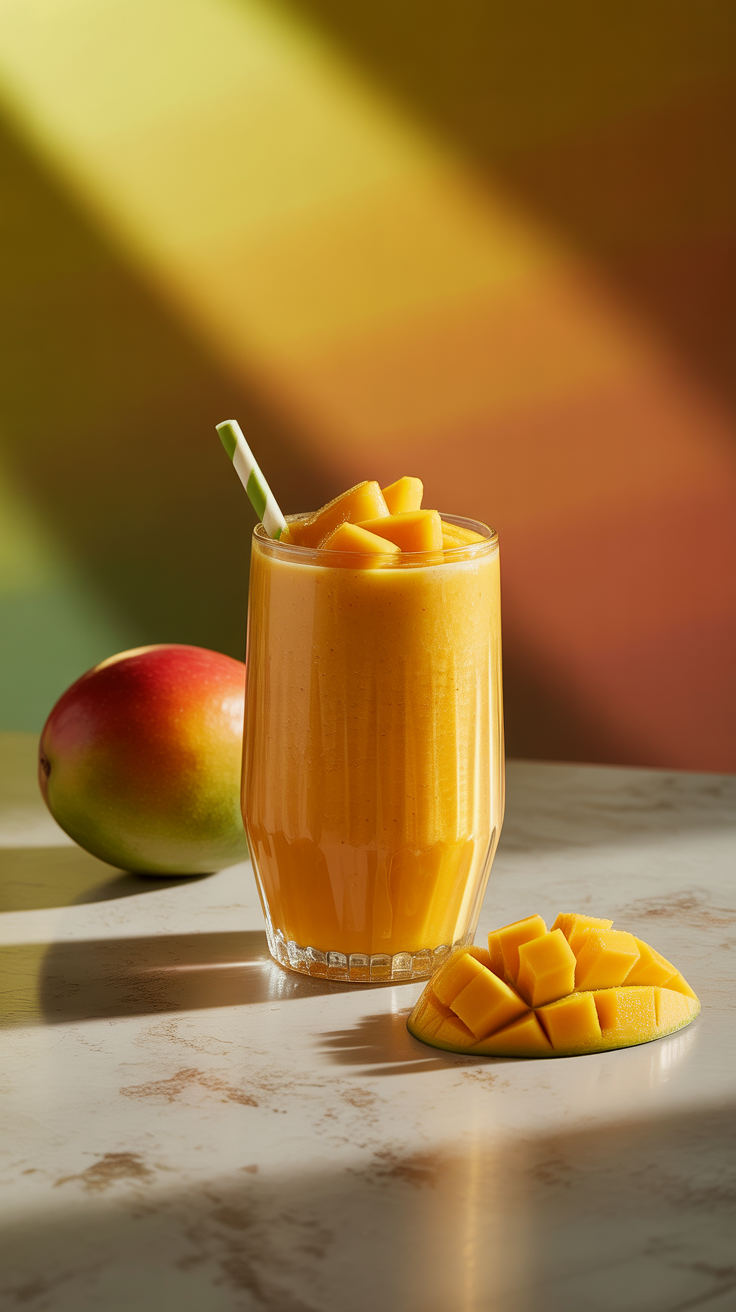
Creamy, sweet, cold, and ridiculously easy—that’s the magic of a no yogurt mango smoothie. If you’ve ever stared into the fridge, realized you’re out of yogurt, and thought, “Well, there goes my smoothie,” good news: it absolutely does not. A mango smoothie without yogurt can still be thick, refreshing, and honestly kind of perfect.
Why Skip the Yogurt?
Sometimes you don’t have yogurt. Sometimes you don’t want the tang. Sometimes dairy and your stomach are not exactly besties. All valid.
A no yogurt mango smoothie keeps the flavor cleaner and lets the mango actually do its thing. Mango is already rich, sweet, and naturally silky, so it doesn’t need much help. It’s basically the overachiever of fruit.
There’s also more flexibility this way. You can make it dairy-free, lighter, sweeter, or more filling depending on what you toss in. No yogurt, no drama.
What Makes It Creamy Without Yogurt?
This is the part people overthink. A smoothie doesn’t need yogurt to be smooth. It just needs the right ingredients.
Frozen mango is the star here. It creates that thick, frosty texture that makes a smoothie feel legit instead of like expensive fruit juice pretending to be breakfast.
Then you bring in one creamy backup player. A banana works great. So does coconut milk, oat milk, almond milk, avocado, or even a spoonful of nut butter if you want something richer. Pick your vibe.
Here’s the basic formula:
- frozen mango
- liquid of choice
- optional creamy ingredient
- sweetener if needed
- ice, only if you want it colder or thicker
That’s it. No secret smoothie sorcery required.
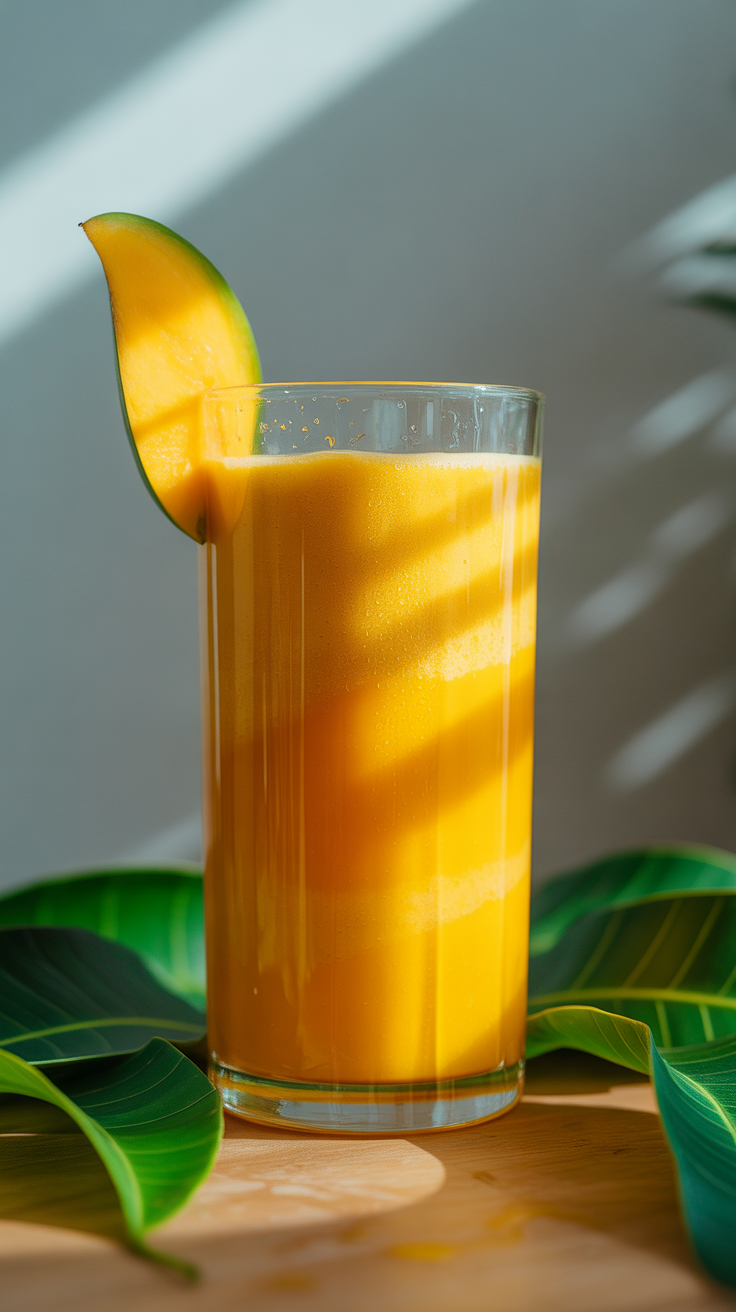
A Simple No Yogurt Mango Smoothie Recipe
If you want an easy starting point, this one rarely disappoints.
Ingredients
- 2 cups frozen mango chunks
- 1 banana
- 3/4 to 1 cup milk of choice
- 1 teaspoon honey or maple syrup, optional
- a few ice cubes, optional
How to Make It
Add everything to a blender. Start with less liquid if you want it thick enough to feel like soft serve’s healthy cousin. Blend until smooth.
If it’s too thick, add a splash more milk. If it’s too thin, toss in more frozen mango or a little ice. That’s the whole process. Very glamorous, I know.
Best Liquids to Use
The liquid matters more than people think. It changes both the flavor and the texture.
Almond milk
Light, mild, and easy. It lets the mango stand out and keeps things dairy-free.
Oat milk
Creamier than almond milk and great if you want a fuller texture. IMO, oat milk makes smoothies feel a little more indulgent without doing too much.
Coconut milk
Excellent with mango because the flavors just make sense together. It gives tropical vacation energy, even if you’re drinking it while answering emails.
Orange juice
This adds brightness and more fruit flavor. It’s less creamy, but super refreshing.
Regular milk
Totally fine if you drink dairy but just don’t want yogurt. It adds creaminess without the tang.
Easy Add-Ins That Actually Work
Once you’ve got the basic smoothie down, you can play around a little.
Spinach blends in surprisingly well. The color may look like a questionable life choice, but the taste stays mild. Mango is good at covering for other ingredients, like that one friend who smooths over awkward conversations.
Chia seeds or flax seeds add fiber and make the smoothie more filling. Peanut butter or almond butter adds richness, though it does shift the flavor away from pure tropical.
Want more brightness? Add lime juice. Want it sweeter? A date or a little honey helps. Want it colder and thicker? More frozen fruit is almost always the answer.
Common Mistakes to Avoid
Using only fresh mango can leave you with a thinner smoothie. It still tastes good, sure, but it won’t have that thick, icy texture most people want. Frozen mango really pulls its weight.
Adding too much liquid too fast is another classic mistake. Start small. You can always add more, but you can’t exactly un-pour almond milk from the blender.
Also, don’t assume you need extra sweetener right away. Mango and banana are already pretty sweet, especially when ripe. Taste first, then decide. Your smoothie does not need to become dessert unless that’s the goal.
How to Make It Fit Your Mood
One of the best things about a no yogurt mango smoothie is how adaptable it is.
Want breakfast? Add oats, chia seeds, or a scoop of protein powder. Now it’s got staying power.
Want a lighter afternoon drink? Keep it simple with mango, milk, and ice. Clean, fruity, done.
Want dessert in a glass without fully admitting that’s what you’re doing? Use coconut milk and a little vanilla. FYI, this is also excellent with a sprinkle of cinnamon.
FAQ
Can I make a mango smoothie without banana and yogurt?
Yes, absolutely. Use frozen mango plus a creamy liquid like oat milk or coconut milk. You can also add avocado for thickness without changing the flavor too much.
What is the best milk for a no yogurt mango smoothie?
It depends on what you like. Oat milk gives a creamy texture, coconut milk adds a tropical flavor, and almond milk keeps things lighter. There’s no wrong answer unless you choose something you hate, which would be a bold move.
How do I thicken a smoothie without yogurt?
Use frozen mango, banana, avocado, oats, or ice. The easiest fix is usually more frozen fruit. Less liquid at the start also helps a lot.
Is a no yogurt mango smoothie still healthy?
Usually, yes. Mango offers vitamins and fiber, and you control the ingredients. If you go easy on added sugar and use a balanced mix, it can be a solid snack or breakfast.
Can I prepare it ahead of time?
You can, but smoothies are best fresh. If you need to prep ahead, store it in the fridge for up to a day and shake or stir before drinking. The texture may change a bit, but it’ll still be good.
Conclusion
A no yogurt mango smoothie is proof that simple can still be excellent. You don’t need yogurt to get a creamy, satisfying drink—you just need frozen mango and a little common sense. Blend it, tweak it, enjoy it, and maybe stop giving up on smoothies just because one ingredient is missing.