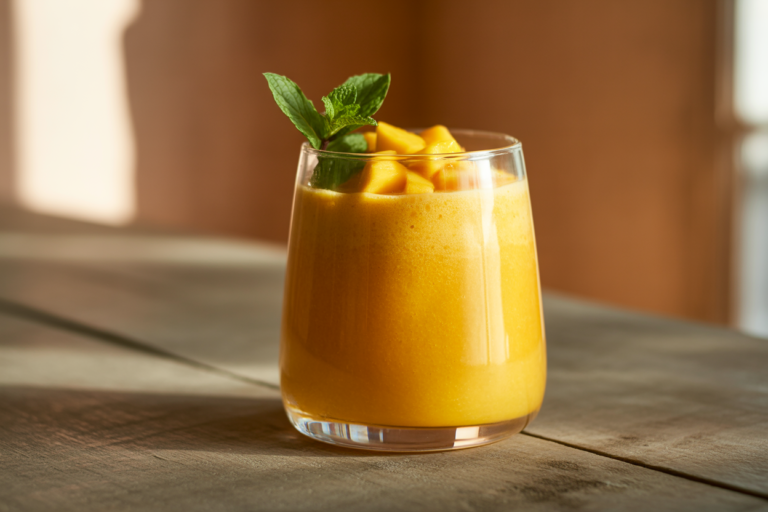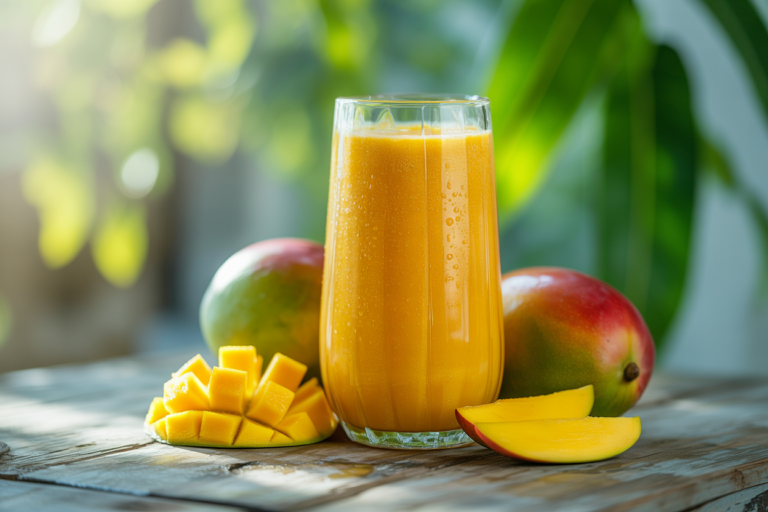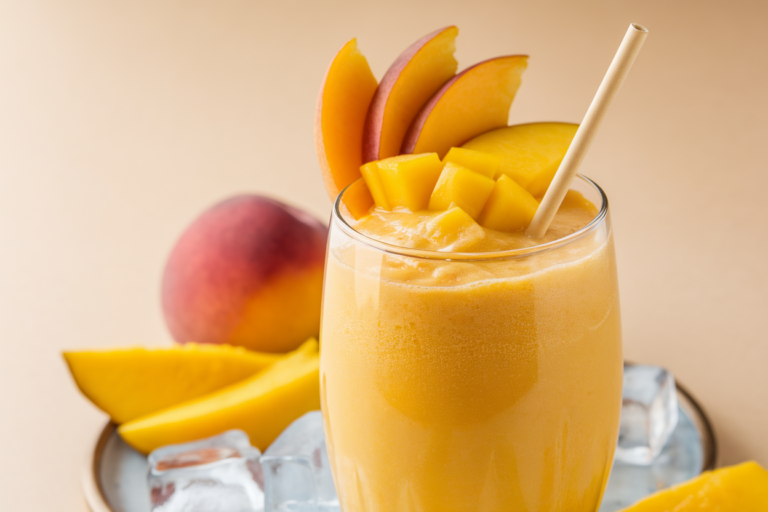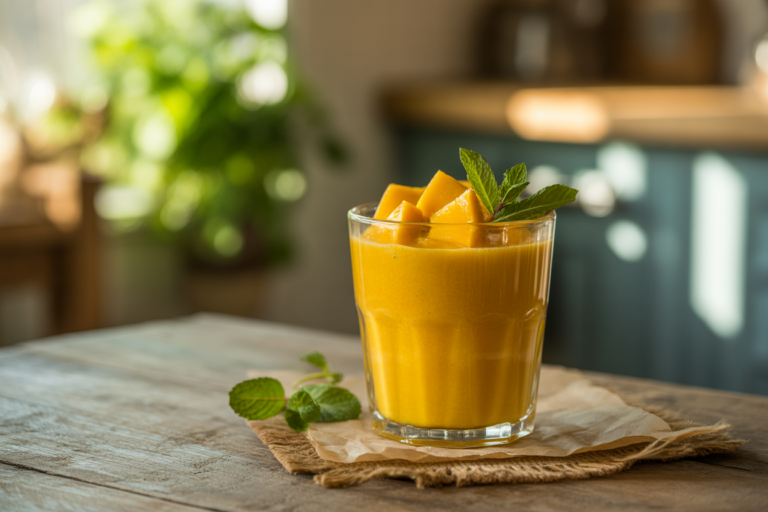
Mango Smoothie with Frozen Fruit
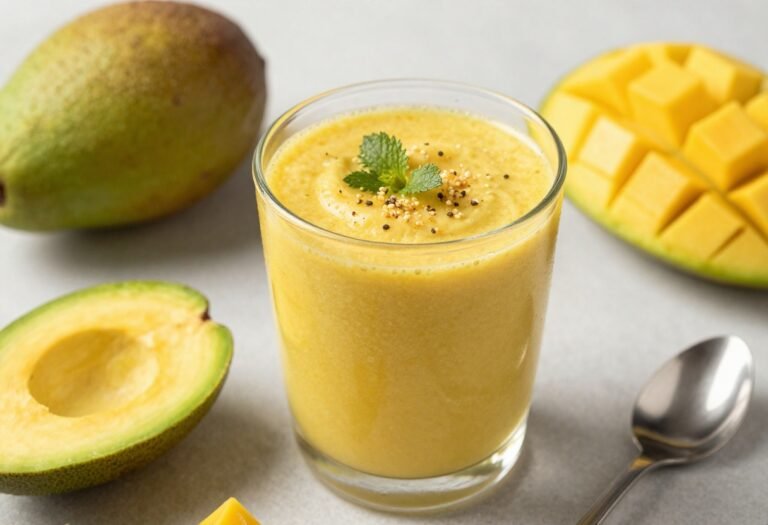
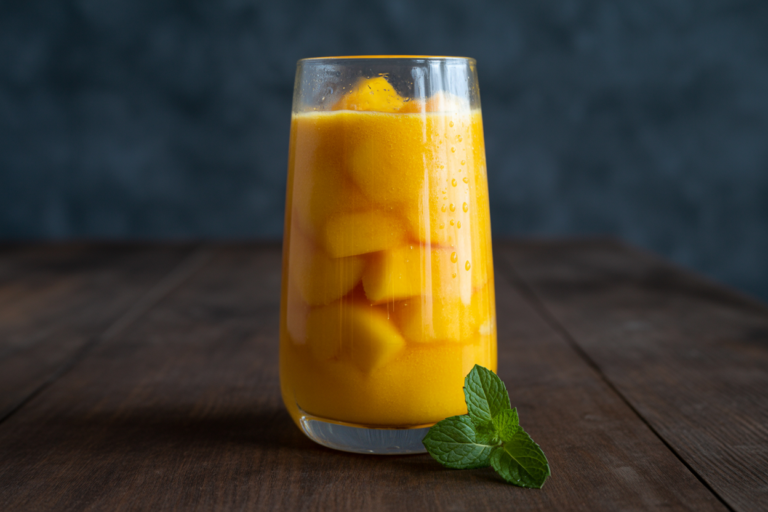
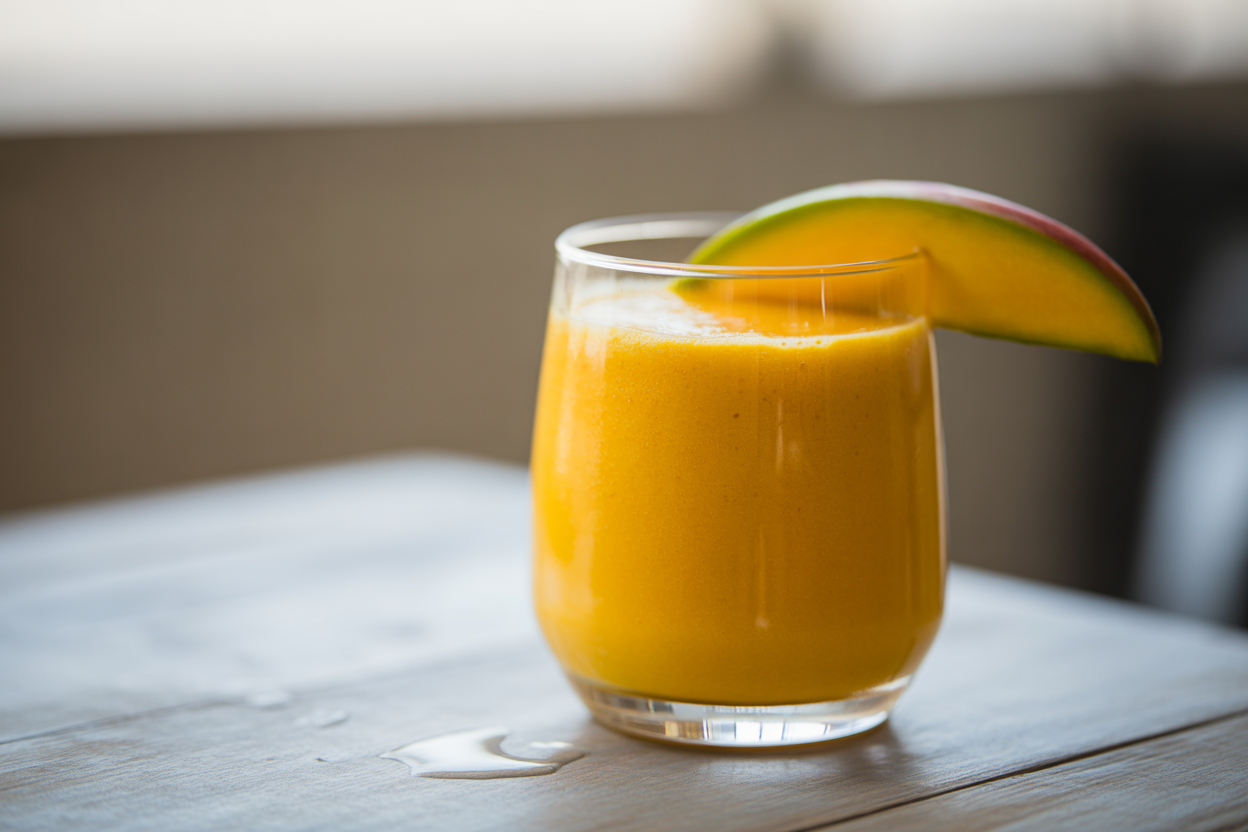
Some drinks try way too hard. A mango smoothie with frozen fruit is not one of them. It’s cold, creamy, sweet, and ridiculously easy to make—basically the kind of recipe that makes you feel like you’ve got your life together, even if your kitchen says otherwise.
If you’ve got a bag of frozen mango and a blender, you’re already halfway there. The best part? You don’t need ice, fancy powders, or a five-step routine before coffee. Just real fruit, a few simple add-ins, and two minutes of blending.
Why frozen fruit makes the best mango smoothie
Fresh mango is great when it’s perfectly ripe. But let’s be honest: that’s a tiny window between “rock-hard” and “mysteriously mushy.” Frozen fruit skips that drama completely.
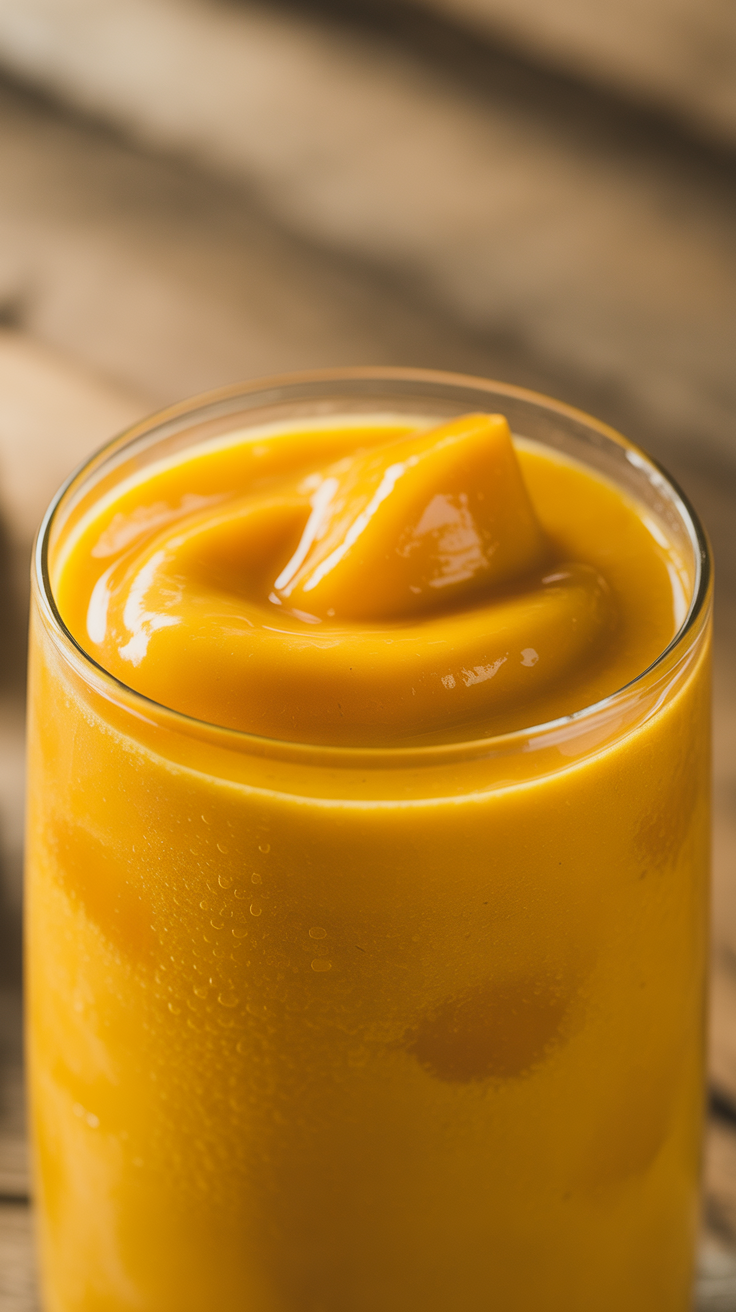
Frozen mango gives your smoothie that thick, milkshake-like texture without watering it down. Ice can make smoothies cold, sure, but it also turns them bland fast. Frozen fruit keeps the flavor bold and the texture creamy, which is exactly what you want.
It’s also convenient. You can keep a bag in the freezer for weeks and make a smoothie whenever the mood hits. No peeling, no guessing, no sticky mango hands. Honestly, that alone is a selling point.
The basic formula that always works
A good mango smoothie doesn’t need a long ingredient list. You just need balance: fruit for flavor, liquid to blend, and something creamy if you want that extra smooth texture.
Here’s a simple combo that works every time:
Core ingredients
- 2 cups frozen mango chunks
- 1/2 to 3/4 cup milk of choice
- 1/2 cup yogurt, optional but recommended
- 1 teaspoon honey or maple syrup, optional
- A squeeze of lime juice, optional but excellent
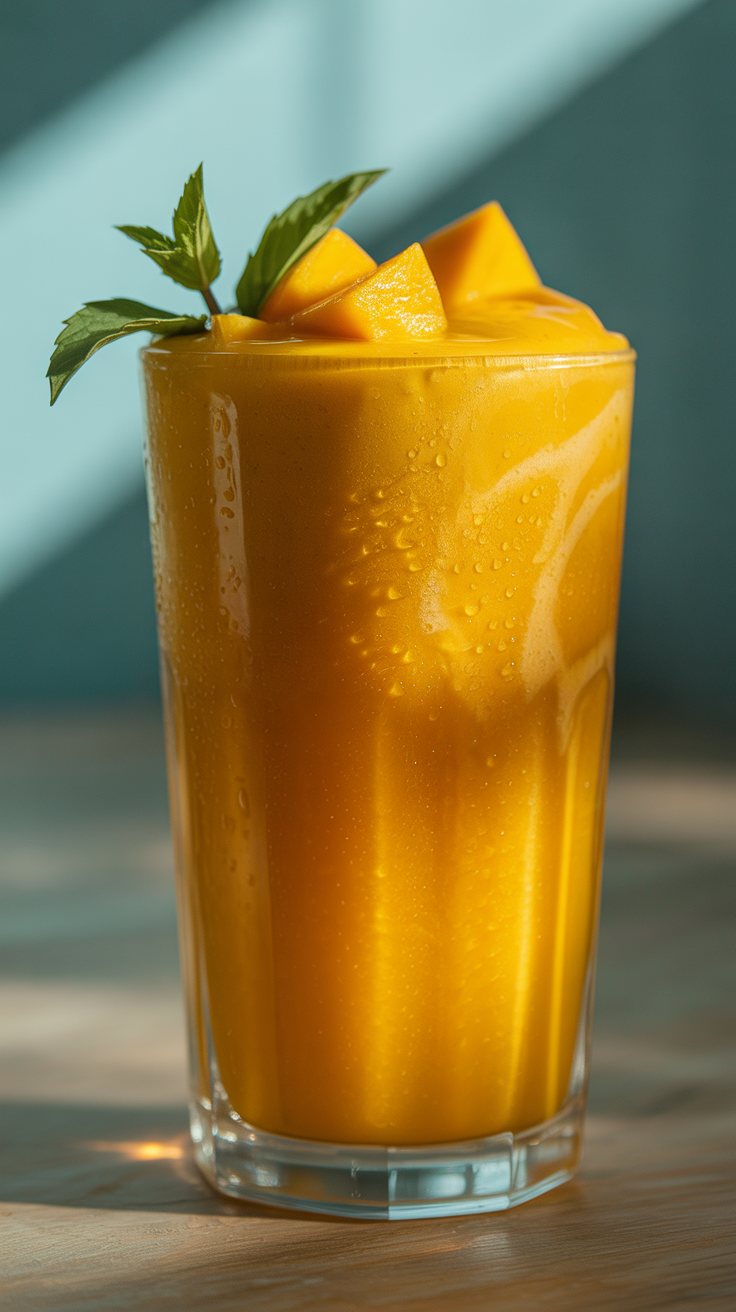
That’s it. Blend until smooth, and adjust the liquid depending on how thick you like it. Want to eat it with a spoon and pretend it’s a wellness bowl? Use less liquid. Want to sip it through a straw without a struggle? Add a splash more.
Picking the right liquid
The liquid you use changes the vibe more than people think. Dairy milk makes it classic and creamy. Almond milk keeps it lighter. Coconut milk adds a tropical flavor that makes the whole thing taste a little extra—in a good way.
Orange juice is another solid option if you want a brighter, fruitier smoothie. It pairs really well with mango, but it can make the drink a bit thinner. IMO, a mix of milk and a little juice gives you the best of both worlds.
If you’re using yogurt, especially Greek yogurt, you can get away with a little less liquid. Yogurt thickens everything up fast, which is great unless your blender starts sounding personally offended.
Easy add-ins that actually improve it
Mango is the star, but a few extras can make your smoothie more interesting without hijacking the flavor.
Banana
This is probably the most common add-in, and for good reason. It makes the smoothie sweeter and creamier. Just know that banana has a strong personality, so if you add too much, your mango smoothie becomes a banana smoothie in disguise.
Pineapple
If you want a tropical flavor bomb, add frozen pineapple. It gives the smoothie a tangy edge that works beautifully with mango. Vacation in a glass? A little cheesy, yes, but also accurate.
Greek yogurt
This is the move if you want more protein and a richer texture. It makes the smoothie feel more filling, which helps if you’re drinking it as breakfast and not just avoiding actual cooking.
Chia seeds or flax
These are handy if you want some fiber and a bit more staying power. They won’t change the flavor much, but they do make the smoothie slightly thicker. FYI, let it sit for a minute if you add chia—they swell up fast.
Lime juice
A small squeeze wakes everything up. Mango is naturally sweet, so a little acidity keeps the smoothie from tasting flat. It’s one of those tiny upgrades that makes a noticeable difference.
How to make it thick, smooth, and not weird
Texture matters. Nobody wants a mango smoothie that’s somehow both icy and gloopy. Yes, that can happen, and no, it’s not fun.
Start with less liquid than you think you need. You can always add more, but once a smoothie turns soupy, there’s no going back unless you sacrifice more frozen fruit to the blender gods.
Blend in stages if your blender is weaker. Pulse first, then blend fully once the fruit starts breaking down. If needed, stop and scrape the sides. It’s mildly annoying, but still easier than dealing with a chunky smoothie.
If the smoothie tastes dull, don’t automatically add more sweetener. Try a pinch of salt or a splash of lime first. Weirdly enough, that often fixes it faster.
A few favorite flavor combos
Once you’ve nailed the basic version, it’s easy to riff on it.
Mango coconut smoothie
Use coconut milk, frozen mango, and a little yogurt. Add lime juice if you want it brighter. This one tastes like it should come with a beach chair.
Mango berry smoothie
Add a handful of frozen strawberries or raspberries. The berries bring some tartness and make the color a little less yellow, if that matters to you.
Mango green smoothie
Toss in a handful of spinach. You’ll barely taste it, and the mango covers it well. It turns the smoothie a slightly suspicious color, but it still tastes great, so we move on.
FAQ
Can I make a mango smoothie without yogurt?
Absolutely. Yogurt adds creaminess, but it’s not required. Use milk, a splash of coconut cream, or even half a banana if you want that smooth texture.
Do I need to thaw frozen mango first?
Nope. In fact, don’t. Frozen mango is what gives the smoothie its thick, frosty texture, so blending it straight from the freezer is the whole point.
What sweetener works best?
Honey, maple syrup, or agave all work well. But taste the smoothie first—mango is often sweet enough on its own, especially if you’re using ripe frozen fruit.
Can I make it dairy-free?
Yes, very easily. Use almond milk, oat milk, or coconut milk, and skip the yogurt or use a dairy-free version.
How do I make it more filling?
Add Greek yogurt, protein powder, chia seeds, or oats. That turns it from a snack into something that can actually hold you over for a while.
Conclusion
A mango smoothie with frozen fruit is one of those recipes that delivers way more than the effort it asks for. It’s easy, flexible, and consistently delicious, which is rare enough to deserve appreciation. Keep frozen mango in your freezer, play around with a few add-ins, and you’ve always got a cold, creamy win waiting for you.