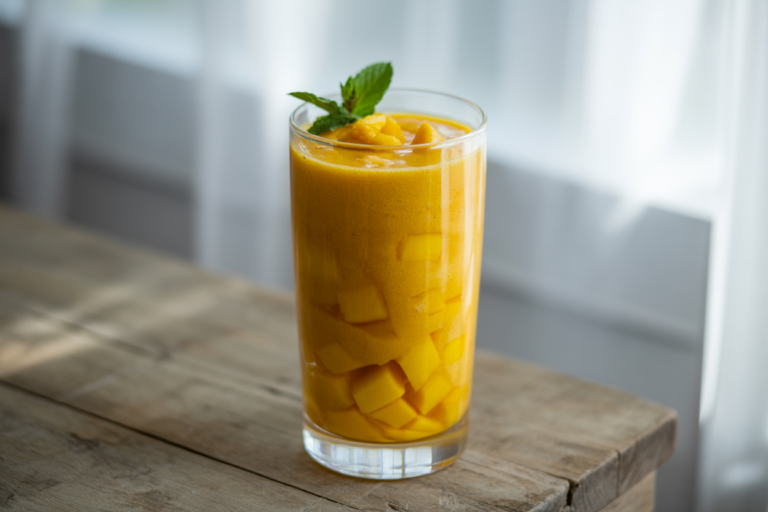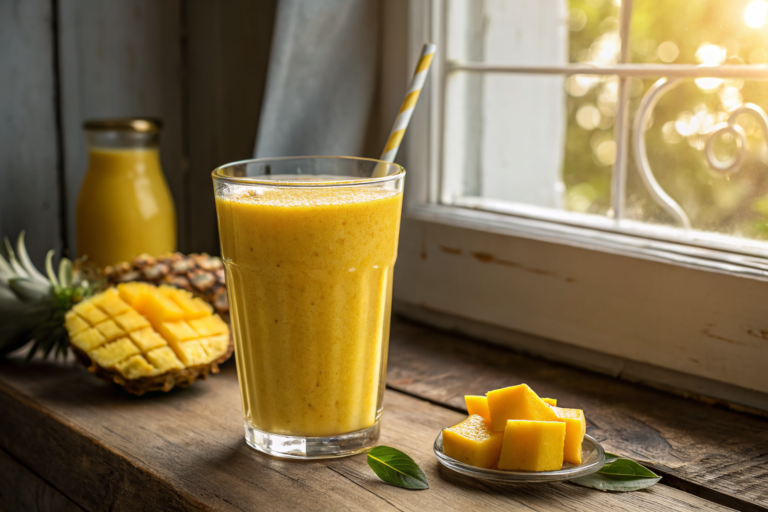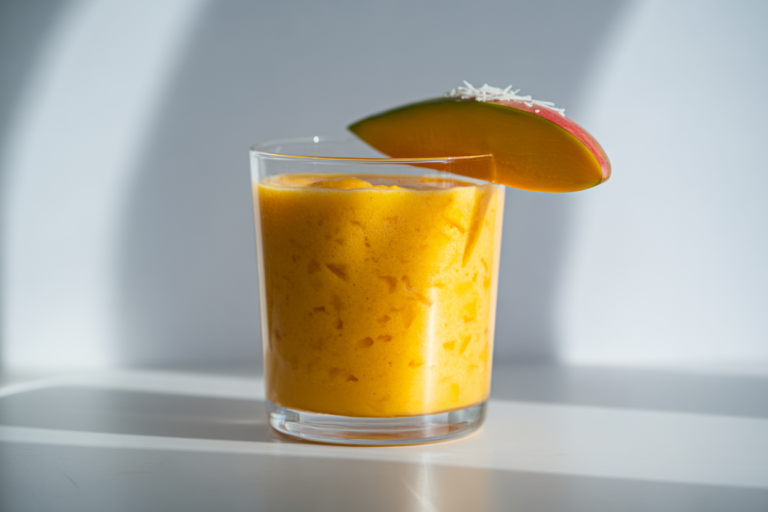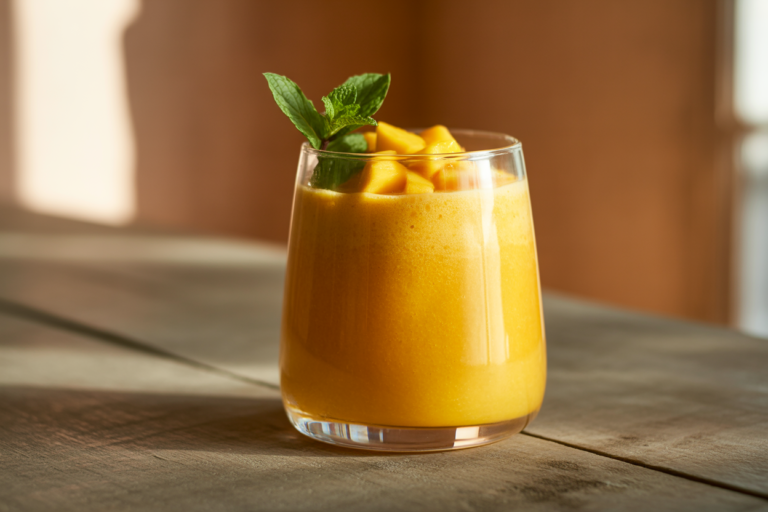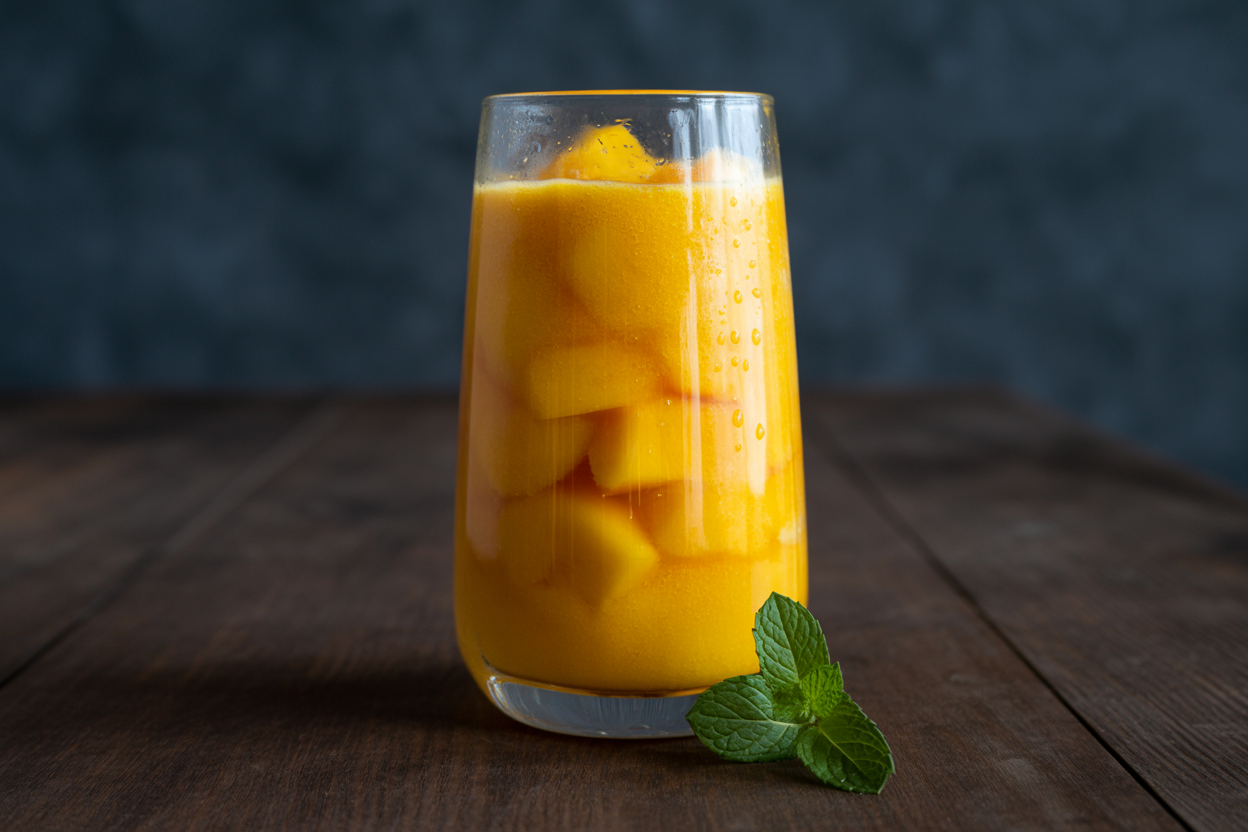
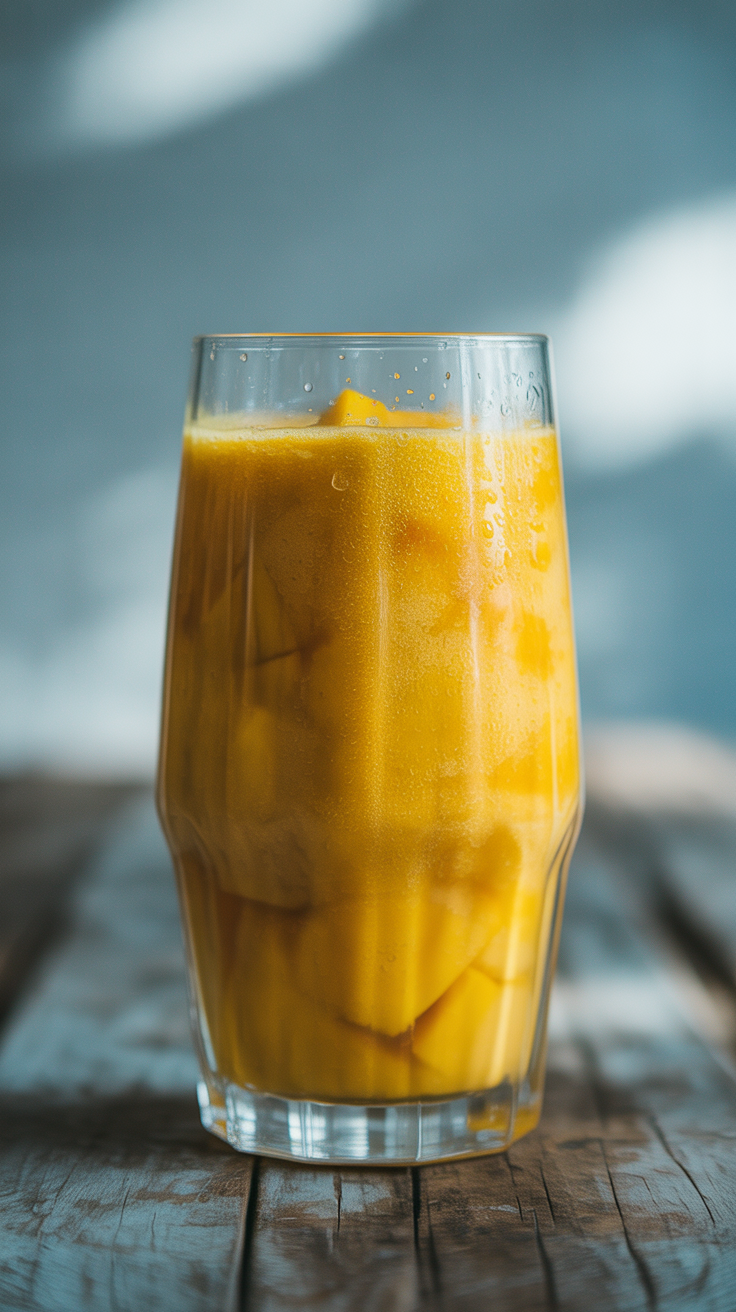
Tropical Mango Smoothie
One sip of a tropical mango smoothie and suddenly your kitchen feels a lot less like a kitchen and a lot more like a beach bar with better hygiene. It’s cold, creamy, bright, and ridiculously easy to love. If you’ve got mango, a blender, and about five minutes, you’re already halfway to vacation mode. Honestly, this drink does a lot for something you can make while still half-awake.
Why mango works so well in a smoothie
Mango is basically the overachiever of smoothie fruit. It brings natural sweetness, a silky texture, and that sunny tropical flavor that makes everything taste more exciting. You don’t need to fight with it or bury it under a pile of sweeteners either.
It also blends beautifully. Some fruits get icy or grainy and act like they’ve never met a blender before. Mango? Mango shows up ready to cooperate.
Fresh mango is great, but frozen mango is the real MVP here. It makes the smoothie thick and cold without needing a ton of ice, which usually waters things down and ruins the vibe.
What goes into a tropical mango smoothie
The beauty of this smoothie is that it’s simple, but it still tastes like you made an effort. Love that for us.
A classic tropical mango smoothie usually includes:
- Mango, preferably frozen
- Banana for extra creaminess
- Pineapple for that punchy tropical kick
- Coconut milk, orange juice, or regular milk for the liquid
- Yogurt if you want it richer
- Ice, if your fruit isn’t frozen
That’s the basic formula, but there’s room to play. A squeeze of lime wakes everything up. A little honey or maple syrup can help if your fruit isn’t super sweet. And if you like things extra tropical, a splash of coconut cream makes it taste borderline dessert-level.
The secret to getting the texture right
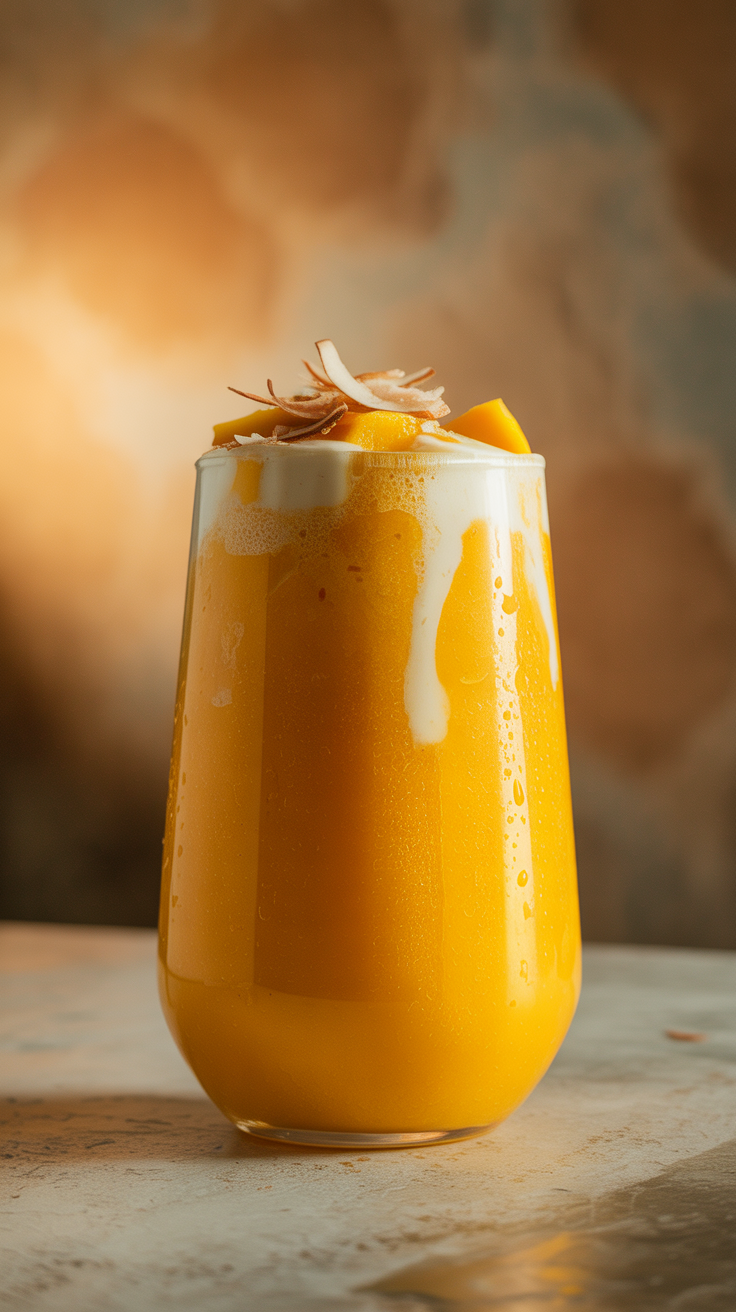
A good smoothie should feel thick enough to be satisfying, but not so thick that your straw gives up halfway through. This is where people go wrong. They toss in random amounts of liquid, hit blend, and hope for the best. Bold strategy.
Start with less liquid than you think you need. You can always add more, but once your smoothie turns into mango juice, there’s no going back. About 1 cup of liquid for 2 to 3 cups of fruit is usually a solid place to start.
Also, blend in stages if your blender is a little dramatic. Liquid first, then soft ingredients, then frozen fruit. It helps everything move around more easily and saves you from that awkward stop-start-scrape-repeat routine.
A go-to recipe that never disappoints
Here’s a simple version that works every time:
Tropical Mango Smoothie Recipe
Ingredients:
- 2 cups frozen mango chunks
- 1 ripe banana
- 1/2 cup frozen pineapple
- 3/4 to 1 cup coconut milk
- 1/4 cup plain or vanilla yogurt
- 1 teaspoon lime juice
- Optional: 1 to 2 teaspoons honey
Instructions:
- Add the coconut milk to the blender first.
- Toss in the banana, yogurt, lime juice, and honey if using.
- Add the frozen mango and pineapple.
- Blend until smooth and creamy.
- Add a splash more liquid if needed, then blend again.
- Pour into a glass and drink immediately, preferably while pretending you have no emails.
This makes one large smoothie or two smaller servings.
Easy ways to customize it
Once you’ve got the base down, you can tweak it depending on your mood, what’s in the fridge, or how ambitious you feel.
Want more protein? Add Greek yogurt, protein powder, or even a spoonful of almond butter. The flavor stays mellow, and the smoothie becomes a lot more filling.
Want it lighter and brighter? Use orange juice instead of coconut milk. It gives the whole thing more zing and less creaminess, which can be really refreshing.
Want greens without making it taste like lawn clippings? Add a handful of spinach. Mango does a great job covering the flavor, so FYI, this is one of the easiest green smoothie upgrades out there.
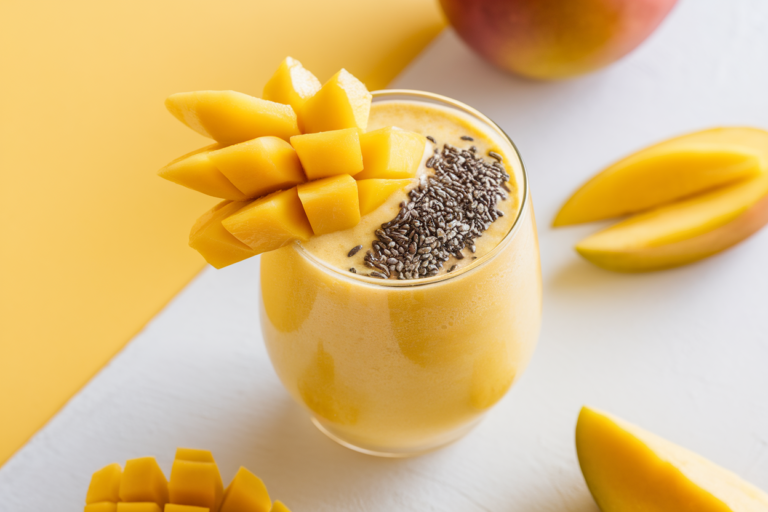
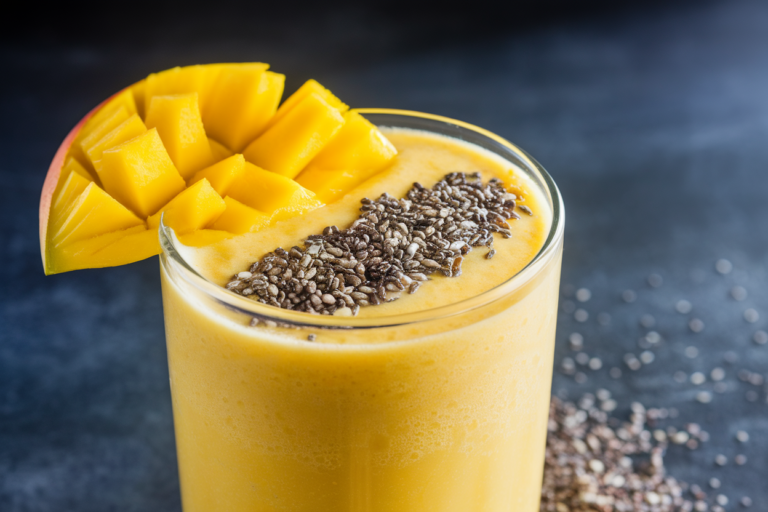
If you like a little texture, top it with toasted coconut, chia seeds, or granola. Suddenly your basic smoothie has smoothie bowl energy.
When to drink it
This smoothie fits into pretty much any part of the day. Breakfast? Absolutely. Afternoon slump? Perfect. Post-workout? Also solid, especially if you add protein.
It’s especially great in hot weather when actual cooking sounds offensive. Sometimes you just want something cold, quick, and cheerful. This smoothie gets it.
I also think it works surprisingly well as a light dessert. Make it a little thicker, pour it into a nice glass, and act like you planned that level of elegance.
Common mistakes to avoid
One big mistake is using unripe fresh mango. If it’s bland, stringy, or weirdly sour, your smoothie will suffer. Good fruit matters.
Another issue is adding too much ice. Ice is not a personality trait. A little is fine, but too much dulls the flavor and gives you that sad, watery finish.
And don’t overcomplicate it. You do not need twelve ingredients and a supplement stack that looks like a science fair project. IMO, the best tropical mango smoothie tastes fresh, fruity, and uncomplicated.
FAQ
Can I make a tropical mango smoothie without banana?
Absolutely. If you don’t like banana, use more mango, some avocado, or extra yogurt for creaminess. The smoothie will still be thick and delicious.
Is frozen mango better than fresh mango?
For smoothies, usually yes. Frozen mango gives you that thick, chilled texture without needing much ice. Fresh mango works too, but you may want to add frozen pineapple or a few ice cubes.
What liquid is best for a tropical mango smoothie?
It depends on what you like. Coconut milk gives it a rich tropical flavor, orange juice makes it brighter, and dairy or oat milk keeps it creamy and mild.
Can I prep this smoothie ahead of time?
You can prep the ingredients ahead by portioning the fruit into freezer bags. Blended smoothies are best fresh, but you can refrigerate one for several hours if needed. Just shake or stir before drinking.
How can I make it healthier?
Skip extra sweetener if your fruit is ripe, and add Greek yogurt, spinach, or chia seeds for extra nutrition. It’s already a pretty solid option when made with whole ingredients.
Conclusion
A tropical mango smoothie is one of those rare recipes that feels both easy and a little bit special. It’s fast, flexible, and tastes like you put in way more effort than you actually did. And really, if a blender can deliver tropical vacation energy in under five minutes, why argue with that?